How has the church influenced communities and culture throughout Mallorca's history?
- Mallorca church history
- Serra de tramuntana
- Palma cathedral
- Island community life
- Festa de l’ametler
- Sant sebastia festival
- Church social role
- Mallorca parish aid
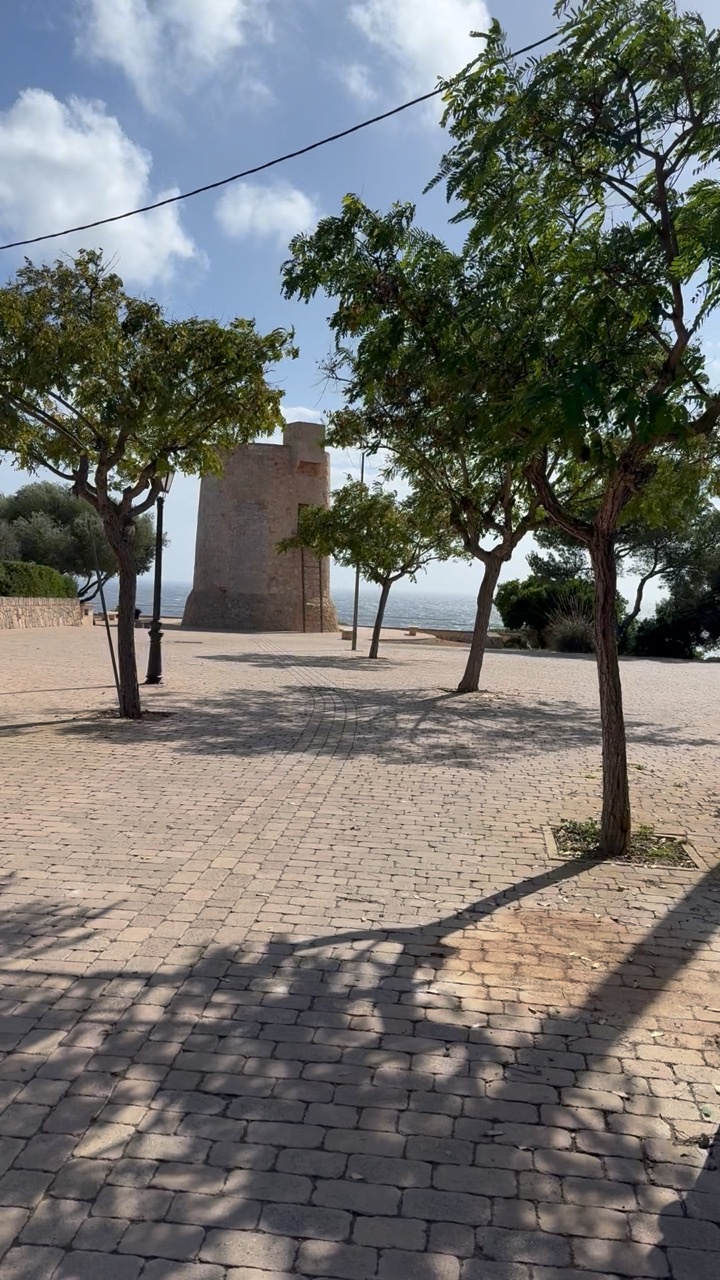
Churches have long been at the heart of island life, shaping both the spiritual and social fabric of communities from Palma to smaller mountain villages like Valldemossa and Deia. Many settlements grew around their parish churches, which served not only as places of worship but as venues for gatherings during local fiestas, such as the Sant Sebastià celebrations in Palma or the Festa de l’Ametler in the countryside. These religious sites anchored communal identity, hosting baptisms, weddings, and funerals that marked the rhythms of family life for generations.
In more rural parts, churches often played a key role in education, occasionally supporting literacy and instruction when formal schools were scarce. Their influence extended into acts of charity, where parishes provided aid to those in need, echoing through events like food collections and support for the elderly in towns such as Alcúdia and Pollença. Faith and social welfare were intertwined, fostering close-knit communities where the church promoted values of solidarity and care.
Architecturally, churches from the Gothic grandeur of Palma Cathedral to the humble chapels dotting the Serra de Tramuntana stand as visual testimonies of the island’s faith heritage. These landmarks punctuate the landscape, their bell towers often visible from miles away, reinforcing a sense of continuity amid changing times. Exploring Mallorca’s towns and villages reveals how these sacred buildings remain silent storytellers of cultural evolution, reflecting a history where religion shaped everyday life and community bonds alike.