How do the coastal cliffs around Mallorca change throughout the year and with different weather conditions?
- Mallorca cliffs
- Tramuntana coast
- Seasonal changes cliffs
- Cala figuera cliffs
- Sa calobra trails
- Formentor cliffs
- Coastal erosion mallorca
- Mallorca cliff photography
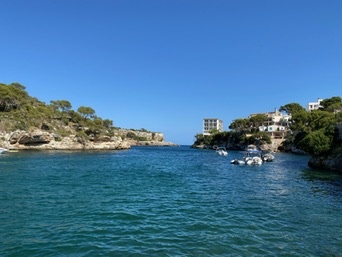
The dramatic cliffs along Mallorca’s coastline undergo noticeable changes with the seasons and shifts in weather. In spring, patches of wild rosemary and thyme bloom along the rocky edges of places like the Serra de Tramuntana, adding bursts of green and purple to the rugged landscape. This season often brings clearer skies and milder temperatures, perfect for watching the turquoise waters touch the base of cliffs near Cala Figuera or Formentor. Occasional showers give the vegetation a fresh, lush appearance, and small streams may trickle down the faces of the cliffs after rain.
Summer’s heat bathes the cliffs in golden light, intensifying the contrast between the pale limestone and the deep blue sea. Hikers on trails around Sa Calobra or the Ma-10 road experience both the beauty and the warm Mediterranean sun, with the sea breeze offering welcome relief. Sudden summer thunderstorms can reshape the cliffs subtly—erosion and rock falls are more common during these storms, especially when strong winds sweep around Punta de n’Amer. The salt spray drifts higher in rough weather, leaving a fine white layer on nearby vegetation.
In autumn, a quieter atmosphere descends, and the cliffs are often softened by morning mist, particularly near Valldemossa and Deia. The cooler air and changing light cast a striking glow on the rocks, making it a favored time for photographers and walkers alike. Winter storms bring a raw intensity to the coast, with powerful Atlantic waves smashing against cliffs at Cap de Formentor or Cala Sant Vicenç. These dramatic scenes highlight nature’s force and often wash the cliffs clean, though frost is a rarity. Each season reveals a different side of the island’s coastal cliffs, inviting visitors to explore continually renewed vistas.