What is the history behind the Almudaina Palace?
Similar Topics
Almudaina Palace
Mallorca history
Palma attractions
Islamic architecture
Gothic style
royal residence
tourist attractions Mallorca
cultural influences
historic monuments
Mediterranean heritage
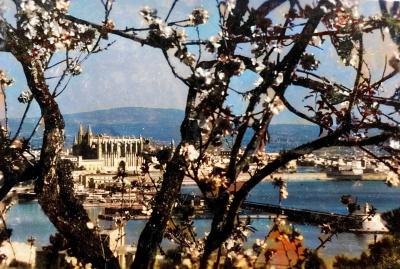
The Almudaina Palace, located in the heart of Palma, Mallorca, has a rich history that reflects the island's diverse cultural influences over the centuries. Originally built as a Muslim fortress in the 10th century during the Islamic rule of Mallorca, the palace served as a strategic military stronghold. Its name, derived from the Arabic word "al-mudayna," means "the citadel," highlighting its initial purpose. The structure was designed to withstand sieges and protect the inhabitants from potential invaders, showcasing the architectural prowess of the time with its robust walls and commanding position overlooking the sea.
After the Christian conquest of Mallorca in 1229, led by King James I of Aragon, the palace underwent significant renovations to adapt it for royal use. It became a symbol of power and authority, transitioning from a military fortification to a royal residence. The Gothic-style alterations introduced during the 14th and 15th centuries added elegance to the already formidable structure, incorporating ornate details that reflect the prevalent architectural trends of the period. Over the years, the palace has also served as a venue for various important events, including royal ceremonies and official gatherings, further solidifying its status in the island's history.
Today, the Almudaina Palace is not only a significant historical monument but also a popular tourist attraction that offers visitors a glimpse into Mallorca's past. Inside, you can explore intricately decorated rooms, including the grand hall and the royal chapel, which showcase a blend of Moorish and Gothic architectural elements. The surrounding gardens also provide a serene environment, perfect for strolling while taking in the stunning views of the city and the Mediterranean Sea. Visiting the palace allows travelers to appreciate the island's rich heritage and the layers of history that have shaped its identity over the centuries.

More Fotos