How has climate change impacted the vegetation on the island?
- Climate change
- Vegetation impact
- Native plants
- Invasive species
- Ecosystem balance
- Biodiversity loss
- Coastal vegetation
- Restoration efforts
- Nature walks
- Conservation efforts
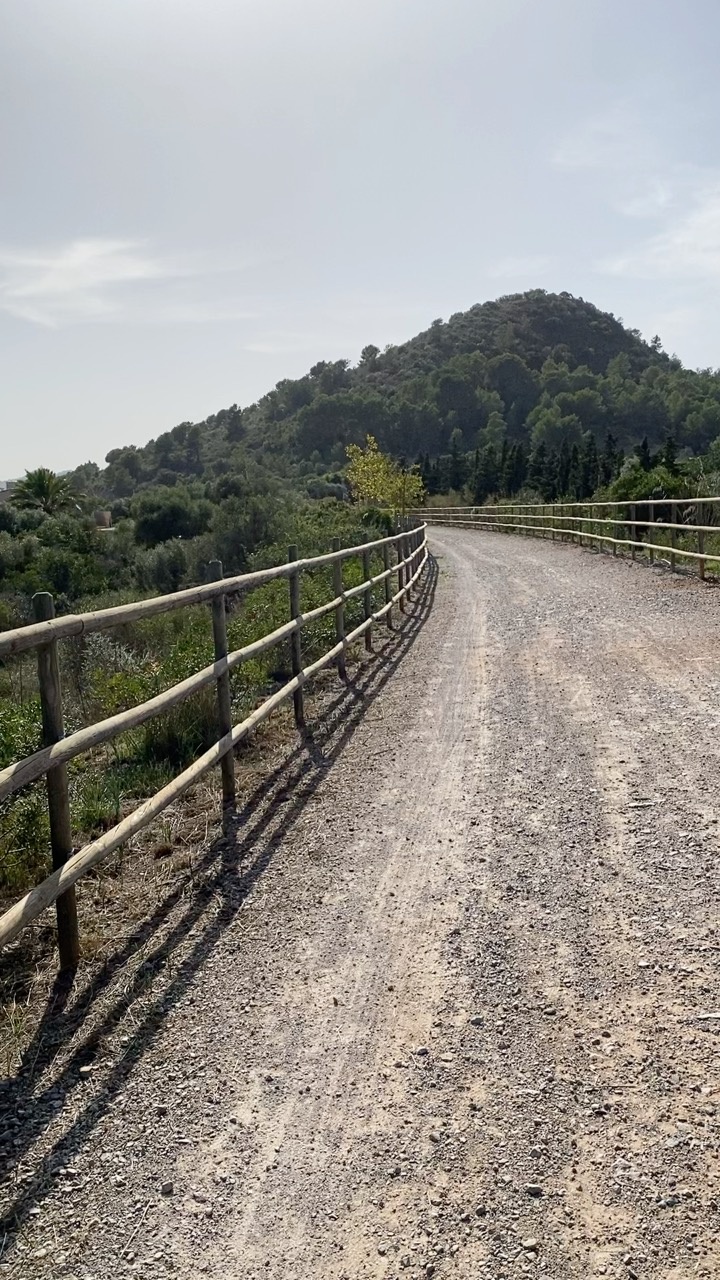
Climate change has had a profound impact on the vegetation of the island, altering its natural ecosystems in various ways. Rising temperatures and shifting precipitation patterns have led to changes in plant distribution and species composition. For instance, some native plants that thrive in specific temperature ranges are struggling to survive as the climate warms, while invasive species may find more favorable conditions, allowing them to spread and outcompete the native flora. This can disrupt the delicate balance of the island's ecosystems, affecting not only the plants but also the wildlife that depends on them for food and habitat.
Additionally, increased frequency and intensity of storms and droughts, attributed to climate change, have made the island's vegetation more vulnerable. These extreme weather events can devastate plant communities, leading to soil erosion and loss of biodiversity. Coastal vegetation, such as mangroves and salt marshes, plays a crucial role in protecting the island from storm surges and flooding, but as sea levels rise, these areas are increasingly threatened. Restoration efforts are underway in many parts of the island to help bolster these critical ecosystems, but the long-term effects of climate change continue to pose significant challenges.
Visitors to the island can observe these changes firsthand, whether it's through guided nature walks or by exploring the diverse landscapes that showcase both the resilience and vulnerability of local flora. Engaging with local conservation efforts can also provide insight into the ongoing work being done to protect and restore the island’s unique vegetation. By understanding the impact of climate change on the island's natural beauty, travelers can appreciate the importance of preserving these ecosystems for future generations.