What specific crops were introduced during the Arab rule in Mallorca?
Similar Topics
Mallorca agriculture
Arab rule Mallorca
crops introduced Mallorca
citrus fruits Mallorca
irrigation techniques Mallorca
almonds Mallorca
sugarcane Mallorca
rice cultivation Mallorca
Mallorca culinary traditions
Mediterranean climate Mallorca
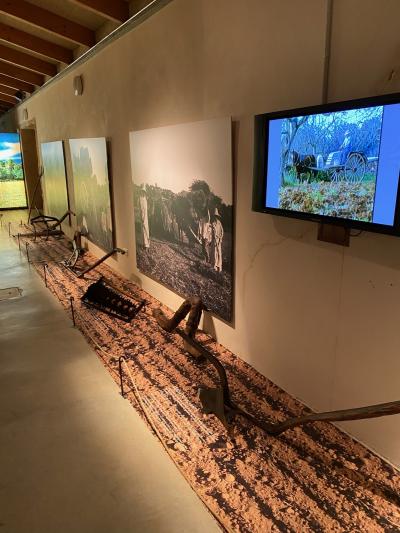
During the Arab rule in Mallorca, which lasted from the 10th to the 13th centuries, the island experienced significant agricultural advancements that transformed its landscape and economy. The Moors introduced a variety of crops that were previously unknown to the region, significantly enriching the agricultural diversity of Mallorca. Among the most notable were citrus fruits like oranges and lemons, which thrive in the island's Mediterranean climate and have since become emblematic of Mallorca's agricultural identity. The cultivation of these fruits not only provided a new source of nutrition but also established trade routes that enhanced the island's economic ties with other regions.
In addition to citrus fruits, the Arabs brought with them advanced irrigation techniques, which allowed for the efficient cultivation of crops such as rice, sugarcane, and various vegetables. This innovation in irrigation enabled the transformation of arid land into fertile fields, enhancing the productivity of the island's agriculture. Almonds also became a significant crop during this period, contributing to the island's culinary traditions that continue to this day. The influence of Arab agricultural practices laid the groundwork for Mallorca's rich farming heritage, which remains a vital part of its culture and economy.
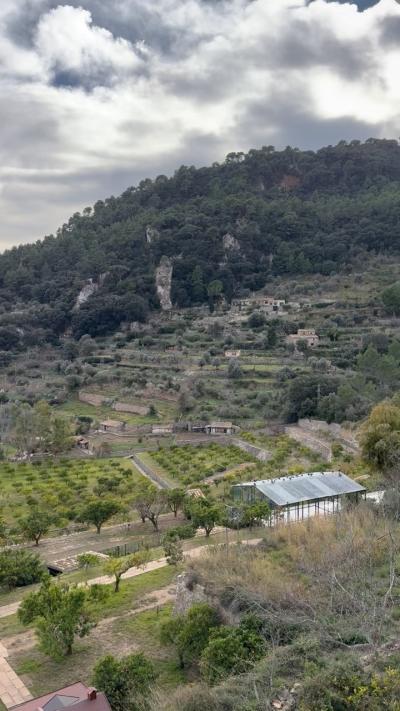
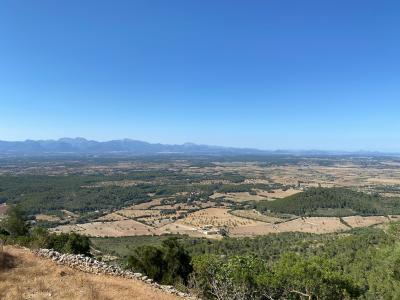
As you explore the island, you'll find that the legacy of this agricultural history is evident in the lush groves, vibrant markets, and delicious cuisine that highlight the fusion of cultures that has shaped Mallorca over the centuries. Whether you’re enjoying a fresh orange juice or indulging in an almond pastry, you’re tasting the fruits of an era that forever changed the island’s agricultural landscape.
In addition to citrus fruits, the Arabs brought with them advanced irrigation techniques, which allowed for the efficient cultivation of crops such as rice, sugarcane, and various vegetables. This innovation in irrigation enabled the transformation of arid land into fertile fields, enhancing the productivity of the island's agriculture. Almonds also became a significant crop during this period, contributing to the island's culinary traditions that continue to this day. The influence of Arab agricultural practices laid the groundwork for Mallorca's rich farming heritage, which remains a vital part of its culture and economy.
As you explore the island, you'll find that the legacy of this agricultural history is evident in the lush groves, vibrant markets, and delicious cuisine that highlight the fusion of cultures that has shaped Mallorca over the centuries. Whether you’re enjoying a fresh orange juice or indulging in an almond pastry, you’re tasting the fruits of an era that forever changed the island’s agricultural landscape.
More Fotos