How did these agricultural developments compare to those in other regions of Spain?
Similar Topics
agricultural developments
Andalusia olive groves
Catalonia agriculture
Galicia dairy farming
sustainable farming practices
Spanish regional agriculture
Mediterranean climate crops
traditional farming methods
diverse crop production
Spanish culinary experiences
Agricultural developments in various regions of Spain have showcased a fascinating diversity, influenced by local climates, topographies, and historical practices. In the south, for instance, the Andalusian region has long been known for its olive groves and vineyards, benefiting from a warm Mediterranean climate that allows for the cultivation of hardy crops. The emphasis on traditional practices, such as the production of high-quality olive oil, has preserved unique agricultural methods that are deeply rooted in the region's culture. This contrasts with the northeastern region of Catalonia, where the focus has shifted more towards modern agricultural techniques and diverse crop production, including fruits and vegetables that thrive in its varied climate.
In comparison, the northern regions, like Galicia, have developed distinct agricultural practices that align with their temperate, wetter climate. Here, the emphasis is on dairy farming and the cultivation of crops such as potatoes and corn, which thrive in the moist conditions. The integration of sustainable farming practices has been a hallmark of Galician agriculture, showcasing a commitment to preserving the land while maximizing productivity. This stands in stark contrast to the arid conditions found in parts of Castilla-La Mancha, where the cultivation of saffron and wine grapes has adapted to the drier environment, leading to unique agricultural identities.
Overall, the diversity of agricultural development across Spain reflects not just the environmental conditions but also the rich cultural histories that influence farming practices in each region. Whether it’s the traditional methods in Andalusia or the innovative approaches in Catalonia, each area contributes to the broader tapestry of Spain's agricultural landscape, making it a fascinating aspect for travelers to explore. The regional culinary experiences that arise from these agricultural practices further enrich the travel experience, inviting visitors to savor the unique flavors that each area has to offer.
In comparison, the northern regions, like Galicia, have developed distinct agricultural practices that align with their temperate, wetter climate. Here, the emphasis is on dairy farming and the cultivation of crops such as potatoes and corn, which thrive in the moist conditions. The integration of sustainable farming practices has been a hallmark of Galician agriculture, showcasing a commitment to preserving the land while maximizing productivity. This stands in stark contrast to the arid conditions found in parts of Castilla-La Mancha, where the cultivation of saffron and wine grapes has adapted to the drier environment, leading to unique agricultural identities.
Overall, the diversity of agricultural development across Spain reflects not just the environmental conditions but also the rich cultural histories that influence farming practices in each region. Whether it’s the traditional methods in Andalusia or the innovative approaches in Catalonia, each area contributes to the broader tapestry of Spain's agricultural landscape, making it a fascinating aspect for travelers to explore. The regional culinary experiences that arise from these agricultural practices further enrich the travel experience, inviting visitors to savor the unique flavors that each area has to offer.
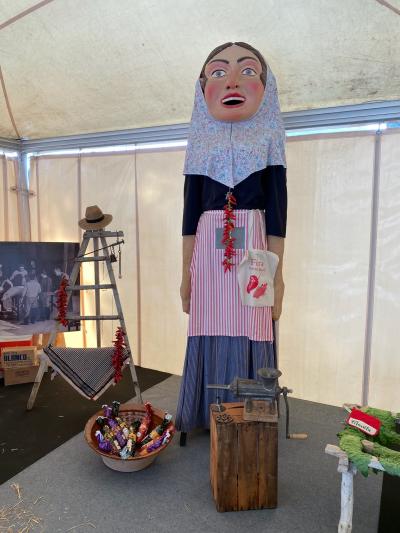
Felanitx
More Fotos