What role did the Almudaina play during the Moorish occupation of Mallorca?
Similar Topics
Almudaina
Moorish occupation Mallorca
Royal Palace Mallorca
Palma harbor
Islamic architecture
Mallorca history
Christian conquest Mallorca
cultural heritage
tourist attractions Mallorca
Mediterranean Sea
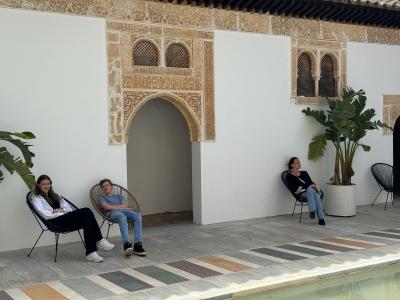
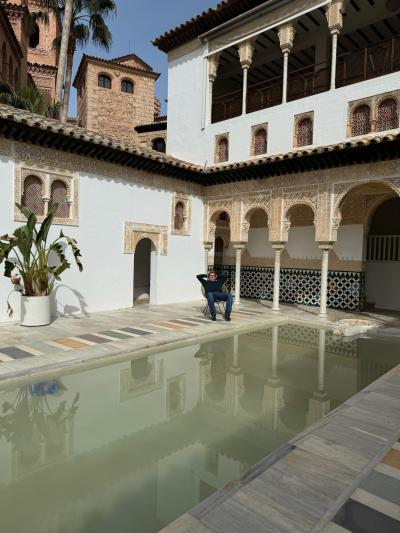
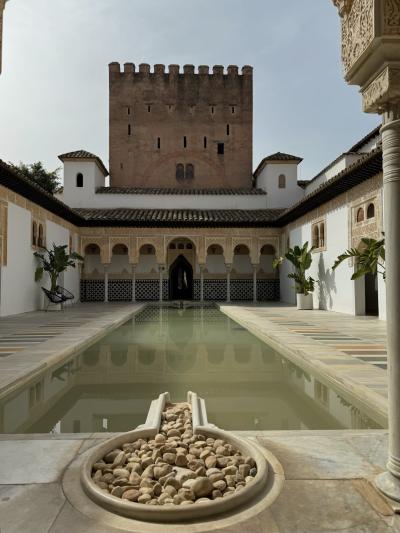
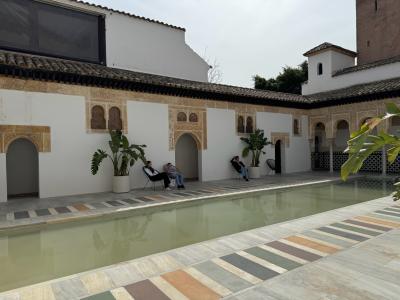
The Almudaina, or the Royal Palace of La Almudaina, played a significant role during the Moorish occupation of Mallorca, which began in the early 10th century. Originally constructed as a fortress, it served as a pivotal military stronghold and a residence for Muslim rulers. The strategic location of the Almudaina, overlooking the Mediterranean Sea and the harbor of Palma, allowed it to control trade routes and provide defense against potential invaders. Its architecture reflects the Islamic style of the period, featuring intricate arches, decorative tile work, and expansive courtyards that connected the palace to the surrounding landscape.
As the seat of power for the Moorish emirate, the Almudaina was more than just a military fortress; it was also a center of culture and administration. The palace served as a hub for governance, where local leaders managed the affairs of the island, facilitated trade, and upheld the laws of the land. The Almudaina's grand halls and gardens were often the backdrop for social gatherings and important events, showcasing the wealth and influence of its occupants.
With the eventual Christian conquest of Mallorca in 1229, the Almudaina underwent significant transformations. It was repurposed as a royal palace for the Christian kings, but remnants of its Moorish past still remain. Today, visitors can explore the site and appreciate its dual heritage. The blend of Islamic and Gothic architectural styles offers a fascinating glimpse into Mallorca's rich history, making the Almudaina a must-see destination for those interested in the island's cultural evolution.
As the seat of power for the Moorish emirate, the Almudaina was more than just a military fortress; it was also a center of culture and administration. The palace served as a hub for governance, where local leaders managed the affairs of the island, facilitated trade, and upheld the laws of the land. The Almudaina's grand halls and gardens were often the backdrop for social gatherings and important events, showcasing the wealth and influence of its occupants.
With the eventual Christian conquest of Mallorca in 1229, the Almudaina underwent significant transformations. It was repurposed as a royal palace for the Christian kings, but remnants of its Moorish past still remain. Today, visitors can explore the site and appreciate its dual heritage. The blend of Islamic and Gothic architectural styles offers a fascinating glimpse into Mallorca's rich history, making the Almudaina a must-see destination for those interested in the island's cultural evolution.

More Fotos