What ancient civilizations inhabited the area around Biniaraix?
Similar Topics
Biniaraix
Mallorca history
Talayotic culture
Roman influence
Moorish architecture
Tramuntana mountains
ancient civilizations
agriculture in Mallorca
citrus fruits
traditional architecture
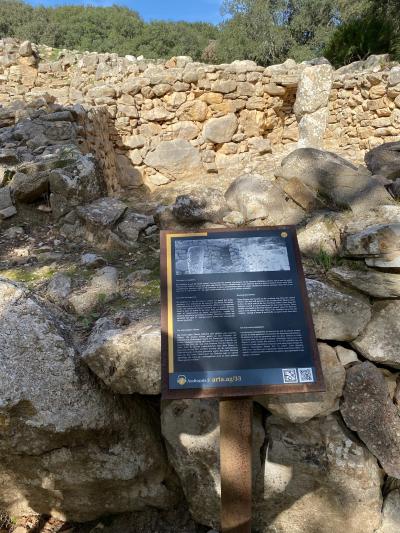
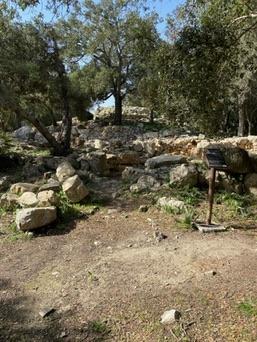
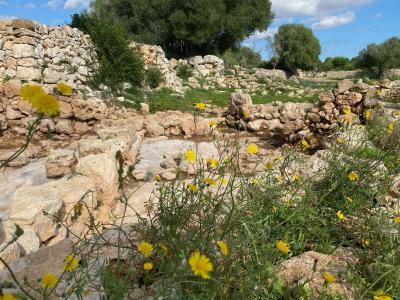
Biniaraix, a picturesque village nestled in the Tramuntana mountains of Mallorca, is steeped in rich history that reflects the influence of various ancient civilizations. The area has been inhabited since prehistoric times, with evidence of Talayotic culture, which thrived during the Bronze Age. This culture is characterized by the construction of megalithic structures, and you can find remnants of their settlements scattered throughout the region, showcasing their advanced agricultural practices and communal living.
Following the Talayotic period, the Romans arrived in Mallorca around 123 BC. They recognized the strategic importance of the island, establishing settlements that laid the groundwork for agriculture and trade. The Romans introduced new farming techniques and crops, which would shape the local economy. While Biniaraix itself may not have been a major Roman settlement, the influence of their architecture, infrastructure, and agricultural methods can still be felt in the surrounding areas today.
In the centuries that followed, the Moors took control of Mallorca, bringing with them advanced irrigation techniques that transformed the landscape. The terraced fields and water channels that characterize Biniaraix and its surroundings are a testament to this Moorish influence, as they improved agricultural productivity and introduced new crops such as citrus fruits. The blending of these cultures has left a lasting impact on the village, evident in its narrow stone streets and traditional architecture, which reflect a harmonious coexistence of different historical influences. Exploring Biniaraix offers a unique opportunity to appreciate this rich tapestry of heritage that continues to shape the identity of the region.
Following the Talayotic period, the Romans arrived in Mallorca around 123 BC. They recognized the strategic importance of the island, establishing settlements that laid the groundwork for agriculture and trade. The Romans introduced new farming techniques and crops, which would shape the local economy. While Biniaraix itself may not have been a major Roman settlement, the influence of their architecture, infrastructure, and agricultural methods can still be felt in the surrounding areas today.
In the centuries that followed, the Moors took control of Mallorca, bringing with them advanced irrigation techniques that transformed the landscape. The terraced fields and water channels that characterize Biniaraix and its surroundings are a testament to this Moorish influence, as they improved agricultural productivity and introduced new crops such as citrus fruits. The blending of these cultures has left a lasting impact on the village, evident in its narrow stone streets and traditional architecture, which reflect a harmonious coexistence of different historical influences. Exploring Biniaraix offers a unique opportunity to appreciate this rich tapestry of heritage that continues to shape the identity of the region.
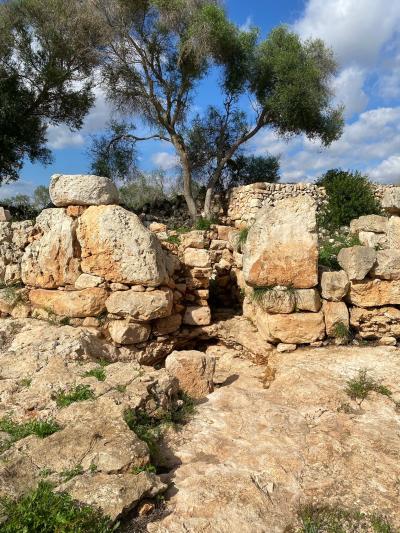
Capocorb Vell
More Fotos