What other ancient civilizations influenced Mallorca’s history?
Similar Topics
Mallorca history
Talayotic culture
Phoenicians Mallorca
Carthaginians influence
Roman conquest Mallorca
Moorish architecture
Palma historic district
ancient civilizations Mallorca
Mallorca culture
Balearic Islands
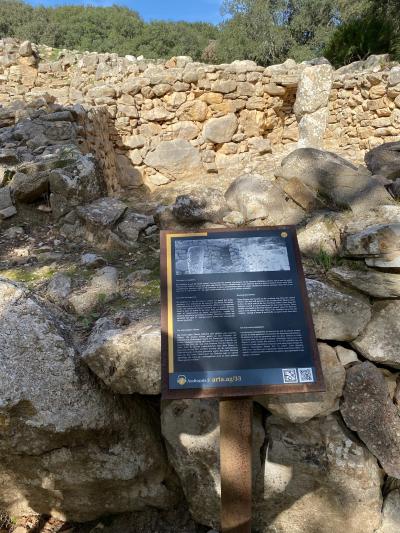
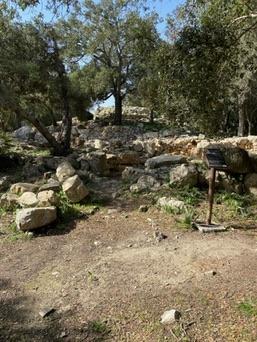
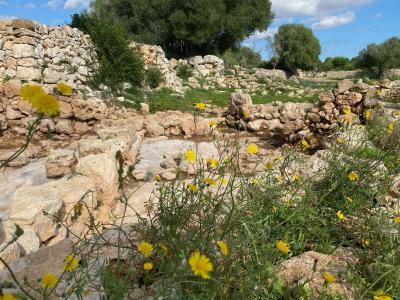
Mallorca, the largest of the Balearic Islands, has a rich tapestry of history woven from the influences of various ancient civilizations. The earliest evidence of human settlement dates back to the prehistoric Talayotic culture, known for its megalithic structures like the famous Talaiots. These stone monuments, built between 1000 and 300 BC, reflect the island's early inhabitants' architectural ingenuity and social organization. The Phoenicians arrived around the 8th century BC, establishing trade routes and introducing new agricultural practices, which laid the groundwork for Mallorca's economy. Their influence is evident in the remnants of ancient ports and settlements, particularly in the area of present-day Palma.
Following the Phoenicians, the Carthaginians took control of Mallorca in the 3rd century BC, further integrating the island into their vast trading empire. They fortified settlements and developed agriculture, which significantly contributed to the island's growth. The Roman conquest in 123 BC brought about a transformative era; Mallorca became part of the Roman Empire, leading to the establishment of towns, roads, and infrastructure that facilitated trade and communication. The ruins of Roman villas and amphitheaters can still be seen today, offering a glimpse into the island's integration into the wider Mediterranean world.
As we move through history, the Moors invaded Mallorca in the 8th century AD, leaving a profound cultural impact that is still felt today. They introduced advanced agricultural techniques, irrigation systems, and a rich artistic and architectural heritage, evident in the stunning architecture of Palma's historic district. The island remained under Muslim rule for nearly 300 years, and this period significantly influenced local customs, language, and cuisine. The eventual Christian reconquest in the 13th century redefined Mallorca once again, but the layers of influence from these ancient civilizations create a unique blend that visitors can appreciate through the island's historical sites, local traditions, and vibrant culture.
Following the Phoenicians, the Carthaginians took control of Mallorca in the 3rd century BC, further integrating the island into their vast trading empire. They fortified settlements and developed agriculture, which significantly contributed to the island's growth. The Roman conquest in 123 BC brought about a transformative era; Mallorca became part of the Roman Empire, leading to the establishment of towns, roads, and infrastructure that facilitated trade and communication. The ruins of Roman villas and amphitheaters can still be seen today, offering a glimpse into the island's integration into the wider Mediterranean world.
As we move through history, the Moors invaded Mallorca in the 8th century AD, leaving a profound cultural impact that is still felt today. They introduced advanced agricultural techniques, irrigation systems, and a rich artistic and architectural heritage, evident in the stunning architecture of Palma's historic district. The island remained under Muslim rule for nearly 300 years, and this period significantly influenced local customs, language, and cuisine. The eventual Christian reconquest in the 13th century redefined Mallorca once again, but the layers of influence from these ancient civilizations create a unique blend that visitors can appreciate through the island's historical sites, local traditions, and vibrant culture.
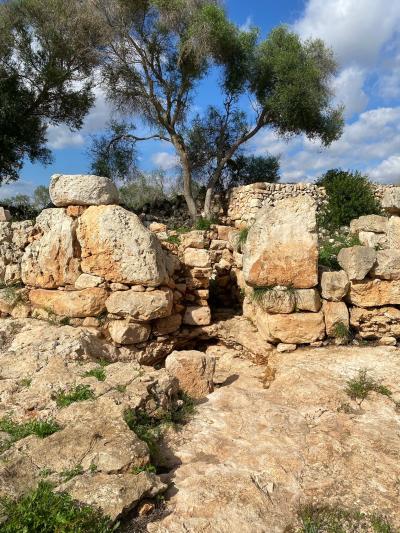
Capocorb Vell
More Fotos