What impact did Arab agricultural innovations have on Mallorca’s landscape?
Similar Topics
Mallorca agriculture
Arab agricultural innovations
irrigation techniques
qanats
citrus fruits
almonds
olive oil production
terraced fields
rural community
Mallorca landscape
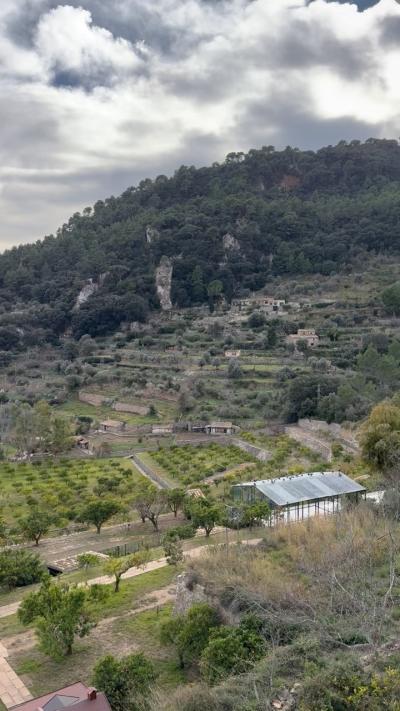
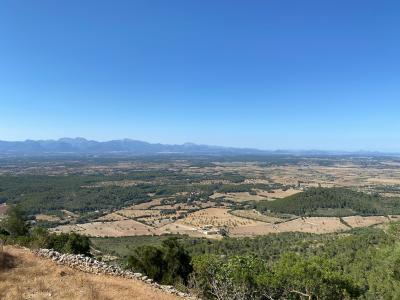
Arab agricultural innovations had a profound and lasting impact on Mallorca’s landscape, shaping both its agricultural practices and the overall aesthetic of the island. When the Moors arrived in the 10th century, they introduced advanced irrigation techniques, including the use of qanats—underground aqueducts that transported water from higher elevations to fertile fields. This innovation allowed for more efficient water management, transforming arid areas into lush, productive farmland. The terraced fields that emerged as a result of these techniques not only maximized available arable land but also created a visually stunning patchwork of green across the mountainous regions of the island.
The Moors also brought with them a variety of new crops and agricultural practices that diversified the island's agricultural output. They introduced citrus fruits, such as oranges and lemons, along with almonds, which became a staple of the island’s economy and cuisine. The cultivation of these crops changed the landscape, resulting in the creation of vibrant orchards and groves that are still a defining feature of Mallorca today. Additionally, the introduction of olive trees significantly shaped the agricultural landscape and contributed to the island’s famous olive oil production.
Beyond just agriculture, the Arab influence extended to the overall organization of rural life in Mallorca. They established a system of small, self-sustaining farms that were often centered around a communal water source, creating a sense of community and contributing to the island's rural charm. This blend of agricultural innovation and community organization not only transformed the physical landscape but also laid the groundwork for the island's enduring agricultural identity. As you explore Mallorca today, you can still see the remnants of these innovations in the terraced hills, lush groves, and the rich agricultural heritage that continues to thrive on the island.
The Moors also brought with them a variety of new crops and agricultural practices that diversified the island's agricultural output. They introduced citrus fruits, such as oranges and lemons, along with almonds, which became a staple of the island’s economy and cuisine. The cultivation of these crops changed the landscape, resulting in the creation of vibrant orchards and groves that are still a defining feature of Mallorca today. Additionally, the introduction of olive trees significantly shaped the agricultural landscape and contributed to the island’s famous olive oil production.
Beyond just agriculture, the Arab influence extended to the overall organization of rural life in Mallorca. They established a system of small, self-sustaining farms that were often centered around a communal water source, creating a sense of community and contributing to the island's rural charm. This blend of agricultural innovation and community organization not only transformed the physical landscape but also laid the groundwork for the island's enduring agricultural identity. As you explore Mallorca today, you can still see the remnants of these innovations in the terraced hills, lush groves, and the rich agricultural heritage that continues to thrive on the island.
More Fotos