How did the Arab agricultural techniques change the landscape of Mallorca?
Similar Topics
Arab agricultural techniques
Mallorca landscape
irrigation systems
terrace farming
Mallorca agriculture
Moorish influence
Tramuntana mountains
local produce
Mallorcan countryside
gastronomic identity
The influence of Arab agricultural techniques on the landscape of Mallorca is both profound and enduring. When the Moors arrived in Mallorca in the 10th century, they brought with them sophisticated farming practices that revolutionized the island's agriculture. One of the most significant changes was the introduction of irrigation systems, which allowed for the cultivation of crops in areas that had previously been too arid for farming. These intricate networks of channels and waterwheels not only enhanced the efficiency of water usage but also transformed the island's arid terrain into lush, fertile land, paving the way for a diverse array of crops such as olives, almonds, and citrus fruits.
Additionally, the Arabs implemented terrace farming, which further modified the landscape of the island. By carving out flat sections on the steep slopes of the Tramuntana mountains, they maximized arable land and minimized soil erosion. This method not only supported the growth of crops but also created a stunning visual tapestry of green fields and stone walls that still characterize the Mallorcan countryside today. The legacy of these agricultural techniques can still be seen in the island’s vibrant markets, where local produce reflects centuries of cultivation practices that were refined under Arab influence.
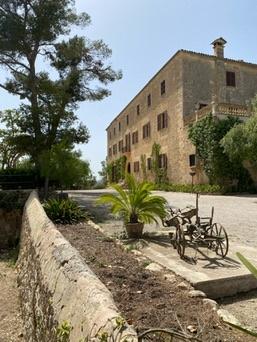
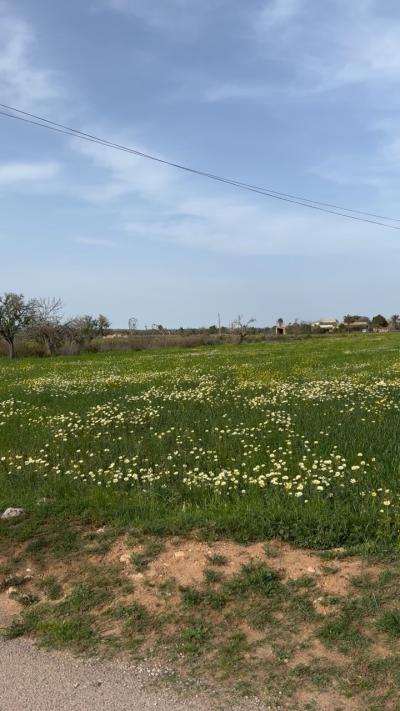
Today, as you explore Mallorca, you can appreciate the lasting impact of these techniques in the island's picturesque landscapes. The terraced fields and the iconic dry-stone walls serve as a reminder of the harmonious relationship between the land and its cultivators. Walking through the serene countryside, you might also stumble upon traditional fincas, or farmhouses, that have stood the test of time, showcasing the architectural styles influenced by the Moorish period. This rich agricultural heritage not only contributes to Mallorca's natural beauty but also plays a crucial role in its gastronomic identity, offering visitors a taste of the island's history with every bite of its locally grown produce.
Additionally, the Arabs implemented terrace farming, which further modified the landscape of the island. By carving out flat sections on the steep slopes of the Tramuntana mountains, they maximized arable land and minimized soil erosion. This method not only supported the growth of crops but also created a stunning visual tapestry of green fields and stone walls that still characterize the Mallorcan countryside today. The legacy of these agricultural techniques can still be seen in the island’s vibrant markets, where local produce reflects centuries of cultivation practices that were refined under Arab influence.
Today, as you explore Mallorca, you can appreciate the lasting impact of these techniques in the island's picturesque landscapes. The terraced fields and the iconic dry-stone walls serve as a reminder of the harmonious relationship between the land and its cultivators. Walking through the serene countryside, you might also stumble upon traditional fincas, or farmhouses, that have stood the test of time, showcasing the architectural styles influenced by the Moorish period. This rich agricultural heritage not only contributes to Mallorca's natural beauty but also plays a crucial role in its gastronomic identity, offering visitors a taste of the island's history with every bite of its locally grown produce.
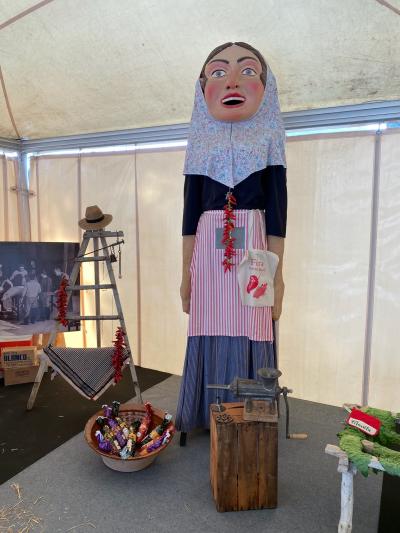
Felanitx
More Fotos