What architectural styles can be found in the Cathedral of Santa Maria de Palma?
Similar Topics
Cathedral of Santa Maria de Palma
La Seu
Gothic architecture
architectural styles
Catalan influences
Moorish influences
Baroque style
Renaissance style
Palma's cultural heritage
stained glass windows
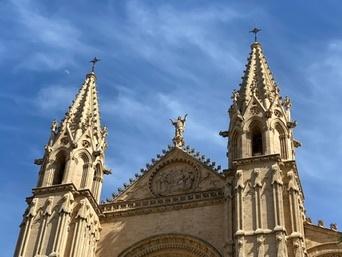
The Cathedral of Santa Maria de Palma, commonly known as La Seu, is a stunning example of Gothic architecture that beautifully reflects the historical context of its construction. Built between the 13th and 17th centuries, this magnificent structure showcases the characteristics of Gothic style, with its soaring arches, ribbed vaults, and intricate flying buttresses. The impressive façade features a series of pointed arches and detailed stone sculptures, while the rose window, one of the largest in the world, exemplifies the grandeur that Gothic cathedrals are renowned for.
In addition to its Gothic elements, La Seu also incorporates aspects of Catalan and Moorish influences, which are evident in its decorative motifs and spatial organization. The interior boasts an array of stunning chapels and altarpieces, many of which exhibit Baroque and Renaissance styles that were popular during the later phases of the cathedral's construction. The use of local materials, such as golden limestone from the nearby quarries, lends a unique character to the building, giving it a warm, inviting glow, particularly when illuminated by the sunlight streaming through its vast stained glass windows.
Visitors will also notice the blend of styles in the cathedral's bell tower, which showcases elements of both Gothic and later architectural trends. The overall effect is a harmonious fusion of historical influences that narrates the rich tapestry of Palma's cultural and architectural heritage. Exploring La Seu is not only an opportunity to admire its grand design but also to understand the layers of history that have shaped this iconic landmark.
In addition to its Gothic elements, La Seu also incorporates aspects of Catalan and Moorish influences, which are evident in its decorative motifs and spatial organization. The interior boasts an array of stunning chapels and altarpieces, many of which exhibit Baroque and Renaissance styles that were popular during the later phases of the cathedral's construction. The use of local materials, such as golden limestone from the nearby quarries, lends a unique character to the building, giving it a warm, inviting glow, particularly when illuminated by the sunlight streaming through its vast stained glass windows.
Visitors will also notice the blend of styles in the cathedral's bell tower, which showcases elements of both Gothic and later architectural trends. The overall effect is a harmonious fusion of historical influences that narrates the rich tapestry of Palma's cultural and architectural heritage. Exploring La Seu is not only an opportunity to admire its grand design but also to understand the layers of history that have shaped this iconic landmark.

Palma
More Fotos