How do the Balearic Islands' politics compare to mainland Spain?
Similar Topics
Balearic Islands politics
Mallorca government
tourism policies
sustainable tourism
environmental protections
Més per Mallorca
gender equality
local governance
autonomous community Spain
political landscape Mallorca
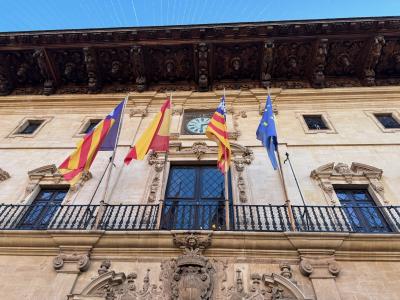
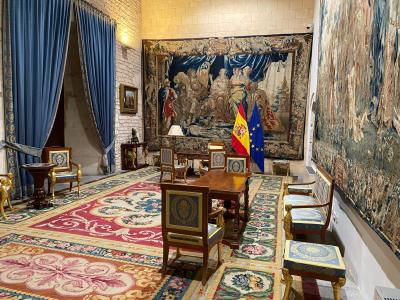
The Balearic Islands, comprising Mallorca, Menorca, Ibiza, and Formentera, have a unique political landscape that reflects both their local identity and their connection to mainland Spain. While they are an autonomous community within Spain, they have their own parliament and government, which allows them to manage many aspects of local governance, including education, health care, and tourism policies. This autonomy gives the Balearic Islands a degree of self-determination that is distinct from the political dynamics on the mainland, where decisions are often made at the national level.
In contrast to the more centralized nature of politics on the mainland, where major parties like the PSOE (Spanish Socialist Workers' Party) and PP (People's Party) dominate, the Balearic Islands have seen a diverse political scene that reflects their unique cultural and social priorities. Regional parties, such as Més per Mallorca, often advocate for local issues, like environmental protections and sustainable tourism, which resonate strongly with both residents and visitors. This focus on local matters can lead to more tailored policies that address the specific needs of island communities, particularly in areas like tourism management and environmental conservation.
Additionally, the Balearic Islands have been at the forefront of progressive social policies, such as measures to promote gender equality and sustainable development, setting them apart from some of the more conservative trends observed in parts of mainland Spain. This progressive stance often appeals to the international community, making the islands not just a tourist haven but also a model for innovative governance. Overall, while the Balearic Islands are politically tied to Spain, their local governance and regional priorities create a distinct political environment that shapes the experience of both residents and visitors alike.
In contrast to the more centralized nature of politics on the mainland, where major parties like the PSOE (Spanish Socialist Workers' Party) and PP (People's Party) dominate, the Balearic Islands have seen a diverse political scene that reflects their unique cultural and social priorities. Regional parties, such as Més per Mallorca, often advocate for local issues, like environmental protections and sustainable tourism, which resonate strongly with both residents and visitors. This focus on local matters can lead to more tailored policies that address the specific needs of island communities, particularly in areas like tourism management and environmental conservation.
Additionally, the Balearic Islands have been at the forefront of progressive social policies, such as measures to promote gender equality and sustainable development, setting them apart from some of the more conservative trends observed in parts of mainland Spain. This progressive stance often appeals to the international community, making the islands not just a tourist haven but also a model for innovative governance. Overall, while the Balearic Islands are politically tied to Spain, their local governance and regional priorities create a distinct political environment that shapes the experience of both residents and visitors alike.
Santanyi
More Fotos