How do the Balearic shearwaters contribute to the local ecosystem?
Similar Topics
Balearic shearwater
Mediterranean seabirds
marine ecosystem
nutrient cycling
biodiversity
fishing industry
coastal vegetation
birdwatching
conservation efforts
Balearic Islands
The Balearic shearwater, a seabird native to the Mediterranean, plays a vital role in the local ecosystem of the Balearic Islands. This species is known for its unique feeding habits, primarily consuming fish and squid, which helps maintain the balance of marine populations. By preying on these species, they contribute to the health of the ocean's food web, ensuring that no single species becomes overly dominant. Their presence indicates a healthy marine environment, which is crucial for both biodiversity and the fishing industry that many local communities rely on.
Additionally, Balearic shearwaters are important for nutrient cycling in their habitats. Their droppings, rich in nitrogen and phosphorus, serve as natural fertilizers for coastal vegetation, promoting plant growth and enhancing the overall health of their ecosystems. This nutrient input supports not only the flora but also the fauna that depend on these plants for food and shelter, creating a thriving habitat for various species. Furthermore, the shearwaters are a vital part of the cultural heritage of the Balearic Islands, drawing birdwatchers and nature enthusiasts who appreciate their beauty and role in the environment.
As a threatened species, the conservation of Balearic shearwaters is essential for preserving the delicate balance of the ecosystem. Efforts to protect their breeding sites and mitigate threats such as pollution and habitat destruction are crucial for ensuring their survival. By safeguarding these birds, we also protect the intricate web of life they support, reinforcing the interconnectedness of the local environment. Thus, the Balearic shearwaters are not just a remarkable sight for visitors but a key element in maintaining the ecological health of the Balearic Islands.
Additionally, Balearic shearwaters are important for nutrient cycling in their habitats. Their droppings, rich in nitrogen and phosphorus, serve as natural fertilizers for coastal vegetation, promoting plant growth and enhancing the overall health of their ecosystems. This nutrient input supports not only the flora but also the fauna that depend on these plants for food and shelter, creating a thriving habitat for various species. Furthermore, the shearwaters are a vital part of the cultural heritage of the Balearic Islands, drawing birdwatchers and nature enthusiasts who appreciate their beauty and role in the environment.
As a threatened species, the conservation of Balearic shearwaters is essential for preserving the delicate balance of the ecosystem. Efforts to protect their breeding sites and mitigate threats such as pollution and habitat destruction are crucial for ensuring their survival. By safeguarding these birds, we also protect the intricate web of life they support, reinforcing the interconnectedness of the local environment. Thus, the Balearic shearwaters are not just a remarkable sight for visitors but a key element in maintaining the ecological health of the Balearic Islands.
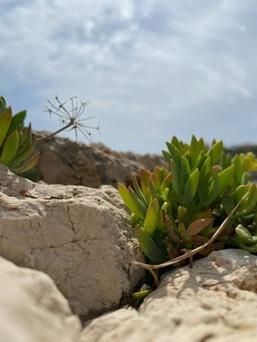
Cala Santanyí
More Fotos