How has the landscape around Biniaraix changed over the centuries?
Similar Topics
Biniaraix
Mallorca
Tramuntana mountain range
landscape transformation
agriculture history
hiking trails
tourism impact
sustainable management
climate change effects
cultural heritage
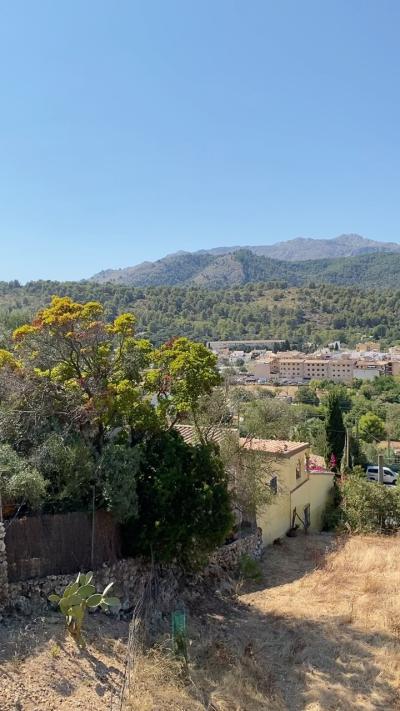
The landscape around Biniaraix, a charming village nestled in the Tramuntana mountain range of Mallorca, has undergone significant transformation over the centuries, shaped by both natural forces and human activity. Historically, the region was characterized by its lush, terraced fields, where local farmers cultivated crops like olive trees and almonds. These terraces, cleverly constructed to manage the steep slopes, not only made agriculture possible but also contributed to the unique aesthetic of the area, intertwining human ingenuity with the rugged beauty of the mountains. Over time, many of these terraces have fallen into disuse, leading to a gradual rewilding of the landscape, where native vegetation has reclaimed parts of the cultivated land.
In addition to agricultural changes, the rise of tourism in the past few decades has also influenced the region's landscape. The demand for hiking trails and scenic viewpoints has led to enhanced paths and infrastructure, allowing visitors to fully appreciate the stunning views of the surrounding mountains and valleys. However, this development has also brought challenges, such as the need for sustainable management to preserve the natural environment and prevent erosion. Efforts are now being made to balance tourism with conservation, ensuring that the beauty of Biniaraix and its surroundings remains intact for future generations.
Moreover, climate change has begun to impact the region, affecting not only the flora and fauna but also the traditional farming practices that have shaped the landscape for centuries. As temperatures rise and rainfall patterns shift, local farmers are adapting their methods, which may further alter the visual tapestry of the area. This evolving landscape is a testament to the resilience of both nature and the local community, reflecting a rich cultural heritage while navigating the challenges of modern life. Visitors to Biniaraix can witness this blend of history and change firsthand, exploring the scenic trails that wind through this picturesque part of Mallorca.
In addition to agricultural changes, the rise of tourism in the past few decades has also influenced the region's landscape. The demand for hiking trails and scenic viewpoints has led to enhanced paths and infrastructure, allowing visitors to fully appreciate the stunning views of the surrounding mountains and valleys. However, this development has also brought challenges, such as the need for sustainable management to preserve the natural environment and prevent erosion. Efforts are now being made to balance tourism with conservation, ensuring that the beauty of Biniaraix and its surroundings remains intact for future generations.
Moreover, climate change has begun to impact the region, affecting not only the flora and fauna but also the traditional farming practices that have shaped the landscape for centuries. As temperatures rise and rainfall patterns shift, local farmers are adapting their methods, which may further alter the visual tapestry of the area. This evolving landscape is a testament to the resilience of both nature and the local community, reflecting a rich cultural heritage while navigating the challenges of modern life. Visitors to Biniaraix can witness this blend of history and change firsthand, exploring the scenic trails that wind through this picturesque part of Mallorca.

Cala Figuera
More Fotos