What is the history behind Cala d’Or and its development as a tourist destination?
Similar Topics
Cala d'Or history
Mallorca tourism
southeast Mallorca
Golden Cove
beach destination
Mediterranean aesthetics
family vacation Mallorca
natural parks Mallorca
Cala d'Or accommodations
tourist hotspot Mallorca
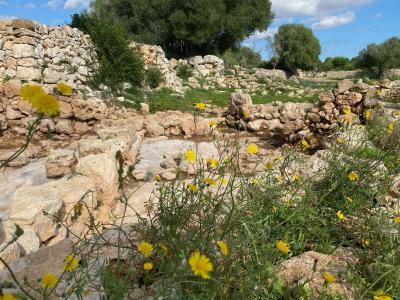
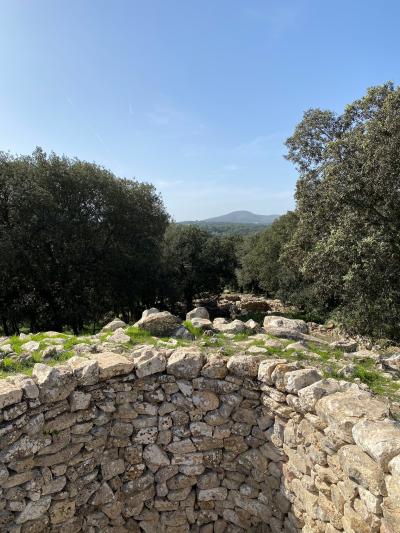
Cala d’Or, located on the southeast coast of Mallorca, has a rich history that dates back to its early days as a small fishing village. The area was originally inhabited by the Talayotic culture, which left behind various archaeological sites, but it wasn't until the 20th century that Cala d’Or began to take on its modern shape. The name “Cala d’Or” translates to “Golden Cove,” a nod to the stunning beaches and tranquil waters that captivated visitors. In the 1930s, the vision of a few forward-thinking individuals led to the development of the town as a holiday destination, prioritizing harmony with the natural landscape.
The post-World War II era marked a significant turning point for Cala d’Or, as the demand for sun-soaked vacations in Europe surged. Developers began to construct hotels and accommodations that respected the local architecture, characterized by whitewashed buildings and Mediterranean aesthetics. This careful planning allowed Cala d’Or to maintain its charming character while accommodating an increasing number of tourists. Throughout the decades, the town evolved with the addition of restaurants, shops, and leisure facilities, making it a well-rounded destination for families and couples alike.
As tourism flourished, Cala d’Or became known for its beautiful, sheltered coves and crystal-clear waters, drawing visitors seeking relaxation and adventure. The nearby natural parks and scenic coastal paths further enhanced its appeal, establishing a perfect blend of leisure and exploration. Today, Cala d’Or is celebrated not only for its natural beauty but also for its vibrant atmosphere, offering a variety of cultural experiences and activities. This transformation from a quaint fishing village to a bustling tourist hotspot showcases the area’s adaptability and enduring charm, ensuring that it remains a beloved destination for those wishing to soak in the distinct beauty of Mallorca.
The post-World War II era marked a significant turning point for Cala d’Or, as the demand for sun-soaked vacations in Europe surged. Developers began to construct hotels and accommodations that respected the local architecture, characterized by whitewashed buildings and Mediterranean aesthetics. This careful planning allowed Cala d’Or to maintain its charming character while accommodating an increasing number of tourists. Throughout the decades, the town evolved with the addition of restaurants, shops, and leisure facilities, making it a well-rounded destination for families and couples alike.
As tourism flourished, Cala d’Or became known for its beautiful, sheltered coves and crystal-clear waters, drawing visitors seeking relaxation and adventure. The nearby natural parks and scenic coastal paths further enhanced its appeal, establishing a perfect blend of leisure and exploration. Today, Cala d’Or is celebrated not only for its natural beauty but also for its vibrant atmosphere, offering a variety of cultural experiences and activities. This transformation from a quaint fishing village to a bustling tourist hotspot showcases the area’s adaptability and enduring charm, ensuring that it remains a beloved destination for those wishing to soak in the distinct beauty of Mallorca.

Artà
More Fotos