What role does the Catalan language play in education here in Mallorca?
Similar Topics
Catalan language
Mallorca education
bilingual education
Mallorquí
Spanish language
cultural identity
Balearic Islands
local customs
private institutions
expatriate community
In Mallorca, the Catalan language plays a significant role in the educational system, reflecting the island's cultural identity and heritage. As part of the Balearic Islands, Mallorca has its own variant of Catalan, known as Mallorquí, which is widely spoken by the local population. The government has implemented a bilingual education model, where both Catalan and Spanish are used as mediums of instruction. This approach not only promotes proficiency in both languages but also reinforces the importance of Catalan as a vital part of the island’s history and culture.
In public schools, a significant portion of the curriculum is delivered in Catalan, particularly in the early years of education. This immersion helps foster a strong connection to local customs and traditions among students. Many families appreciate this emphasis on the Catalan language, viewing it as an essential aspect of their identity. Moreover, there are also private institutions that offer education in English or other languages, catering to the diverse expatriate community and international visitors who live in or frequent the island.
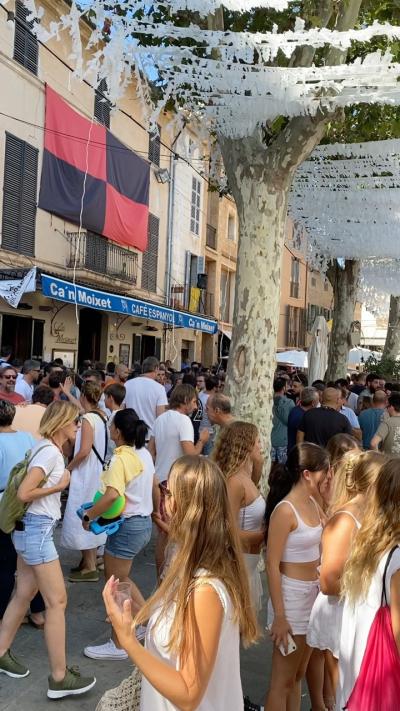
While Catalan is actively promoted in education, Spanish remains a crucial part of the curriculum, ensuring that students are well-rounded linguistically. As a visitor, you may notice the prevalence of Catalan in local signage, literature, and even in everyday conversations. This linguistic landscape adds a unique charm to Mallorca, inviting travelers to engage with the local culture more deeply. Overall, the role of Catalan in education not only shapes the linguistic abilities of young Mallorcans but also preserves the cultural essence of the island, making it an enriching experience for both locals and visitors alike.
In public schools, a significant portion of the curriculum is delivered in Catalan, particularly in the early years of education. This immersion helps foster a strong connection to local customs and traditions among students. Many families appreciate this emphasis on the Catalan language, viewing it as an essential aspect of their identity. Moreover, there are also private institutions that offer education in English or other languages, catering to the diverse expatriate community and international visitors who live in or frequent the island.
While Catalan is actively promoted in education, Spanish remains a crucial part of the curriculum, ensuring that students are well-rounded linguistically. As a visitor, you may notice the prevalence of Catalan in local signage, literature, and even in everyday conversations. This linguistic landscape adds a unique charm to Mallorca, inviting travelers to engage with the local culture more deeply. Overall, the role of Catalan in education not only shapes the linguistic abilities of young Mallorcans but also preserves the cultural essence of the island, making it an enriching experience for both locals and visitors alike.

Cala Figuera
More Fotos