What challenges does the Catalan language face in Mallorca today?
Similar Topics
Catalan language
Mallorquí
language challenges
Mallorca tourism
globalization effects
sociopolitical factors
language preservation
educational system
linguistic heritage
cultural significance
The Catalan language, known as Mallorquí in Mallorca, faces several challenges today, despite its deep-rooted history and cultural significance on the island. One of the primary issues is the influence of tourism and globalization. As Mallorca has become a popular destination for international visitors, English and other languages have increasingly permeated everyday communication, particularly in the service industry. This shift can sometimes overshadow the use of Catalan, especially in urban areas and tourist hotspots, leading to a decline in its everyday usage among younger generations.
Additionally, there are sociopolitical factors at play. While Catalan enjoys official status in the Balearic Islands, the language has had to contend with various political debates regarding its promotion and protection. Some segments of the population advocate for a stronger emphasis on Catalan in education and public life, while others may prioritize Spanish or even English, especially in business contexts. This division can create a dichotomy where the language is celebrated culturally but not as robustly supported in practical terms, leading to a gradual erosion of its use among locals.
The educational system plays a significant role in this dynamic, as the language of instruction can influence fluency and proficiency. Efforts have been made to ensure that children learn Catalan, but the extent to which this is prioritized can vary, impacting the language's transmission to future generations. Moreover, younger Mallorcans may find it easier to communicate in Spanish or English due to popular media and the internet, further complicating the preservation of their linguistic heritage. Despite these challenges, many locals are passionate about their language and culture, working diligently to foster a renewed appreciation for Catalan in both daily life and public discourse.
Additionally, there are sociopolitical factors at play. While Catalan enjoys official status in the Balearic Islands, the language has had to contend with various political debates regarding its promotion and protection. Some segments of the population advocate for a stronger emphasis on Catalan in education and public life, while others may prioritize Spanish or even English, especially in business contexts. This division can create a dichotomy where the language is celebrated culturally but not as robustly supported in practical terms, leading to a gradual erosion of its use among locals.
The educational system plays a significant role in this dynamic, as the language of instruction can influence fluency and proficiency. Efforts have been made to ensure that children learn Catalan, but the extent to which this is prioritized can vary, impacting the language's transmission to future generations. Moreover, younger Mallorcans may find it easier to communicate in Spanish or English due to popular media and the internet, further complicating the preservation of their linguistic heritage. Despite these challenges, many locals are passionate about their language and culture, working diligently to foster a renewed appreciation for Catalan in both daily life and public discourse.
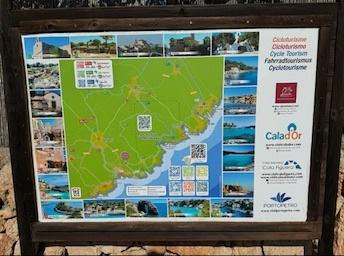
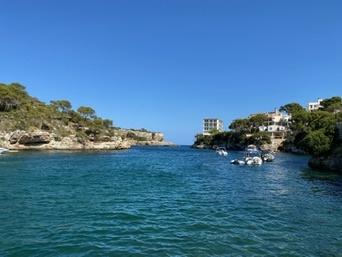
Cala Figuera
More Fotos