What are some of the challenges of farming on Mallorca's terraced fields?
Similar Topics
Mallorca farming
terraced fields
crop diversity
water conservation
Mediterranean climate
soil erosion
traditional techniques
economic pressures
sustainable agriculture
cultural heritage
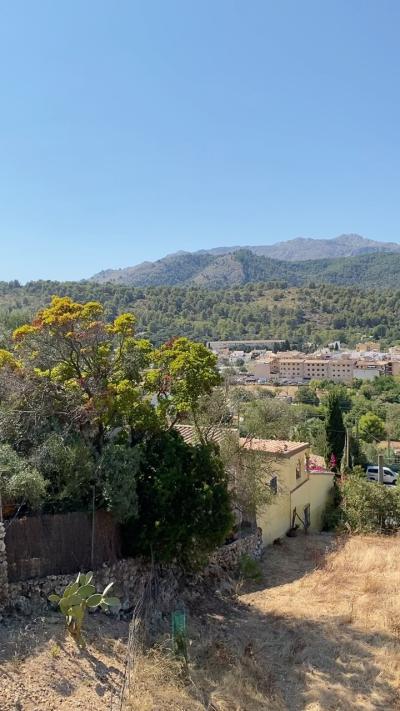
Farming on Mallorca's terraced fields presents a unique set of challenges that stem from both the natural environment and the historical practices of cultivation. The island's rugged terrain, while beautiful, creates difficulties for farmers in terms of accessibility and maintenance. The steep slopes of these terraces can make it physically demanding to plant, tend, and harvest crops. Additionally, the risk of soil erosion is heightened on these inclines, necessitating careful management to preserve the land's fertility and structure. Farmers must often employ traditional techniques, like dry-stone walling, to reinforce the terraces and manage water runoff effectively.
Water scarcity is another significant issue, especially during the hotter months. The Mediterranean climate means that rainfall can be unpredictable, and the reliance on irrigation systems becomes crucial. Farmers often have to rely on ancient methods of water conservation, such as the use of cisterns and channels that direct rainwater to where it's most needed. This requires a deep understanding of the local ecosystem and weather patterns, demanding a level of expertise that has been passed down through generations. Moreover, the diversity of crops grown in these terraced fields, such as olives, almonds, and various fruits, adds complexity to farming practices, as each crop has different water and soil needs.
Additionally, the economic pressures of modern agriculture can pose challenges for traditional farming on Mallorca. As tourism continues to rise, land is increasingly valued for development, which can lead to a decline in agricultural land. Younger generations may be less inclined to continue the labor-intensive farming practices required on these terraces, leading to concerns about the preservation of this cultural heritage. Despite these challenges, many local farmers remain committed to maintaining the terraced fields, recognizing their importance not only for agriculture but also for the island's identity and landscape. This commitment fosters a sense of community and sustainability that is crucial for the future of farming on Mallorca.
Water scarcity is another significant issue, especially during the hotter months. The Mediterranean climate means that rainfall can be unpredictable, and the reliance on irrigation systems becomes crucial. Farmers often have to rely on ancient methods of water conservation, such as the use of cisterns and channels that direct rainwater to where it's most needed. This requires a deep understanding of the local ecosystem and weather patterns, demanding a level of expertise that has been passed down through generations. Moreover, the diversity of crops grown in these terraced fields, such as olives, almonds, and various fruits, adds complexity to farming practices, as each crop has different water and soil needs.
Additionally, the economic pressures of modern agriculture can pose challenges for traditional farming on Mallorca. As tourism continues to rise, land is increasingly valued for development, which can lead to a decline in agricultural land. Younger generations may be less inclined to continue the labor-intensive farming practices required on these terraces, leading to concerns about the preservation of this cultural heritage. Despite these challenges, many local farmers remain committed to maintaining the terraced fields, recognizing their importance not only for agriculture but also for the island's identity and landscape. This commitment fosters a sense of community and sustainability that is crucial for the future of farming on Mallorca.
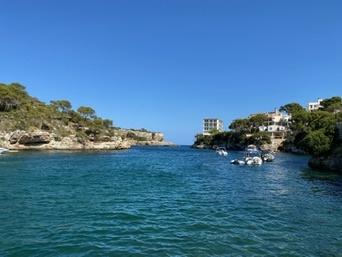
Cala Figuera
More Fotos