How did the different civilizations shape Mallorca's history?
Similar Topics
Mallorca history
Talaiotic culture
Phoenicians Mallorca
Roman influence
Moorish architecture
Palma history
Alcudia sights
Mediterranean trade
cultural heritage
Mallorca tourism
Mallorca's history is a rich tapestry woven from the influences of various civilizations that have settled on its shores over the centuries. The earliest known inhabitants were the Talaiotic culture, who left behind enigmatic stone structures and megaliths that still intrigue visitors today. Following them, the Phoenicians arrived around the 8th century BC, establishing trade routes and settlements that laid the groundwork for economic prosperity. They were soon followed by the Romans, who conquered the island in 123 BC. The Romans introduced advanced agricultural practices and built infrastructure, including roads and aqueducts, which helped shape the island's development and connectivity.
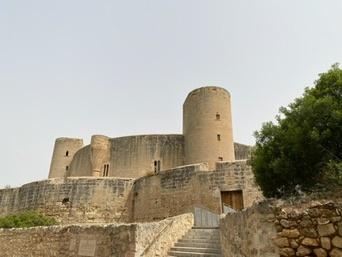
After the fall of the Roman Empire, Mallorca experienced a series of invasions, notably by the Vandals and later by the Moors in the 8th century AD. The Moorish influence was particularly significant, as they introduced new agricultural techniques, irrigation systems, and crops like citrus fruits and almonds, which are still integral to the island's economy today. The period of Moorish rule lasted for nearly three centuries and is reflected in the architecture and place names throughout the island. The stunning Alcudia and the capital city of Palma showcase this blend of cultures, with intricate designs and stunning fortifications that stand as a testament to this era.
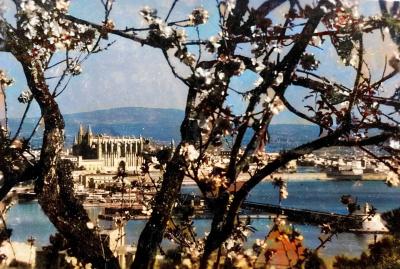
In the 13th century, the island was reconquered by the Christian King James I of Aragon, marking the beginning of a new chapter in Mallorca’s history. This period saw the establishment of a flourishing trade network and the construction of grand cathedrals and palaces, which still attract visitors. The island’s strategic location in the Mediterranean made it a crucial point for maritime trade, further enhancing its importance in European history. Over the centuries, Mallorca has continued to evolve, influenced by its diverse heritage, making it a unique blend of cultures that visitors can explore today. From ancient ruins to Gothic cathedrals, the remnants of these civilizations are woven into the very fabric of the island, offering a captivating glimpse into its storied past.
After the fall of the Roman Empire, Mallorca experienced a series of invasions, notably by the Vandals and later by the Moors in the 8th century AD. The Moorish influence was particularly significant, as they introduced new agricultural techniques, irrigation systems, and crops like citrus fruits and almonds, which are still integral to the island's economy today. The period of Moorish rule lasted for nearly three centuries and is reflected in the architecture and place names throughout the island. The stunning Alcudia and the capital city of Palma showcase this blend of cultures, with intricate designs and stunning fortifications that stand as a testament to this era.
In the 13th century, the island was reconquered by the Christian King James I of Aragon, marking the beginning of a new chapter in Mallorca’s history. This period saw the establishment of a flourishing trade network and the construction of grand cathedrals and palaces, which still attract visitors. The island’s strategic location in the Mediterranean made it a crucial point for maritime trade, further enhancing its importance in European history. Over the centuries, Mallorca has continued to evolve, influenced by its diverse heritage, making it a unique blend of cultures that visitors can explore today. From ancient ruins to Gothic cathedrals, the remnants of these civilizations are woven into the very fabric of the island, offering a captivating glimpse into its storied past.

More Fotos