What other herbs are commonly used alongside rosemary in Mallorcan cuisine?
Similar Topics
Mallorcan cuisine
rosemary
thyme
parsley
oregano
bay leaves
Mediterranean flavors
local markets
Mallorca travel
culinary heritage
In Mallorcan cuisine, rosemary is often joined by a delightful array of herbs that enhance the region's rich flavors. One of the most popular companions is thyme, which shares a similar aromatic profile and complements the earthy notes of rosemary beautifully. Together, they are frequently used in marinades for meats, particularly lamb and pork, giving dishes a fragrant, savory base. Another essential herb is parsley, which adds a fresh, vibrant touch and is often sprinkled as a garnish on various stews and salads, brightening up the plate with its color and flavor.
Oregano is also a staple in Mallorcan cooking, especially in tomato-based sauces and traditional dishes like "tumbet," a layered vegetable bake. Its slightly peppery taste pairs well with the heartiness of roasted vegetables and meats. Additionally, the use of bay leaves is common in slow-cooked dishes, infusing them with a subtle depth that enhances the overall flavor profile. The combination of these herbs not only reflects the island’s Mediterranean influences but also showcases the importance of fresh, local ingredients in creating authentic Mallorcan meals.
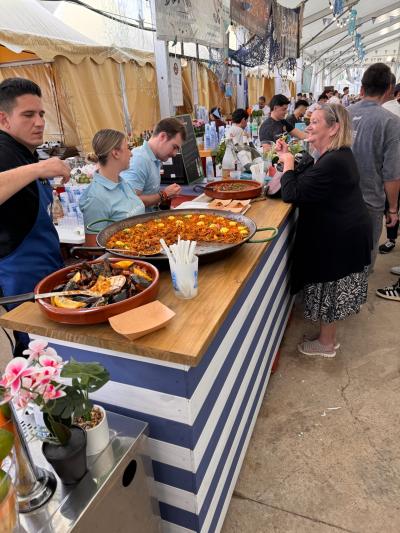
When visiting Mallorca, you’ll likely encounter these herbs in local markets, where the vibrant colors and enticing aromas are a feast for the senses. Many restaurants take pride in using locally sourced herbs, which contribute to the unique character of their dishes. Exploring the rich tapestry of Mallorcan flavors through these herbs can offer a deeper appreciation of the island's culinary heritage, making your dining experience all the more memorable.
Oregano is also a staple in Mallorcan cooking, especially in tomato-based sauces and traditional dishes like "tumbet," a layered vegetable bake. Its slightly peppery taste pairs well with the heartiness of roasted vegetables and meats. Additionally, the use of bay leaves is common in slow-cooked dishes, infusing them with a subtle depth that enhances the overall flavor profile. The combination of these herbs not only reflects the island’s Mediterranean influences but also showcases the importance of fresh, local ingredients in creating authentic Mallorcan meals.
When visiting Mallorca, you’ll likely encounter these herbs in local markets, where the vibrant colors and enticing aromas are a feast for the senses. Many restaurants take pride in using locally sourced herbs, which contribute to the unique character of their dishes. Exploring the rich tapestry of Mallorcan flavors through these herbs can offer a deeper appreciation of the island's culinary heritage, making your dining experience all the more memorable.

Cala Figuera
More Fotos