What materials were commonly used in the construction of Arab buildings in Palma?
Similar Topics
Arab architecture
Palma buildings
limestone construction
clay tiles
Mediterranean design
historic architecture
Palma old town
wood craftsmanship
Islamic period materials
architectural heritage
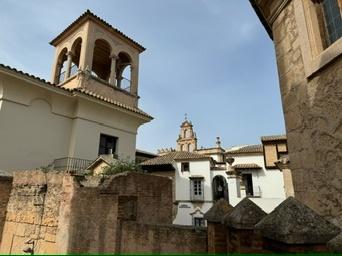
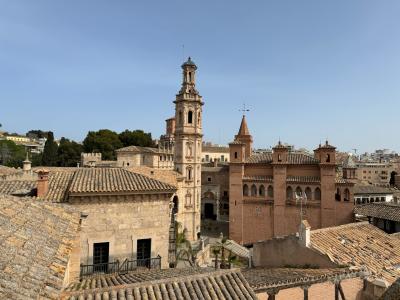
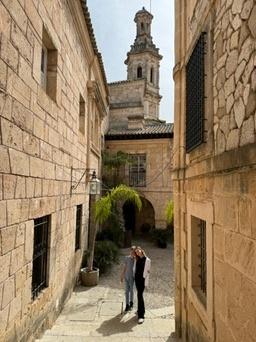
In Palma, the influence of Arab architecture is still evident today, with many historical buildings showcasing materials that were commonly used during the Islamic period. One of the most significant materials is limestone, which was readily available in the region. This local stone was used extensively for constructing walls, arches, and decorative elements, providing a sturdy yet aesthetically pleasing foundation for many structures. The warm hues of the limestone also contribute to the charming ambiance of the old town, especially when bathed in the golden light of the Mediterranean sun.
Another material frequently employed in Arab buildings is clay, often used in the form of bricks or tiles. Clay tiles adorned roofs and floors, offering insulation and a unique artistic touch with intricate patterns. You can find these vibrant tiles in many courtyards and on the facades of buildings, reflecting the rich craftsmanship of the time. Additionally, wood was used for doors and window frames, often intricately carved to showcase geometric designs and motifs that are characteristic of Arab art. This combination of limestone, clay, and wood not only highlights the architectural style of the period but also speaks to the resourcefulness of the builders who utilized local materials to create enduring structures that have stood the test of time.
As you explore Palma, take a moment to appreciate these materials and how they contribute to the city's unique character, blending history with the vibrant life of the present day. The remnants of Arab architecture invite you to imagine the bustling streets of the past, while the beautiful integration of these materials continues to inspire modern design in this enchanting city.
Another material frequently employed in Arab buildings is clay, often used in the form of bricks or tiles. Clay tiles adorned roofs and floors, offering insulation and a unique artistic touch with intricate patterns. You can find these vibrant tiles in many courtyards and on the facades of buildings, reflecting the rich craftsmanship of the time. Additionally, wood was used for doors and window frames, often intricately carved to showcase geometric designs and motifs that are characteristic of Arab art. This combination of limestone, clay, and wood not only highlights the architectural style of the period but also speaks to the resourcefulness of the builders who utilized local materials to create enduring structures that have stood the test of time.
As you explore Palma, take a moment to appreciate these materials and how they contribute to the city's unique character, blending history with the vibrant life of the present day. The remnants of Arab architecture invite you to imagine the bustling streets of the past, while the beautiful integration of these materials continues to inspire modern design in this enchanting city.
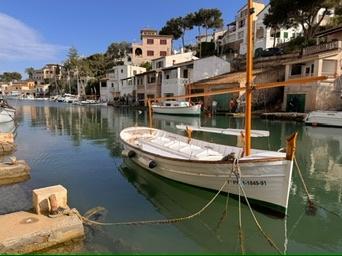
Cala Figuera
More Fotos