What types of vegetation are most common in Mallorca’s climate?
Similar Topics
Mallorca vegetation
Mediterranean climate
Aleppo pine
Mediterranean scrubland
wildflowers Mallorca
endemic species Mallorca
Tramuntana mountains
holms oaks
local cuisine plants
Mallorca natural beauty
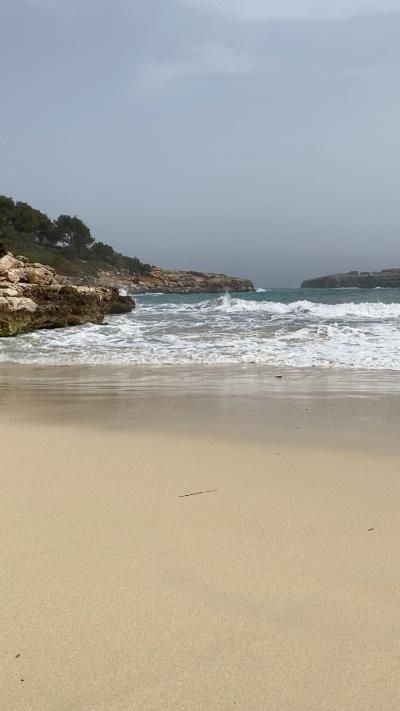
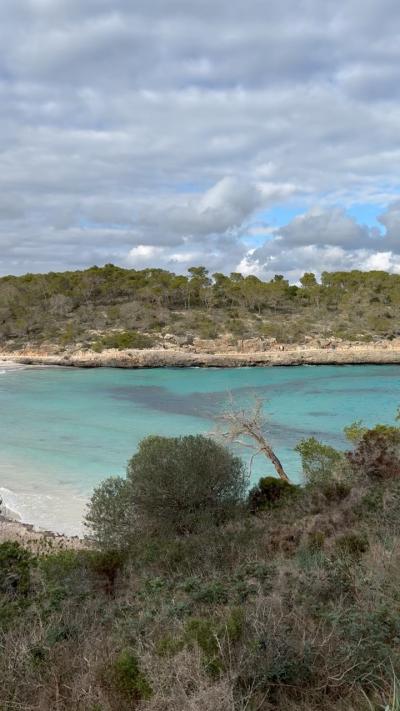
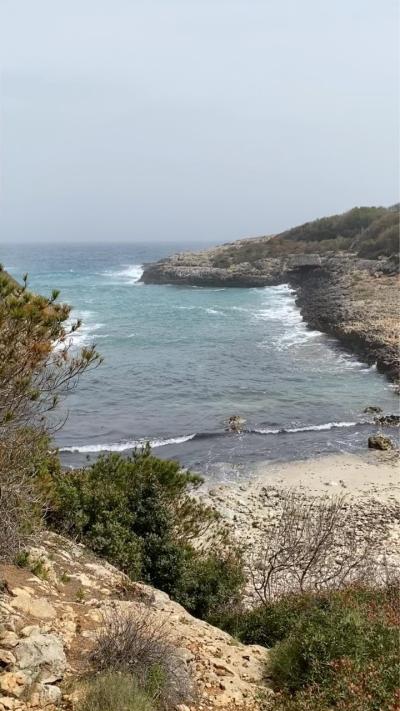
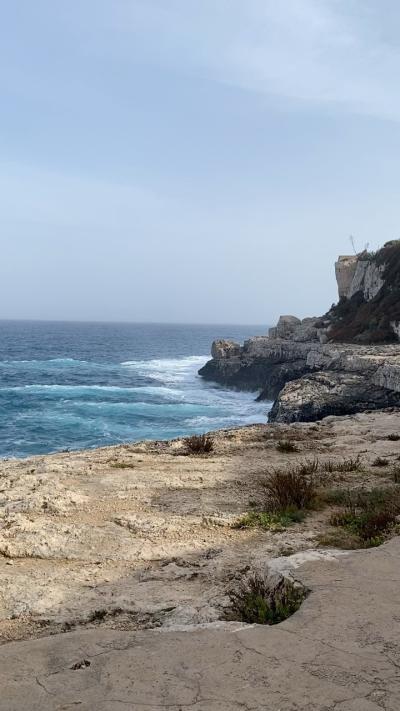
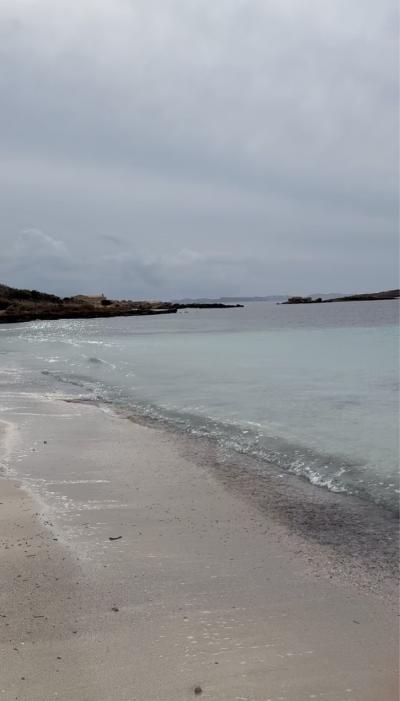
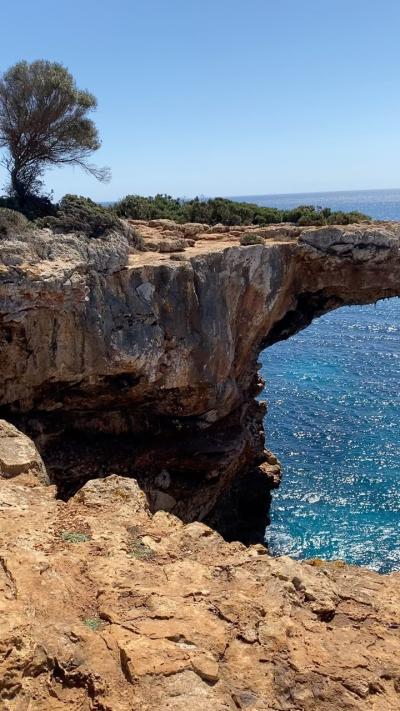
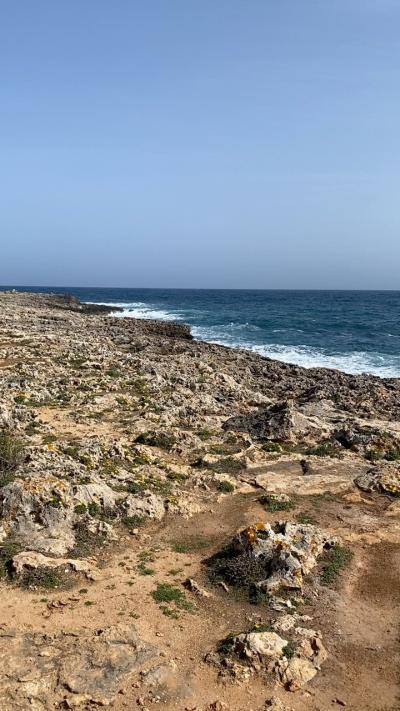
Mallorca, the largest of the Balearic Islands, boasts a Mediterranean climate that shapes its unique and diverse vegetation. The island enjoys hot, dry summers and mild, wetter winters, creating ideal conditions for a variety of plant species. You’ll find that the coastal areas are characterized by lush, evergreen shrubs and trees, including the iconic Aleppo pine, which thrives in the sandy soils and provides a stunning backdrop against the azure sea. The island’s coastline is often adorned with fragrant shrubs like rosemary and thyme, adding to the sensory experience while exploring its natural beauty.
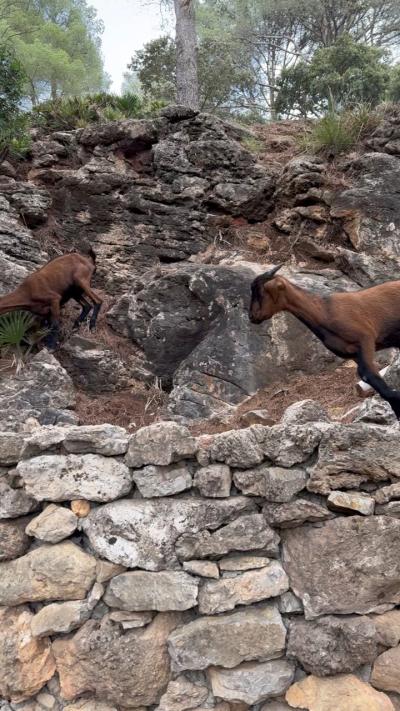
As you venture inland, the landscape transforms into rolling hills and rocky terrains, where you can encounter a mix of Mediterranean scrubland known as “maquis.” This dense vegetation typically features holm oaks, carob trees, and a variety of flowering plants that bloom throughout the year, creating a vibrant tapestry of colors. The island is also home to several endemic species, which include plants that have adapted specifically to the local environment. In the higher mountainous regions, you can spot the majestic wild olive trees and even some remnants of ancient agricultural terraces where traditional crops like almonds and olives are cultivated.
In the spring, the island bursts into life with wildflowers, showcasing a spectacular display of colors across the landscape. Orchids, poppies, and various herbs bloom abundantly, attracting bees and other pollinators that are essential for maintaining the ecological balance. This rich biodiversity not only enhances the scenic beauty of Mallorca but also offers an insight into the island's cultural heritage, as many of these plants have been used for centuries in local cuisine and traditional medicine. Whether you’re hiking through the Tramuntana mountains or strolling along the coast, the vegetation of Mallorca is a captivating aspect of your journey, reflecting the island’s natural charm and inviting you to immerse yourself in its serene environment.
As you venture inland, the landscape transforms into rolling hills and rocky terrains, where you can encounter a mix of Mediterranean scrubland known as “maquis.” This dense vegetation typically features holm oaks, carob trees, and a variety of flowering plants that bloom throughout the year, creating a vibrant tapestry of colors. The island is also home to several endemic species, which include plants that have adapted specifically to the local environment. In the higher mountainous regions, you can spot the majestic wild olive trees and even some remnants of ancient agricultural terraces where traditional crops like almonds and olives are cultivated.
In the spring, the island bursts into life with wildflowers, showcasing a spectacular display of colors across the landscape. Orchids, poppies, and various herbs bloom abundantly, attracting bees and other pollinators that are essential for maintaining the ecological balance. This rich biodiversity not only enhances the scenic beauty of Mallorca but also offers an insight into the island's cultural heritage, as many of these plants have been used for centuries in local cuisine and traditional medicine. Whether you’re hiking through the Tramuntana mountains or strolling along the coast, the vegetation of Mallorca is a captivating aspect of your journey, reflecting the island’s natural charm and inviting you to immerse yourself in its serene environment.
More Fotos