How do I communicate dietary preferences in Spanish when ordering food?
Similar Topics
dietary preferences in Spanish
communicating food allergies
Spanish dining phrases
vegan in Spanish
vegetarian in Spanish
gluten-free options Spanish
restaurant communication Spanish
food intolerances Spanish
Spanish menu terms
local cuisine dining tips
Communicating your dietary preferences in Spanish can significantly enhance your dining experience while traveling. When you're at a restaurant, it's helpful to start by saying, "Tengo una dieta" followed by your specific preference, which means "I have a diet." For example, if you're vegetarian, you can say, "Tengo una dieta vegetariana." If you're vegan, you might say, "Soy vegano/a," and ensure to emphasize that you don’t consume any animal products. It’s also wise to mention any specific ingredients you’d like to avoid, such as meat or dairy, to prevent any misunderstandings.
If you have allergies or intolerances, it's crucial to communicate those clearly. You can say, "Soy alérgico/a a..." followed by the ingredient, like "Soy alérgico/a a los frutos secos," which means "I am allergic to nuts." Always double-check with the waiter to ensure they understand your needs, as they can help suggest suitable dishes or modify meals. Additionally, learning a few key terms can be beneficial; for instance, "sin" means "without," so you could say "sin gluten" for gluten-free options.
As you engage with the staff, a friendly approach can go a long way. Spanish speakers often appreciate when visitors make an effort to speak their language, even if it's just a few phrases. Don't hesitate to ask questions about the menu items and express your preferences clearly. Most restaurant staff are accustomed to handling dietary requests and will be happy to assist you in finding a meal that suits your needs while ensuring you enjoy the local cuisine.
If you have allergies or intolerances, it's crucial to communicate those clearly. You can say, "Soy alérgico/a a..." followed by the ingredient, like "Soy alérgico/a a los frutos secos," which means "I am allergic to nuts." Always double-check with the waiter to ensure they understand your needs, as they can help suggest suitable dishes or modify meals. Additionally, learning a few key terms can be beneficial; for instance, "sin" means "without," so you could say "sin gluten" for gluten-free options.
As you engage with the staff, a friendly approach can go a long way. Spanish speakers often appreciate when visitors make an effort to speak their language, even if it's just a few phrases. Don't hesitate to ask questions about the menu items and express your preferences clearly. Most restaurant staff are accustomed to handling dietary requests and will be happy to assist you in finding a meal that suits your needs while ensuring you enjoy the local cuisine.
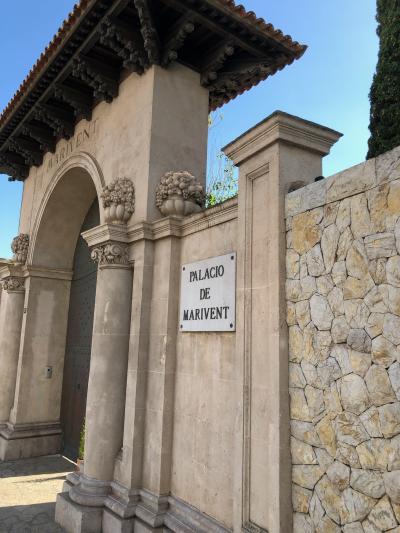
ses Illetes
More Fotos




Related Questions
Related Question
Are there any historical sites or landmarks near the beaches I should check out?
Related Question
Can you recommend restaurants that provide high chairs or other amenities for young kids?
Related Question
Is there a café or restaurant close to the Palau March where I can grab a bite?