How do the flavors of Mallorcan cuisine compare to other Mediterranean foods?
Similar Topics
Mallorcan cuisine
Mediterranean food
fresh local ingredients
sobrassada
tumbet
Mediterranean desserts
olive oil
seafood
Mallorca travel
culinary journey
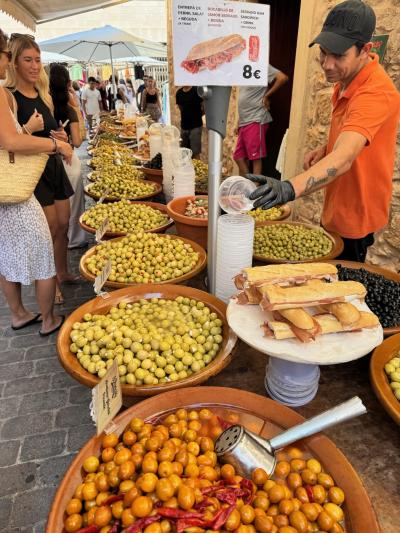
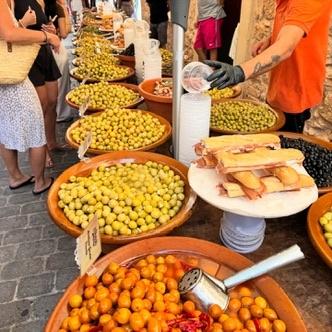
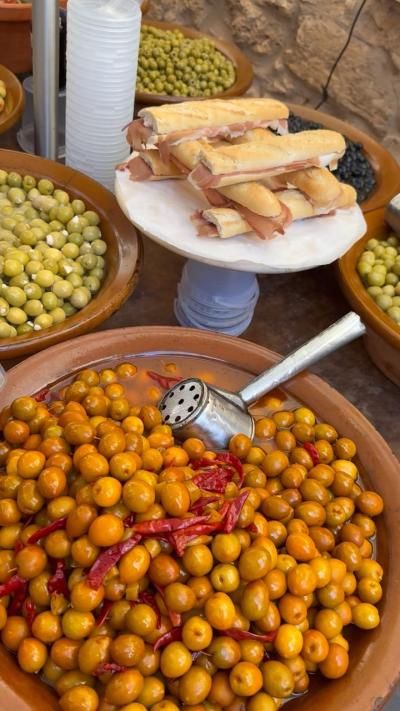
Mallorcan cuisine is a delightful reflection of the island's rich history and diverse cultural influences, making it unique yet familiar within the broader Mediterranean culinary landscape. One of the most distinctive features of Mallorcan food is its emphasis on fresh, local ingredients, which are often sourced from the island’s fertile land and surrounding waters. This results in dishes that highlight the natural flavors of seasonal produce, seafood, and meats, similar to other Mediterranean regions but with a distinct local twist. The use of herbs like rosemary and thyme, along with spices such as saffron, adds a fragrant depth to many traditional dishes, setting Mallorcan cuisine apart from its neighbors.
In contrast to heavier Mediterranean fare, such as the rich sauces found in Italian or French cooking, Mallorcan dishes often celebrate simplicity and freshness. For instance, the famous “sobrassada,” a cured sausage made from pork and paprika, embodies the island’s love for robust flavors while remaining light in texture. Dishes like “tumbet,” a vegetable medley layered with potatoes and eggplant, reflect the island's agricultural bounty and are reminiscent of ratatouille from France, yet the incorporation of local ingredients gives it an unmistakable Mallorcan identity. Furthermore, the island's desserts, often featuring almonds and citrus, showcase a sweetness that is both comforting and refreshing, distinctively different from the more syrupy sweets found elsewhere in the Mediterranean.
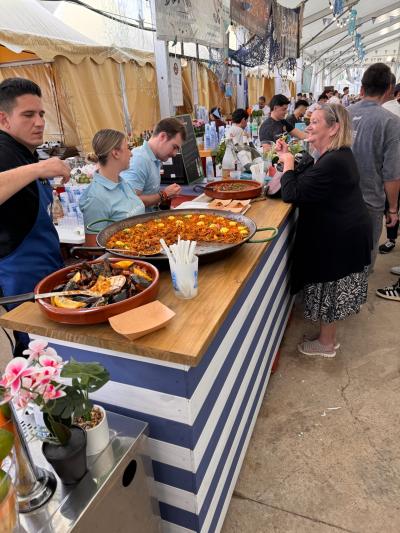
Ultimately, while Mallorcan cuisine shares foundational elements with other Mediterranean traditions—such as the use of olive oil, fresh seafood, and an array of vegetables—it stands out due to its locally sourced ingredients and unique flavor profiles. This harmonious blend of simplicity and richness makes a culinary journey through Mallorca a truly memorable experience, inviting visitors to savor the island's heritage in every bite. Whether indulging in a traditional “pa amb oli” or enjoying fresh seafood paella, the flavors of Mallorca are sure to leave a lasting impression and a deep appreciation for the island's culinary artistry.
In contrast to heavier Mediterranean fare, such as the rich sauces found in Italian or French cooking, Mallorcan dishes often celebrate simplicity and freshness. For instance, the famous “sobrassada,” a cured sausage made from pork and paprika, embodies the island’s love for robust flavors while remaining light in texture. Dishes like “tumbet,” a vegetable medley layered with potatoes and eggplant, reflect the island's agricultural bounty and are reminiscent of ratatouille from France, yet the incorporation of local ingredients gives it an unmistakable Mallorcan identity. Furthermore, the island's desserts, often featuring almonds and citrus, showcase a sweetness that is both comforting and refreshing, distinctively different from the more syrupy sweets found elsewhere in the Mediterranean.
Ultimately, while Mallorcan cuisine shares foundational elements with other Mediterranean traditions—such as the use of olive oil, fresh seafood, and an array of vegetables—it stands out due to its locally sourced ingredients and unique flavor profiles. This harmonious blend of simplicity and richness makes a culinary journey through Mallorca a truly memorable experience, inviting visitors to savor the island's heritage in every bite. Whether indulging in a traditional “pa amb oli” or enjoying fresh seafood paella, the flavors of Mallorca are sure to leave a lasting impression and a deep appreciation for the island's culinary artistry.

Cala Figuera
More Fotos