How do the Talaiot sites compare to similar structures found in other parts of the Mediterranean?
Similar Topics
Talaiot sites
Menorca
prehistoric culture
Balearic Islands
Bronze Age
megalithic structures
nuraghe
Malta architecture
dry-stone architecture
ancient societies
The Talaiot sites, primarily found on the island of Menorca in Spain, are fascinating remnants of prehistoric culture that provide a unique glimpse into the ancient communities of the Balearic Islands. These structures, characterized by their distinctive stone towers called talaiots, date back to the Bronze Age and exhibit a remarkable architectural style that reflects the ingenuity and resourcefulness of their builders. While they share some similarities with megalithic structures found across other parts of the Mediterranean, such as the nuraghe in Sardinia or the Bronze Age towers in Malta, the Talaiot sites have their own distinct features that set them apart.
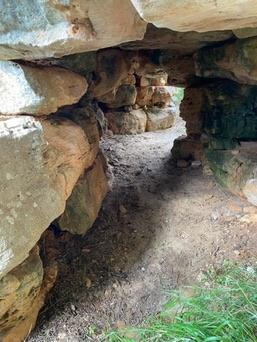
One of the most striking aspects of the Talaiot sites is their integration into the natural landscape, often positioned strategically on hilltops or near coastal areas, suggesting a strong connection to both defense and community. Unlike the nuraghe, which are generally more massive and complex, Talaiots tend to be smaller and often serve multiple purposes, including religious rituals, communal gatherings, and possibly even as watchtowers. This multifunctionality highlights the adaptability of the Talaiotic culture in response to their environment and societal needs. Additionally, the construction techniques employed in the Talaiots, using large limestone blocks without mortar, are reminiscent of the dry-stone architecture found in other Mediterranean regions, yet they maintain a distinct aesthetic that reflects local traditions and available materials.
Comparing the Talaiots to similar structures across the region reveals a tapestry of cultural exchange and adaptation among ancient societies. For instance, while both the Talaiots and Maltese temples share a spiritual significance, the latter are often more elaborate in their design and decoration, showcasing intricate carvings that speak to a different cultural emphasis on artistry. Similarly, the nuragic towers of Sardinia, with their imposing height and complexity, suggest a more hierarchical society, whereas the Talaiots might indicate a more communal lifestyle. Ultimately, visiting the Talaiot sites offers not only a chance to appreciate their unique historical context but also an opportunity to reflect on the broader patterns of human settlement and architectural evolution throughout the Mediterranean.
One of the most striking aspects of the Talaiot sites is their integration into the natural landscape, often positioned strategically on hilltops or near coastal areas, suggesting a strong connection to both defense and community. Unlike the nuraghe, which are generally more massive and complex, Talaiots tend to be smaller and often serve multiple purposes, including religious rituals, communal gatherings, and possibly even as watchtowers. This multifunctionality highlights the adaptability of the Talaiotic culture in response to their environment and societal needs. Additionally, the construction techniques employed in the Talaiots, using large limestone blocks without mortar, are reminiscent of the dry-stone architecture found in other Mediterranean regions, yet they maintain a distinct aesthetic that reflects local traditions and available materials.
Comparing the Talaiots to similar structures across the region reveals a tapestry of cultural exchange and adaptation among ancient societies. For instance, while both the Talaiots and Maltese temples share a spiritual significance, the latter are often more elaborate in their design and decoration, showcasing intricate carvings that speak to a different cultural emphasis on artistry. Similarly, the nuragic towers of Sardinia, with their imposing height and complexity, suggest a more hierarchical society, whereas the Talaiots might indicate a more communal lifestyle. Ultimately, visiting the Talaiot sites offers not only a chance to appreciate their unique historical context but also an opportunity to reflect on the broader patterns of human settlement and architectural evolution throughout the Mediterranean.

Capocorb Vell
More Fotos