Can you tell me about the culinary traditions in Mallorca that date back to the 1700s?
Similar Topics
Mallorca culinary traditions
Mallorcan cuisine
Mediterranean flavors
local ingredients
frito mallorquín
tumbet dish
ensaimada pastry
spice trade Mallorca
traditional recipes
Mallorca food culture
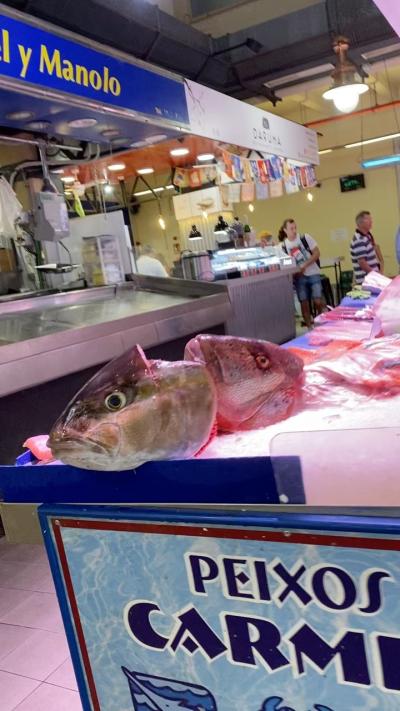
Mallorca, with its rich history and diverse cultural influences, boasts a culinary tradition that has evolved over centuries, particularly since the 1700s. This period marked a significant shift in the island's gastronomy, influenced by the mix of Mediterranean flavors and the agricultural practices unique to the region. One of the cornerstones of Mallorcan cuisine is the use of locally sourced ingredients, such as fresh seafood, seasonal vegetables, and a variety of meats, particularly from the island's traditional livestock. Dishes like "frito mallorquín," a hearty fry-up of lamb or pork with potatoes and seasonal vegetables, reflect the island's rustic roots and the importance of using what the land provides.
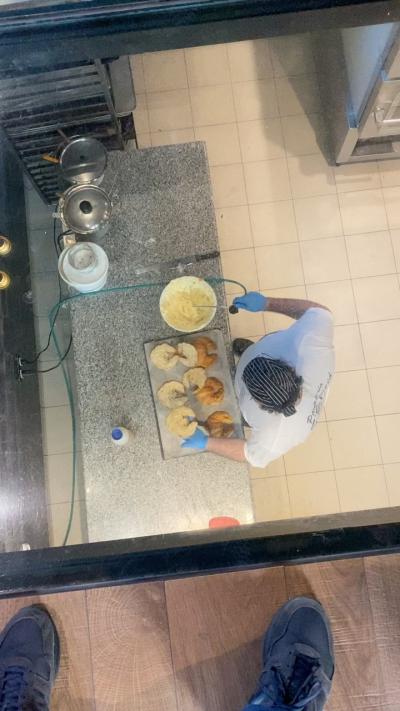
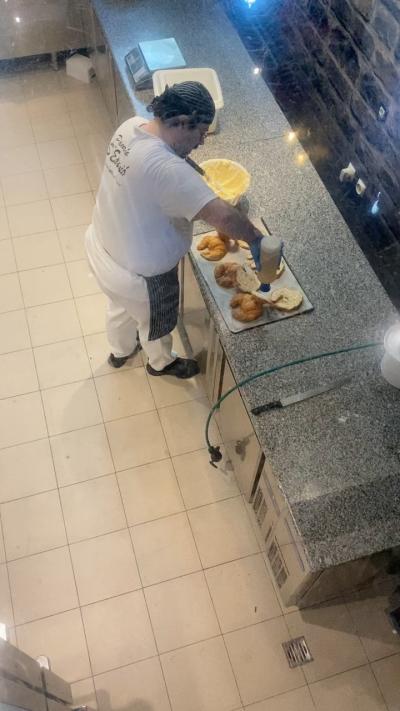
Another significant aspect of Mallorcan culinary tradition is the use of spices and herbs, which can be traced back to the spice trade during the 18th century. Ingredients like saffron and cinnamon became popular, leading to the creation of distinctive dishes such as "tumbet," a vegetable dish layered with potatoes, eggplant, and peppers, often seasoned with aromatic herbs. The island is also famous for its pastries, particularly "ensaimada," a sweet spiral pastry that has become a symbol of Mallorca. This delicacy, which has its origins in the 17th century, is traditionally made with a dough rich in lard, reflecting the island's agricultural practices and the influence of neighboring cultures.
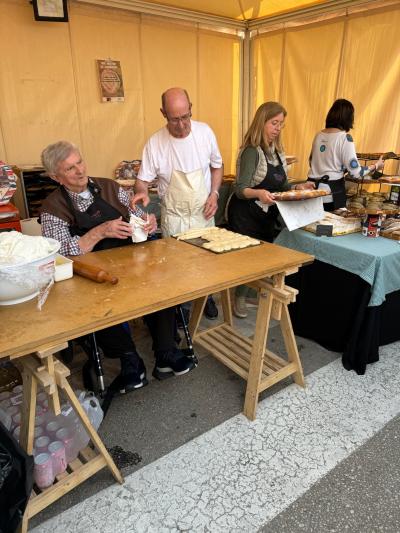
The culinary traditions of Mallorca are not just about the food itself but also about the communal aspect of dining. Meals often involve family gatherings and celebrations, where traditional recipes are passed down through generations. This sense of community is deeply embedded in the culture, creating an environment where food is not merely sustenance but a way to connect with loved ones and honor heritage. As you explore Mallorca today, you will find that many chefs and home cooks alike continue to celebrate these age-old traditions, blending them with modern techniques to create a vibrant culinary scene that tells the story of the island's past.
Another significant aspect of Mallorcan culinary tradition is the use of spices and herbs, which can be traced back to the spice trade during the 18th century. Ingredients like saffron and cinnamon became popular, leading to the creation of distinctive dishes such as "tumbet," a vegetable dish layered with potatoes, eggplant, and peppers, often seasoned with aromatic herbs. The island is also famous for its pastries, particularly "ensaimada," a sweet spiral pastry that has become a symbol of Mallorca. This delicacy, which has its origins in the 17th century, is traditionally made with a dough rich in lard, reflecting the island's agricultural practices and the influence of neighboring cultures.
The culinary traditions of Mallorca are not just about the food itself but also about the communal aspect of dining. Meals often involve family gatherings and celebrations, where traditional recipes are passed down through generations. This sense of community is deeply embedded in the culture, creating an environment where food is not merely sustenance but a way to connect with loved ones and honor heritage. As you explore Mallorca today, you will find that many chefs and home cooks alike continue to celebrate these age-old traditions, blending them with modern techniques to create a vibrant culinary scene that tells the story of the island's past.
More Fotos