How do the monuments reflect the cultural heritage of Mallorca?
Similar Topics
Mallorca monuments
cultural heritage Mallorca
Catedral de Santa Maria
Gothic architecture Mallorca
Talaiotic structures
Mallorca windmills
Valldemossa
Deià
Pollentia ruins
traditional architecture Mallorca
The monuments of Mallorca serve as vivid reflections of the island's rich and diverse cultural heritage, showcasing the influences of various civilizations that have settled here over centuries. From the ancient Talaiotic structures to the grand Gothic cathedrals, each monument tells a story of the island’s history and the peoples who have shaped its identity. For instance, the impressive Catedral de Santa Maria, often referred to simply as La Seu, stands as a testament to the island's medieval past, embodying the architectural brilliance of the Gothic style while integrating elements from its Moorish heritage. The cathedral’s stunning façade and intricate rose window not only attract visitors but also symbolize the fusion of cultures that is so characteristic of Mallorca.
Another significant aspect of Mallorca's monuments is their connection to local traditions and customs. The numerous windmills scattered across the landscape are not just picturesque; they are remnants of the island’s agricultural past, representing the traditional ways of life that once revolved around farming and production. These windmills remind visitors of the island's rural heritage and the ingenuity of its inhabitants in harnessing natural resources. Additionally, the charming stone villages, like Valldemossa and Deià, feature traditional architecture that reflects the island's unique character, with their narrow streets and terracotta roofs blending seamlessly into the surrounding landscapes.
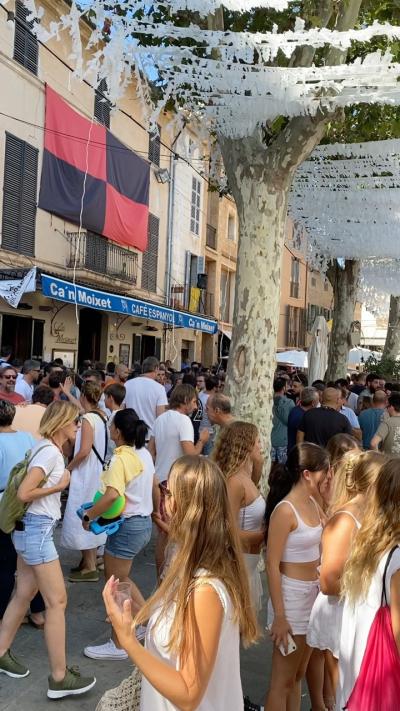
Moreover, the monuments often serve as cultural hubs where local festivals and events take place, further enriching the island's vibrant tapestry. For example, the ancient ruins of Pollentia offer insights into Roman life and are sometimes used for reenactments and cultural gatherings, allowing visitors to experience a glimpse of the island’s historical narratives in an engaging way. Overall, the monuments of Mallorca not only attract visitors with their beauty and historical significance but also foster a deeper appreciation for the island’s diverse cultural legacy, making it a place where the past and present beautifully coalesce.
Another significant aspect of Mallorca's monuments is their connection to local traditions and customs. The numerous windmills scattered across the landscape are not just picturesque; they are remnants of the island’s agricultural past, representing the traditional ways of life that once revolved around farming and production. These windmills remind visitors of the island's rural heritage and the ingenuity of its inhabitants in harnessing natural resources. Additionally, the charming stone villages, like Valldemossa and Deià, feature traditional architecture that reflects the island's unique character, with their narrow streets and terracotta roofs blending seamlessly into the surrounding landscapes.
Moreover, the monuments often serve as cultural hubs where local festivals and events take place, further enriching the island's vibrant tapestry. For example, the ancient ruins of Pollentia offer insights into Roman life and are sometimes used for reenactments and cultural gatherings, allowing visitors to experience a glimpse of the island’s historical narratives in an engaging way. Overall, the monuments of Mallorca not only attract visitors with their beauty and historical significance but also foster a deeper appreciation for the island’s diverse cultural legacy, making it a place where the past and present beautifully coalesce.

Cala Figuera
More Fotos