How does the local culture reflect the historical influences found around the Bay of Palma?
Similar Topics
Bay of Palma
Mallorca culture
historical influences
Gothic architecture
Moorish buildings
local cuisine
Sant Joan festival
Feast of Our Lady of the Sea
Mediterranean port
cultural heritage
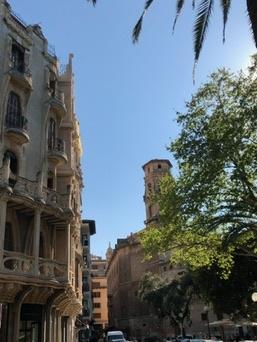
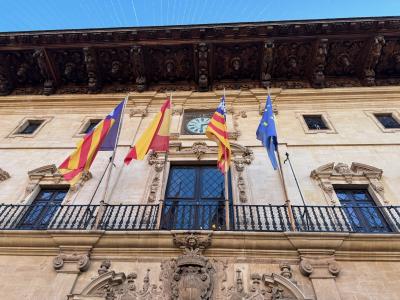
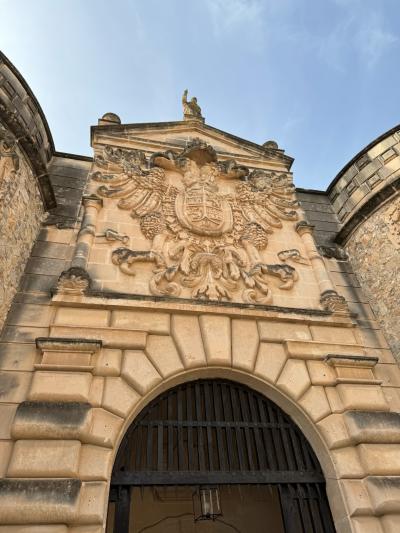
The Bay of Palma, with its stunning views and rich history, is a tapestry woven from various cultural influences that have shaped its identity over centuries. The most significant historical influence stems from its time as a major Mediterranean port, attracting traders, settlers, and invaders from diverse backgrounds, including the Romans, Moors, and later, the Spanish Crown. This confluence of cultures is beautifully reflected in the local architecture, where you can see the elegant Gothic structures of the Cathedral of Santa Maria, known as La Seu, standing alongside the Moorish-style buildings that whisper tales of the past. The vibrant colors and intricate designs found in the tiles and façades of Palma's old town are a testament to this rich blend of influences.
Culinary traditions in the Bay of Palma also showcase a fusion of flavors and techniques brought by these historical waves of influence. The local cuisine boasts a delightful mix of Mediterranean ingredients, with dishes like pa amb oli and ensaimada highlighting the island's agricultural bounty while incorporating spices and cooking methods from the Arab period. As you stroll through local markets, the aromas of fresh seafood, locally grown produce, and artisanal cheeses create an inviting atmosphere, inviting you to savor the tastes that link past and present.
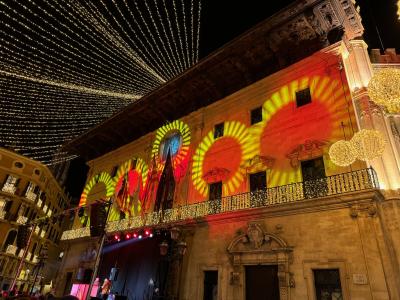
Furthermore, the local festivals and traditions often celebrate this rich heritage, with events like the vibrant Sant Joan festival and the Feast of Our Lady of the Sea bringing together the community to honor their history. The lively music and dance that fill the streets during these celebrations reflect the island's diverse cultural roots, showcasing a blend of traditional Mallorcan sounds with more modern influences. Overall, the culture around the Bay of Palma is a living testament to its historical influences, creating a unique and welcoming environment that invites visitors to explore and appreciate its storied past.
Culinary traditions in the Bay of Palma also showcase a fusion of flavors and techniques brought by these historical waves of influence. The local cuisine boasts a delightful mix of Mediterranean ingredients, with dishes like pa amb oli and ensaimada highlighting the island's agricultural bounty while incorporating spices and cooking methods from the Arab period. As you stroll through local markets, the aromas of fresh seafood, locally grown produce, and artisanal cheeses create an inviting atmosphere, inviting you to savor the tastes that link past and present.
Furthermore, the local festivals and traditions often celebrate this rich heritage, with events like the vibrant Sant Joan festival and the Feast of Our Lady of the Sea bringing together the community to honor their history. The lively music and dance that fill the streets during these celebrations reflect the island's diverse cultural roots, showcasing a blend of traditional Mallorcan sounds with more modern influences. Overall, the culture around the Bay of Palma is a living testament to its historical influences, creating a unique and welcoming environment that invites visitors to explore and appreciate its storied past.
Palma
More Fotos