What cultural influences shaped the art and architecture during the Kingdom of Mallorca?
Similar Topics
Kingdom of Mallorca
Mallorca art
Mallorca architecture
Roman influence Mallorca
Islamic period Mallorca
Gothic style Mallorca
La Seu Palma
cultural influences Mallorca
Mallorca history
architectural styles Mallorca
The art and architecture of the Kingdom of Mallorca were profoundly influenced by a blend of cultures over the centuries, reflecting its strategic location in the Mediterranean. Initially, the island was inhabited by the Talaiotic culture, which left behind megalithic structures. However, the greatest transformations began with the arrival of the Romans in the 1st century BC, who introduced classical architectural elements, including the use of arches and columns, and laid the foundation for urban planning that would endure through the ages. The remnants of Roman influence can still be seen in sites such as the ancient city of Pollentia.
The Islamic period, which began in the 10th century, was particularly significant for shaping Mallorca's cultural identity. During this time, the island became a center for trade and learning, and the arts flourished. The Moors brought intricate tile work, ornate calligraphy, and a distinct architectural style characterized by horseshoe arches and elaborate stucco decoration. This era left a lasting mark on the island, notably in the Alcázar of Alaró and the remains of numerous mosques that were later converted into churches after the Christian Reconquista in the 13th century.
Following the Reconquista, the Kingdom of Mallorca embraced a Gothic architectural style, especially during the 14th and 15th centuries. This period saw the construction of grand cathedrals, such as the iconic La Seu in Palma, which showcases a harmonious blend of Gothic and Moorish influences. The Renaissance brought a renewed interest in classical forms, further enriching the architectural landscape with palaces and public buildings adorned with elaborate facades. As the centuries progressed, the Baroque style also made its mark, introducing more dramatic and ornate features to churches and civic structures.
In summary, the art and architecture of the Kingdom of Mallorca are a tapestry woven from diverse cultural threads, including Roman practicality, Islamic elegance, and Gothic grandeur. Each period contributed unique elements that together create a distinct and captivating visual narrative, inviting visitors to explore the island's rich history through its stunning monuments. Whether wandering through the narrow streets of Palma or admiring ancient ruins, one can truly appreciate how these cultural influences continue to resonate in Mallorca's artistic expression.
The Islamic period, which began in the 10th century, was particularly significant for shaping Mallorca's cultural identity. During this time, the island became a center for trade and learning, and the arts flourished. The Moors brought intricate tile work, ornate calligraphy, and a distinct architectural style characterized by horseshoe arches and elaborate stucco decoration. This era left a lasting mark on the island, notably in the Alcázar of Alaró and the remains of numerous mosques that were later converted into churches after the Christian Reconquista in the 13th century.
Following the Reconquista, the Kingdom of Mallorca embraced a Gothic architectural style, especially during the 14th and 15th centuries. This period saw the construction of grand cathedrals, such as the iconic La Seu in Palma, which showcases a harmonious blend of Gothic and Moorish influences. The Renaissance brought a renewed interest in classical forms, further enriching the architectural landscape with palaces and public buildings adorned with elaborate facades. As the centuries progressed, the Baroque style also made its mark, introducing more dramatic and ornate features to churches and civic structures.
In summary, the art and architecture of the Kingdom of Mallorca are a tapestry woven from diverse cultural threads, including Roman practicality, Islamic elegance, and Gothic grandeur. Each period contributed unique elements that together create a distinct and captivating visual narrative, inviting visitors to explore the island's rich history through its stunning monuments. Whether wandering through the narrow streets of Palma or admiring ancient ruins, one can truly appreciate how these cultural influences continue to resonate in Mallorca's artistic expression.
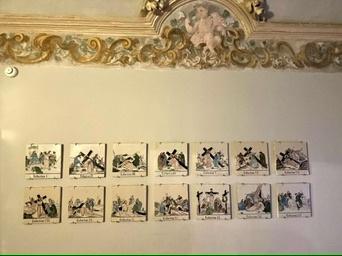
Palma Cathedral
More Fotos