What is the cultural significance of the monastery in Valldemossa?
Similar Topics
Valldemossa monastery
Real Cartuja
Carthusian monastery
Frédéric Chopin
George Sand
Tramuntana mountains
Gothic architecture
Baroque architecture
cultural heritage
artistic legacy
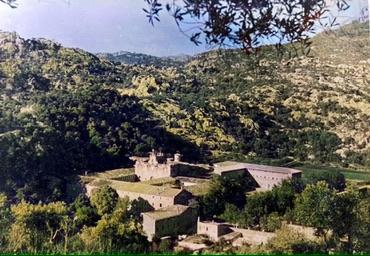
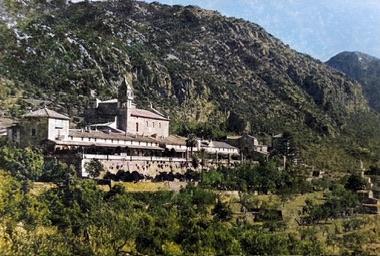
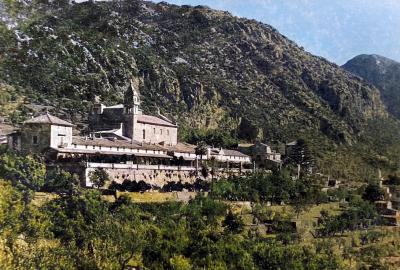
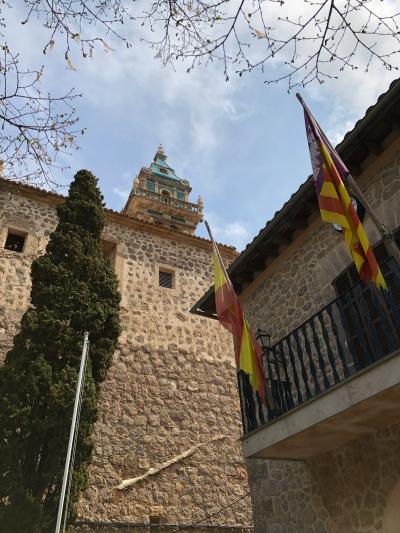
The monastery in Valldemossa, known as the Real Cartuja, holds profound cultural significance, not only for its historical roots but also for its artistic heritage. Founded in the late 14th century as a Carthusian monastery, it has served as a sanctuary for monks and a place of contemplation, reflecting the spiritual dedication of its founders. Over the centuries, the monastery has witnessed a range of historical events and transformations, most notably its role as a refuge for the famous composer Frédéric Chopin and the French writer George Sand during the winter of 1838-1839. Their time in Valldemossa inspired a rich exchange of artistic ideas, and it is said that Chopin composed some of his most beloved works while surrounded by the serene landscape of the Tramuntana mountains.
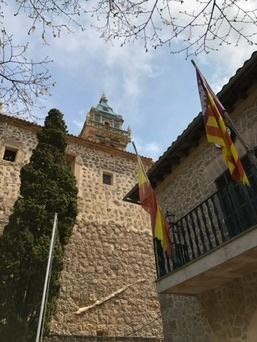
In addition to its historical importance, the monastery is an architectural gem, showcasing a blend of Gothic and Baroque styles. Visitors can explore its beautifully preserved cloisters, chapel, and gardens, which provide a glimpse into monastic life and the spiritual devotion that characterized the community. The site also houses a museum that displays artifacts related to Chopin and Sand, including manuscripts and personal belongings, which offer insights into their lives and creative processes. This connection to two iconic figures in the world of music and literature adds a layer of cultural richness to the site, making it a pilgrimage for fans of the arts.
Furthermore, the monastery stands as a symbol of the surrounding village's identity and heritage. Valldemossa, with its charming cobblestone streets and picturesque scenery, has drawn visitors for generations, and the monastery serves as a focal point for both locals and tourists who seek to understand the area's rich history. The annual cultural events and concerts held within its walls continue to celebrate this legacy, keeping the spirit of creativity alive and fostering a sense of community. Thus, the Real Cartuja not only represents the past but also plays an active role in the cultural landscape of Valldemossa, bridging history with contemporary artistic expression.
In addition to its historical importance, the monastery is an architectural gem, showcasing a blend of Gothic and Baroque styles. Visitors can explore its beautifully preserved cloisters, chapel, and gardens, which provide a glimpse into monastic life and the spiritual devotion that characterized the community. The site also houses a museum that displays artifacts related to Chopin and Sand, including manuscripts and personal belongings, which offer insights into their lives and creative processes. This connection to two iconic figures in the world of music and literature adds a layer of cultural richness to the site, making it a pilgrimage for fans of the arts.
Furthermore, the monastery stands as a symbol of the surrounding village's identity and heritage. Valldemossa, with its charming cobblestone streets and picturesque scenery, has drawn visitors for generations, and the monastery serves as a focal point for both locals and tourists who seek to understand the area's rich history. The annual cultural events and concerts held within its walls continue to celebrate this legacy, keeping the spirit of creativity alive and fostering a sense of community. Thus, the Real Cartuja not only represents the past but also plays an active role in the cultural landscape of Valldemossa, bridging history with contemporary artistic expression.
Valldemossa
More Fotos