How do the cultural spaces in Palma differ from those in other parts of Mallorca?
Similar Topics
Palma Mallorca
cultural spaces
La Seu Cathedral
Museu de Mallorca
Es Baluard
Sóller
Deià
local traditions
art festivals
Mallorca travel
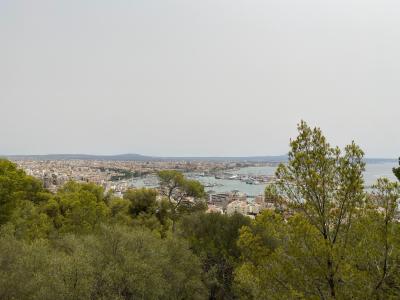
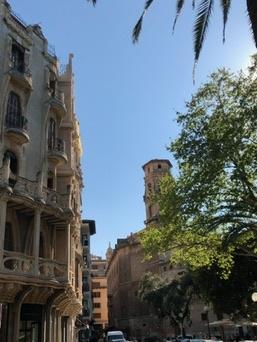
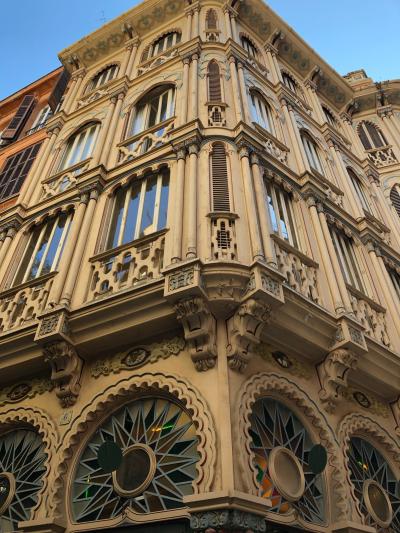
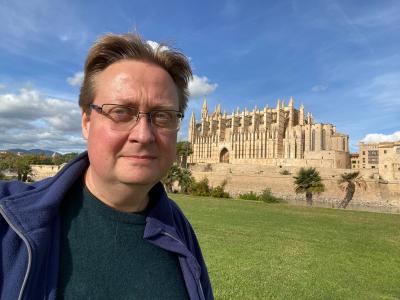
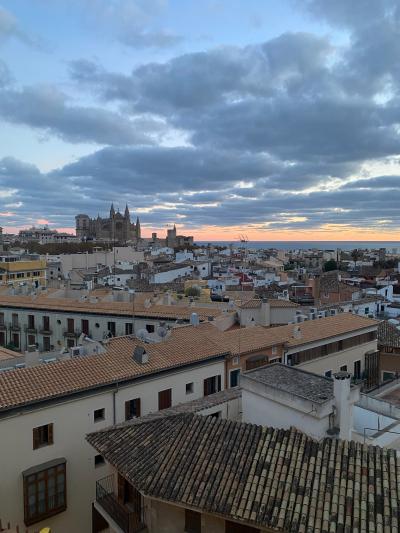
Palma, the vibrant capital of Mallorca, boasts a rich tapestry of cultural spaces that distinctly set it apart from the rest of the island. At the heart of Palma lies its historic old town, where stunning Gothic architecture, such as the iconic La Seu Cathedral, creates a backdrop for a myriad of cultural offerings. The city's museums, like the Museu de Mallorca and Es Baluard, celebrate both local and international art, reflecting a blend of tradition and modernity. This urban environment fosters a dynamic cultural scene that includes galleries, theaters, and live music venues, making Palma a hub for artistic expression and cultural events throughout the year.
In contrast, the other regions of Mallorca offer a different, often more tranquil experience. Areas like Sóller and Deià, while picturesque and rich in history, tend to focus on local traditions and the island's natural beauty. The cultural spaces here, such as small art galleries and local craft shops, emphasize craftsmanship and the connection to the landscape, showcasing the island's heritage. Festivals in these towns often revolve around agricultural practices or local saints, providing a glimpse into the island's rural life. While Palma is more cosmopolitan and bustling, the smaller towns offer a peaceful retreat into Mallorca's slower-paced cultural heartbeat, where the emphasis is on community and tradition rather than the broader artistic movements found in the capital.
Moreover, Palma's cultural calendar is packed with events that attract international visitors, from music festivals to art fairs, reflecting its role as a cultural crossroads. In contrast, the festivals and events in other parts of Mallorca often have a more localized charm, focusing on unique traditions and celebrations that highlight the region's identity. This contrast between Palma's vibrant, urban cultural scene and the serene, tradition-rich offerings of the island's towns provides a delightful balance for travelers seeking both excitement and authenticity in their exploration of Mallorca's diverse cultural landscape.
In contrast, the other regions of Mallorca offer a different, often more tranquil experience. Areas like Sóller and Deià, while picturesque and rich in history, tend to focus on local traditions and the island's natural beauty. The cultural spaces here, such as small art galleries and local craft shops, emphasize craftsmanship and the connection to the landscape, showcasing the island's heritage. Festivals in these towns often revolve around agricultural practices or local saints, providing a glimpse into the island's rural life. While Palma is more cosmopolitan and bustling, the smaller towns offer a peaceful retreat into Mallorca's slower-paced cultural heartbeat, where the emphasis is on community and tradition rather than the broader artistic movements found in the capital.
Moreover, Palma's cultural calendar is packed with events that attract international visitors, from music festivals to art fairs, reflecting its role as a cultural crossroads. In contrast, the festivals and events in other parts of Mallorca often have a more localized charm, focusing on unique traditions and celebrations that highlight the region's identity. This contrast between Palma's vibrant, urban cultural scene and the serene, tradition-rich offerings of the island's towns provides a delightful balance for travelers seeking both excitement and authenticity in their exploration of Mallorca's diverse cultural landscape.
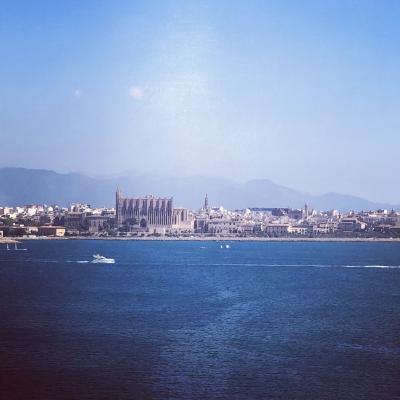
Palma de Mallorca
More Fotos