What role did the defense towers play during conflicts in the Mediterranean?
Similar Topics
defense towers
Mediterranean conflicts
historical fortifications
coastal settlements
Middle Ages
Byzantines
Ottomans
trade routes
military history
maritime defense
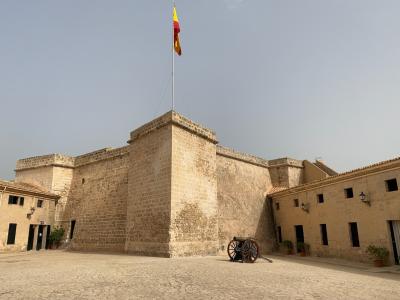
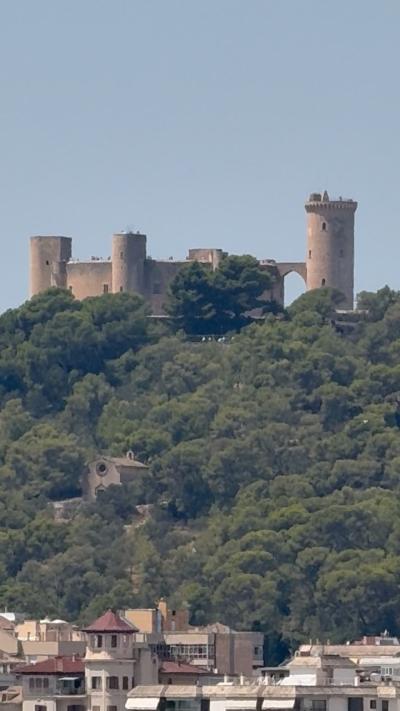
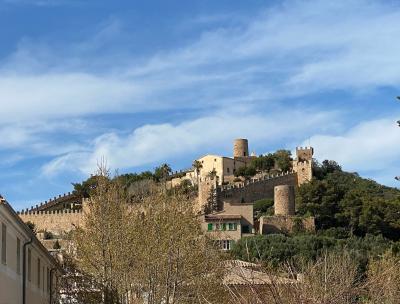
The defense towers in the Mediterranean served a crucial role during historical conflicts, acting as both lookouts and fortifications against invasions and raids. These structures, often strategically positioned along coastlines and islands, allowed for early warning systems to alert communities of approaching threats. In many cases, they were built using local materials, blending seamlessly into the landscape while providing a formidable presence. The towers could house soldiers and supplies, enabling them to sustain prolonged defenses during sieges or pirate attacks.
During the Middle Ages, the Mediterranean was a hotbed of conflict involving various powers, including the Byzantines, Ottomans, and various European states. The towers were essential in protecting trade routes and coastal settlements, allowing for communication between distant locations through a series of signal fires or smoke signals. This network not only provided security but also facilitated the movement of troops and resources, which were vital during periods of conflict.
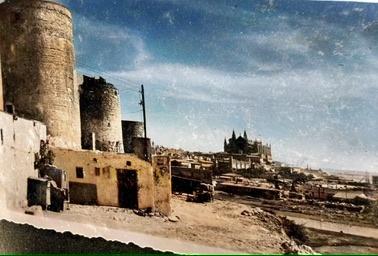
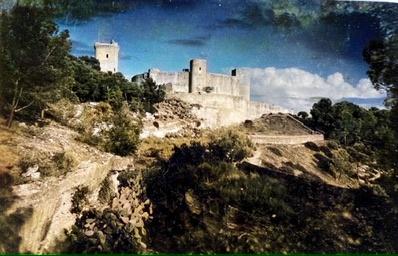
As time progressed, many of these structures evolved in design and purpose, adapting to new military technologies and tactics. Today, while some of these towers are in ruins, others have been preserved or restored, offering visitors a glimpse into the strategic military history of the region. Exploring these towers can provide a fascinating insight into the past and highlight the importance of maritime defense in shaping the cultural and historical landscape of the Mediterranean.
During the Middle Ages, the Mediterranean was a hotbed of conflict involving various powers, including the Byzantines, Ottomans, and various European states. The towers were essential in protecting trade routes and coastal settlements, allowing for communication between distant locations through a series of signal fires or smoke signals. This network not only provided security but also facilitated the movement of troops and resources, which were vital during periods of conflict.
As time progressed, many of these structures evolved in design and purpose, adapting to new military technologies and tactics. Today, while some of these towers are in ruins, others have been preserved or restored, offering visitors a glimpse into the strategic military history of the region. Exploring these towers can provide a fascinating insight into the past and highlight the importance of maritime defense in shaping the cultural and historical landscape of the Mediterranean.

Alcudia
More Fotos