What are the differences between the trees found on the north and south coasts of Mallorca?
Similar Topics
Mallorca trees
north coast Mallorca
south coast Mallorca
Aleppo pine
holm oaks
Mediterranean fan palm
stone pine
Mallorca biodiversity
Mallorca landscapes
Mallorca agriculture
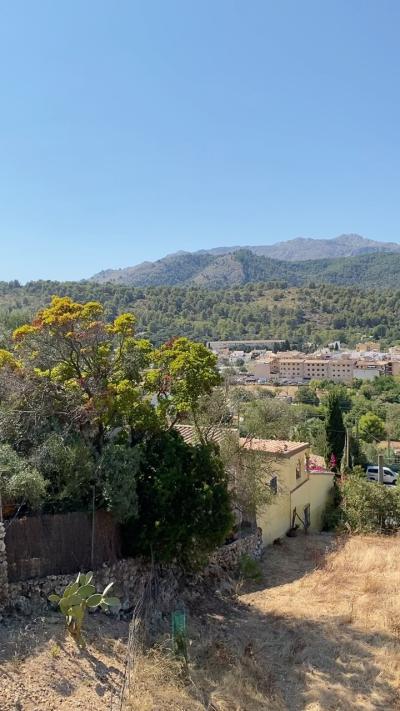
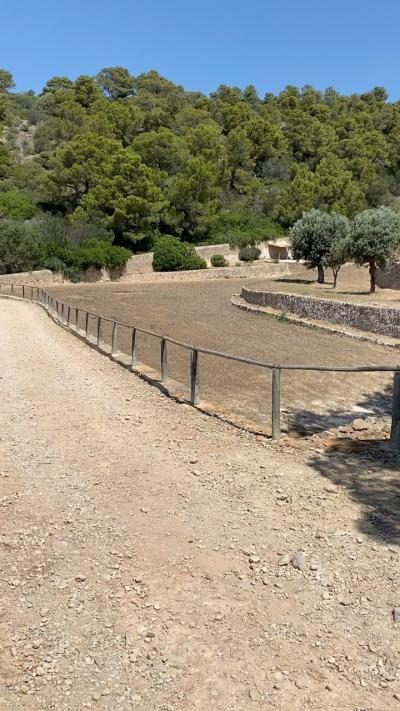
The trees found on the north and south coasts of Mallorca showcase the island's rich biodiversity and varied landscapes. On the north coast, you will encounter a more rugged terrain characterized by the Tramuntana mountain range. Here, the landscape is dotted with majestic pines, particularly the Aleppo pine, which thrives in the rocky soil and typically dry conditions. These trees create a stunning backdrop against the dramatic cliffs and beautiful coves, providing a unique ecosystem that supports various wildlife. Additionally, you may also find holm oaks and ancient olive trees, which add to the enchanting scenery, especially in the more elevated regions.
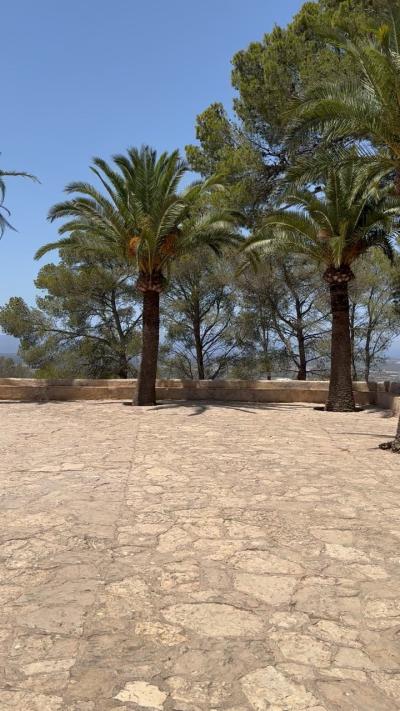
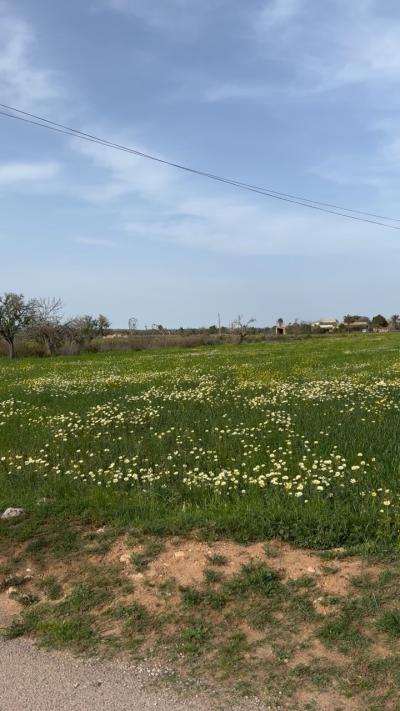
In contrast, the south coast boasts a different climate and geography, leading to a diverse array of tree species. The landscape is generally flatter and more arid, with areas of sandy soil that favor trees such as the Mediterranean fan palm and the stone pine, which are well adapted to the heat and coastal winds. The south is also known for its lush vineyards and citrus groves, where you can find orange and lemon trees thriving in the sunny climate. This region’s trees often provide a more cultivated feel, as they are integral to the agricultural practices of the area, contributing to the island's famous gastronomy and local produce.
Overall, while both coasts share some common Mediterranean species, the north's trees are often more gnarled and resilient, shaped by the rugged terrain, while the south features a more manicured landscape, rich in agricultural variety. This diversity not only enhances the natural beauty of Mallorca but also reflects the island's cultural heritage and the ways in which its environment has shaped local life. Exploring both coasts will give you a deeper appreciation of the unique ecosystems and the vibrant landscapes that define this stunning Mediterranean destination.
In contrast, the south coast boasts a different climate and geography, leading to a diverse array of tree species. The landscape is generally flatter and more arid, with areas of sandy soil that favor trees such as the Mediterranean fan palm and the stone pine, which are well adapted to the heat and coastal winds. The south is also known for its lush vineyards and citrus groves, where you can find orange and lemon trees thriving in the sunny climate. This region’s trees often provide a more cultivated feel, as they are integral to the agricultural practices of the area, contributing to the island's famous gastronomy and local produce.
Overall, while both coasts share some common Mediterranean species, the north's trees are often more gnarled and resilient, shaped by the rugged terrain, while the south features a more manicured landscape, rich in agricultural variety. This diversity not only enhances the natural beauty of Mallorca but also reflects the island's cultural heritage and the ways in which its environment has shaped local life. Exploring both coasts will give you a deeper appreciation of the unique ecosystems and the vibrant landscapes that define this stunning Mediterranean destination.
More Fotos