How does the dining culture in Mallorca differ from that in Germany?
Similar Topics
Mallorca dining culture
Mediterranean cuisine
Spanish tapas
Mallorca restaurants
communal dining
sobrasada
ensaïmada
beachside eateries
German dining customs
culinary tourism in Mallorca
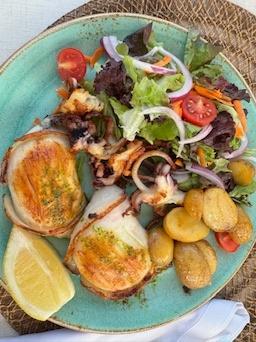
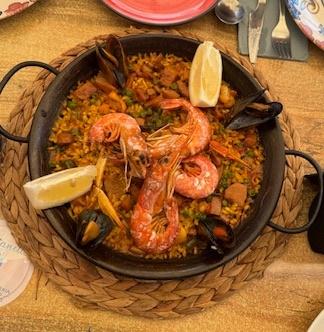
The dining culture in Mallorca is a vibrant reflection of its Mediterranean heritage, characterized by a strong emphasis on fresh, locally sourced ingredients and communal dining experiences. Meals in Mallorca tend to be leisurely affairs, often stretching on for hours as friends and family gather to enjoy a variety of dishes together. Traditional meals often feature an array of tapas, with small plates of local specialties like sobrasada, a spreadable sausage, or ensaïmada, a sweet pastry. Dining establishments often embrace al fresco settings, allowing patrons to savor their meals while enjoying the island’s beautiful weather and stunning views.
In contrast, the dining culture in Germany is typically more structured and punctual, with meals often taking place at specific times. Germans tend to enjoy hearty, filling dishes, with a focus on meats, potatoes, and bread, reflecting the heartiness of their cuisine. While there is a growing trend toward casual dining and international influences in larger cities, the traditional German dining experience is generally more formal and can include multiple courses, served in a timely manner. Additionally, meals are often accompanied by beer or wine, but the overall pace is generally quicker compared to the relaxed, social atmosphere of Mallorca.
Moreover, while both cultures appreciate good food and drink, Mallorca’s dining scene is heavily influenced by its tourism industry, leading to an array of options that cater to diverse tastes and preferences, from beachside eateries to upscale restaurants. In contrast, Germany's culinary offerings are often rooted in regional traditions, with an emphasis on seasonal ingredients and local specialties. This difference in approach creates unique dining experiences in each destination, allowing visitors to savor the distinct flavors and social customs that define Mallorca and Germany.
In contrast, the dining culture in Germany is typically more structured and punctual, with meals often taking place at specific times. Germans tend to enjoy hearty, filling dishes, with a focus on meats, potatoes, and bread, reflecting the heartiness of their cuisine. While there is a growing trend toward casual dining and international influences in larger cities, the traditional German dining experience is generally more formal and can include multiple courses, served in a timely manner. Additionally, meals are often accompanied by beer or wine, but the overall pace is generally quicker compared to the relaxed, social atmosphere of Mallorca.
Moreover, while both cultures appreciate good food and drink, Mallorca’s dining scene is heavily influenced by its tourism industry, leading to an array of options that cater to diverse tastes and preferences, from beachside eateries to upscale restaurants. In contrast, Germany's culinary offerings are often rooted in regional traditions, with an emphasis on seasonal ingredients and local specialties. This difference in approach creates unique dining experiences in each destination, allowing visitors to savor the distinct flavors and social customs that define Mallorca and Germany.
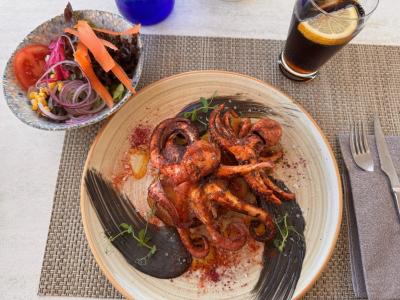
Cala Figuera
More Fotos