How do the flavors of Mallorcan cuisine differ from other Spanish regions?
Similar Topics
Mallorcan cuisine
Spanish regional dishes
Mediterranean flavors
fresh local ingredients
olive oil cooking
sobrasada
ensaimada
seafood dishes
cultural influences in cuisine
tumbet recipe
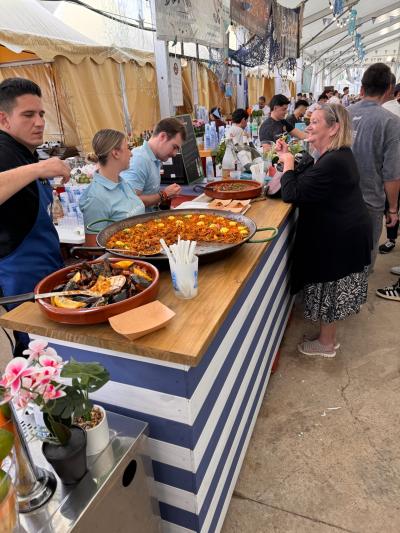
Mallorcan cuisine is a vibrant tapestry of flavors that reflects the island's unique geography, history, and culture. Unlike other regions of Spain, which may emphasize bold spices or rich sauces, Mallorcan dishes often highlight the fresh, local ingredients available on the island. The Mediterranean climate allows for an abundance of fresh vegetables, fruits, and herbs, which are frequently featured in traditional recipes. Olive oil is a staple in Mallorcan cooking, and it enhances the natural flavors of ingredients rather than overpowering them, creating a more subtle and harmonious taste profile.
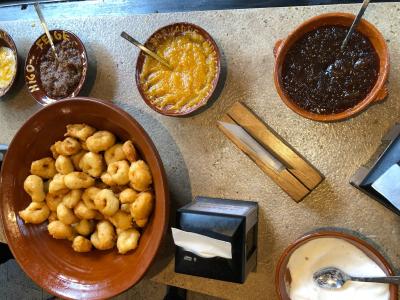
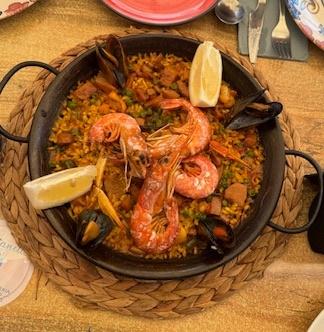
One of the standout aspects of Mallorcan cuisine is its emphasis on simplicity and authenticity. Dishes such as "sobrasada," a type of cured sausage flavored with paprika, and "ensaimada," a light pastry often enjoyed for breakfast, showcase the island's culinary traditions without the heavy embellishments found in other Spanish regions. Seafood also plays a significant role in Mallorcan cooking, and the island's coastal location means that fresh fish and shellfish are frequently used in local dishes. The use of aromatic herbs like rosemary and thyme, along with local varieties of tomatoes and peppers, adds a distinctive character that sets Mallorcan cuisine apart from the more robust flavors commonly found in regions like Andalusia or the Basque Country.
Furthermore, Mallorcan cuisine has been influenced by various cultures over the centuries, including the Moors and the Romans, which has contributed to its diverse flavor palette. This blending of traditions is evident in dishes such as "tumbet," a vegetable dish that showcases the influence of North African cooking, or "frit de carn," a meat dish that incorporates local spices and herbs. Overall, the flavors of Mallorcan cuisine offer a delightful journey through the island's history, presenting a lighter and often more refined approach to the rich culinary heritage of Spain.
One of the standout aspects of Mallorcan cuisine is its emphasis on simplicity and authenticity. Dishes such as "sobrasada," a type of cured sausage flavored with paprika, and "ensaimada," a light pastry often enjoyed for breakfast, showcase the island's culinary traditions without the heavy embellishments found in other Spanish regions. Seafood also plays a significant role in Mallorcan cooking, and the island's coastal location means that fresh fish and shellfish are frequently used in local dishes. The use of aromatic herbs like rosemary and thyme, along with local varieties of tomatoes and peppers, adds a distinctive character that sets Mallorcan cuisine apart from the more robust flavors commonly found in regions like Andalusia or the Basque Country.
Furthermore, Mallorcan cuisine has been influenced by various cultures over the centuries, including the Moors and the Romans, which has contributed to its diverse flavor palette. This blending of traditions is evident in dishes such as "tumbet," a vegetable dish that showcases the influence of North African cooking, or "frit de carn," a meat dish that incorporates local spices and herbs. Overall, the flavors of Mallorcan cuisine offer a delightful journey through the island's history, presenting a lighter and often more refined approach to the rich culinary heritage of Spain.

Cala Figuera
More Fotos