How do the flavors of Mallorcan cuisine differ from other regions in Spain?
Similar Topics
Mallorcan cuisine
Spanish gastronomy
Mediterranean climate
fresh ingredients
traditional recipes
sobrasada
ensaimada
local herbs and spices
culinary destination
food lovers
Mallorcan cuisine stands out within the diverse tapestry of Spanish gastronomy, reflecting the island's unique geography, history, and cultural influences. One of the most distinguishing features is the reliance on local, fresh ingredients, thanks to the fertile land and a Mediterranean climate. While many regions in Spain have their own signature dishes, Mallorca emphasizes the use of seasonal produce, seafood, and a variety of meats, particularly pork, which is central to many traditional recipes. The island's farmers and fishermen provide a wealth of fresh vegetables, fruits, and fish, which are often incorporated into hearty stews and rustic dishes.
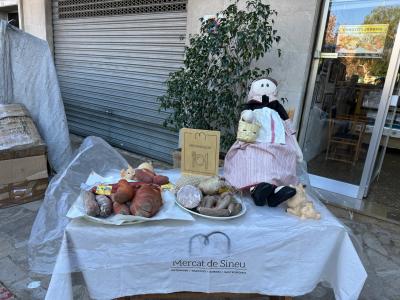
Another notable aspect of Mallorcan cuisine is its strong emphasis on flavors derived from the island's agricultural heritage. Dishes like “sobrasada,” a cured sausage made from pork, paprika, and spices, showcase the island's love for bold flavors. Additionally, “ensaimada,” a sweet pastry, highlights the influence of the island's past ties with the Moorish culture, evident in the use of ingredients like sugar and almond. In contrast to the more famous paellas of Valencia or the seafood-heavy fare of coastal Andalusia, Mallorcan dishes often feature a unique blend of the land and sea, creating a harmonious balance that is both comforting and satisfying.
Moreover, the use of local herbs and spices, such as rosemary and saffron, brings a distinct aroma and depth to Mallorcan dishes. This contrasts with other Spanish regions, where ingredients may lean more heavily on distinct regional spices or sauces. For example, the Basque Country is known for its rich sauces and seafood preparations, while Andalusia often celebrates gazpacho and other refreshing cold dishes. In Mallorca, a more subdued but equally complex flavor profile characterizes the cuisine, making it a delightful exploration for food lovers seeking something beyond the typical Spanish fare. Overall, the flavors of Mallorcan cuisine tell a story of tradition, locality, and the island’s vibrant history, making it a unique culinary destination within Spain.
Another notable aspect of Mallorcan cuisine is its strong emphasis on flavors derived from the island's agricultural heritage. Dishes like “sobrasada,” a cured sausage made from pork, paprika, and spices, showcase the island's love for bold flavors. Additionally, “ensaimada,” a sweet pastry, highlights the influence of the island's past ties with the Moorish culture, evident in the use of ingredients like sugar and almond. In contrast to the more famous paellas of Valencia or the seafood-heavy fare of coastal Andalusia, Mallorcan dishes often feature a unique blend of the land and sea, creating a harmonious balance that is both comforting and satisfying.
Moreover, the use of local herbs and spices, such as rosemary and saffron, brings a distinct aroma and depth to Mallorcan dishes. This contrasts with other Spanish regions, where ingredients may lean more heavily on distinct regional spices or sauces. For example, the Basque Country is known for its rich sauces and seafood preparations, while Andalusia often celebrates gazpacho and other refreshing cold dishes. In Mallorca, a more subdued but equally complex flavor profile characterizes the cuisine, making it a delightful exploration for food lovers seeking something beyond the typical Spanish fare. Overall, the flavors of Mallorcan cuisine tell a story of tradition, locality, and the island’s vibrant history, making it a unique culinary destination within Spain.
s'Horta
More Fotos