How do the flavors of Mallorcan cuisine differ from other Spanish regions?
Similar Topics
Mallorcan cuisine
Mediterranean flavors
fresh ingredients
traditional cooking techniques
sobrasada
ensaimada
tumbet
frit de matances
seafood
communal dining
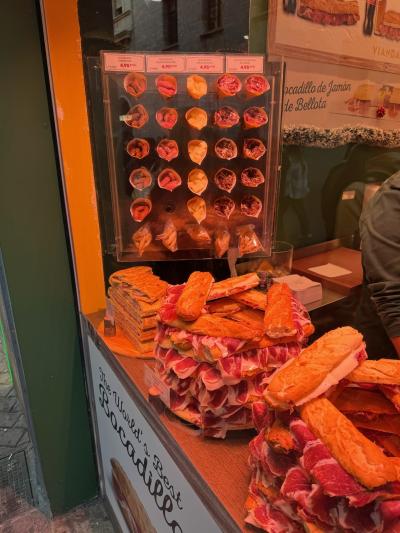
Mallorcan cuisine is a delightful blend of flavors that sets it apart from other Spanish regions, largely influenced by its Mediterranean location and agricultural heritage. The island boasts an abundance of fresh ingredients, including seafood from the surrounding waters, locally grown vegetables, and high-quality meats, particularly from free-range pigs. The use of seasonal produce is prominent, showcasing the island's commitment to fresh, sustainable cooking. In contrast to regions like Andalusia, which often features heavier spices and flavors, Mallorcan dishes tend to be more subtle, allowing the natural taste of the ingredients to shine through.
One of the defining characteristics of Mallorcan cuisine is its use of herbs and spices, with a particular emphasis on rosemary, thyme, and the unique blend known as "sobrasada," a cured sausage flavored with paprika. This gives many traditional dishes a distinct flavor profile that can be both earthy and aromatic. Additionally, the island's famous "ensaimada," a sweet pastry, reflects Mallorca's unique culinary identity, contrasting sharply with the churros or flan commonly found in other Spanish regions. The influence of Italian cuisine is also notable, especially in the use of pasta and rice dishes, which have been integrated into local culinary traditions.
Furthermore, the preparation methods in Mallorca often emphasize slow cooking and communal dining, which enhances the flavors and creates a warm, inviting atmosphere. Dishes like "tumbet," a layered vegetable dish, or "frit de matances," which features various meats and vegetables, reflect this communal spirit and are often enjoyed in a leisurely setting. Overall, the flavors of Mallorcan cuisine are characterized by a harmony of fresh ingredients, traditional cooking techniques, and an emphasis on simplicity, making it a unique experience compared to the more varied and vibrant culinary landscapes of mainland Spain.
One of the defining characteristics of Mallorcan cuisine is its use of herbs and spices, with a particular emphasis on rosemary, thyme, and the unique blend known as "sobrasada," a cured sausage flavored with paprika. This gives many traditional dishes a distinct flavor profile that can be both earthy and aromatic. Additionally, the island's famous "ensaimada," a sweet pastry, reflects Mallorca's unique culinary identity, contrasting sharply with the churros or flan commonly found in other Spanish regions. The influence of Italian cuisine is also notable, especially in the use of pasta and rice dishes, which have been integrated into local culinary traditions.
Furthermore, the preparation methods in Mallorca often emphasize slow cooking and communal dining, which enhances the flavors and creates a warm, inviting atmosphere. Dishes like "tumbet," a layered vegetable dish, or "frit de matances," which features various meats and vegetables, reflect this communal spirit and are often enjoyed in a leisurely setting. Overall, the flavors of Mallorcan cuisine are characterized by a harmony of fresh ingredients, traditional cooking techniques, and an emphasis on simplicity, making it a unique experience compared to the more varied and vibrant culinary landscapes of mainland Spain.
s'Horta
More Fotos