How has the celebration of Easter in Mallorca changed over the years?
Similar Topics
Easter Mallorca
Semana Santa Mallorca
Mallorca traditions
cultural activities Mallorca
religious processions Mallorca
Mallorca tourism
local cuisine Mallorca
Palm Sunday Mallorca
Mallorca festivals
community spirit Mallorca
The celebration of Easter in Mallorca has undergone significant transformations over the years, reflecting both the island's rich cultural heritage and the influences of modern society. Traditionally, Easter, or "Semana Santa," was marked by solemn religious processions that highlighted the deep Catholic roots of the island. These processions featured elaborate floats, known as "pasos," depicting scenes from the Passion of Christ, and were accompanied by participants in traditional robes. Over time, these events became a cornerstone of local identity, drawing both residents and visitors to witness the poignant displays of faith and community spirit.
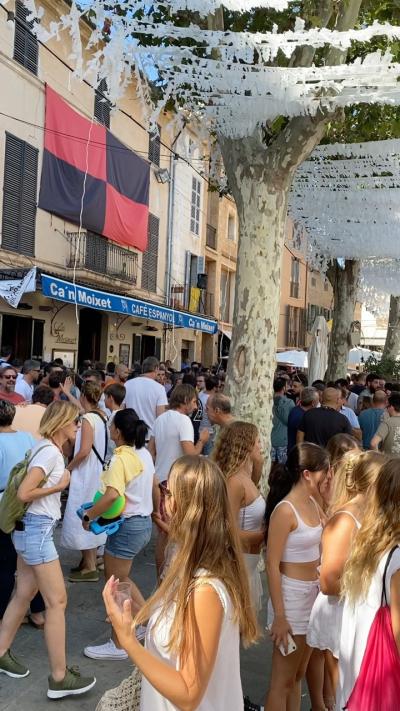
In recent years, the celebration of Easter has become more inclusive and vibrant, blending the solemnity of traditional observances with a lighter, more festive atmosphere. While the religious aspect remains central, there is now a greater emphasis on cultural activities, including concerts, art exhibitions, and culinary events that highlight local cuisine. This shift has made Easter more accessible to a broader audience, allowing people of varying backgrounds to partake in the celebrations. Additionally, tourism has played a role in this evolution, as the influx of visitors has encouraged local communities to showcase their traditions in ways that appeal to a diverse crowd.
The combination of old and new has enriched the Easter experience in Mallorca, making it a time of reflection, celebration, and community gathering. Whether attending a candlelit procession through the narrow streets of Palma or enjoying a lively local festival, visitors can witness the unique way in which the island honors its traditions while embracing contemporary influences. As Mallorca continues to evolve, so too does its celebration of Easter, ensuring that it remains a meaningful and engaging experience for all who partake.
In recent years, the celebration of Easter has become more inclusive and vibrant, blending the solemnity of traditional observances with a lighter, more festive atmosphere. While the religious aspect remains central, there is now a greater emphasis on cultural activities, including concerts, art exhibitions, and culinary events that highlight local cuisine. This shift has made Easter more accessible to a broader audience, allowing people of varying backgrounds to partake in the celebrations. Additionally, tourism has played a role in this evolution, as the influx of visitors has encouraged local communities to showcase their traditions in ways that appeal to a diverse crowd.
The combination of old and new has enriched the Easter experience in Mallorca, making it a time of reflection, celebration, and community gathering. Whether attending a candlelit procession through the narrow streets of Palma or enjoying a lively local festival, visitors can witness the unique way in which the island honors its traditions while embracing contemporary influences. As Mallorca continues to evolve, so too does its celebration of Easter, ensuring that it remains a meaningful and engaging experience for all who partake.

Cala Figuera
More Fotos