How did the agricultural practices in Mallorca evolve during the 19th century?
Similar Topics
Mallorca agriculture
19th century farming
citrus fruits Mallorca
phylloxera impact
irrigation techniques
crop rotation
modern farming practices
agricultural diversity
Mallorca rural culture
traditional farming methods
In the 19th century, agricultural practices in Mallorca underwent significant transformations that shaped the island's economy and landscape. Traditionally, Mallorcan agriculture was heavily reliant on small-scale farming, with crops such as wheat, barley, and olives dominating the scene. However, as the century progressed, the introduction of new agricultural techniques and crops began to alter this longstanding system. The arrival of the phylloxera plague in the late 19th century devastated vineyards across Europe, prompting Mallorcan farmers to explore different crops and diversify their agricultural outputs. This period saw an increased focus on the cultivation of fruits, particularly citrus fruits like oranges and lemons, which thrived in the island's Mediterranean climate.
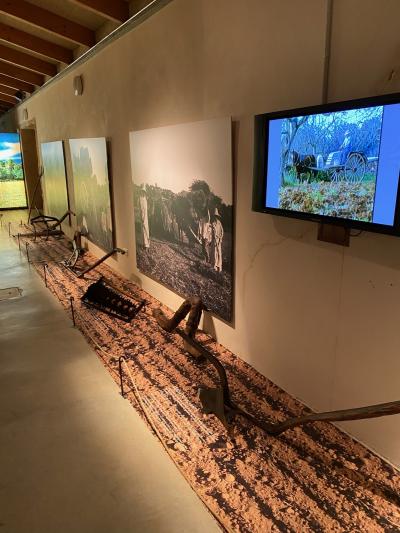
The expansion of irrigation techniques and the establishment of new farming methods also played a crucial role in this evolution. Farmers began to adopt more modern practices, including the use of fertilizers and crop rotation, which improved soil quality and increased yields. The introduction of mechanical tools during this time further enhanced productivity, allowing for more efficient cultivation of the land. Additionally, the rise of export markets for agricultural products led to a greater emphasis on quality and variety, pushing local farmers to adapt to changing consumer demands. As a result, Mallorca's agricultural landscape became more diverse, integrating new crops and farming techniques while maintaining some traditional practices.
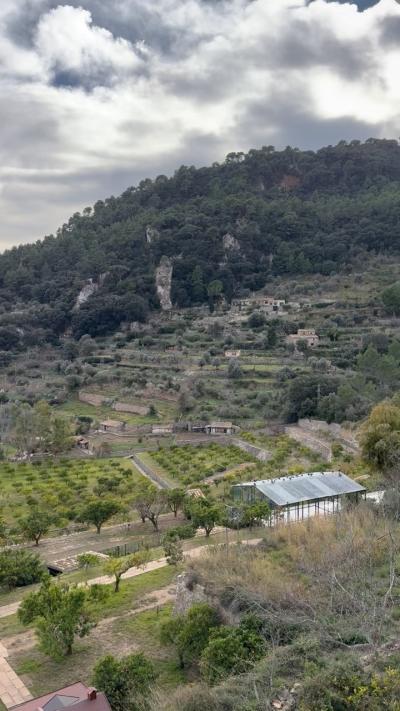
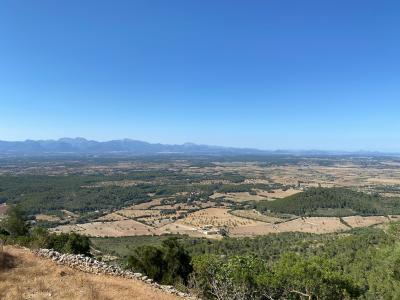
By the end of the century, these changes not only contributed to a more robust agricultural economy but also laid the groundwork for Mallorca's identity as a land of rich agricultural heritage. The island's scenic terraced fields, dotted with almond and olive trees, became a hallmark of its rural charm, attracting visitors who appreciated the blend of tradition and innovation. This evolution in agriculture also strengthened local communities, as farmers banded together to share knowledge and resources, fostering a sense of camaraderie that remains evident in Mallorca's vibrant rural culture today.
The expansion of irrigation techniques and the establishment of new farming methods also played a crucial role in this evolution. Farmers began to adopt more modern practices, including the use of fertilizers and crop rotation, which improved soil quality and increased yields. The introduction of mechanical tools during this time further enhanced productivity, allowing for more efficient cultivation of the land. Additionally, the rise of export markets for agricultural products led to a greater emphasis on quality and variety, pushing local farmers to adapt to changing consumer demands. As a result, Mallorca's agricultural landscape became more diverse, integrating new crops and farming techniques while maintaining some traditional practices.
By the end of the century, these changes not only contributed to a more robust agricultural economy but also laid the groundwork for Mallorca's identity as a land of rich agricultural heritage. The island's scenic terraced fields, dotted with almond and olive trees, became a hallmark of its rural charm, attracting visitors who appreciated the blend of tradition and innovation. This evolution in agriculture also strengthened local communities, as farmers banded together to share knowledge and resources, fostering a sense of camaraderie that remains evident in Mallorca's vibrant rural culture today.
More Fotos