How has the architecture changed throughout Mallorca's history?
Similar Topics
Mallorca architecture
Talaiotic culture
Roman villas
Moorish influence
Islamic architecture
Gothic cathedrals
La Seu
modernism in Mallorca
Joan Rubió
Mallorcan history
Mallorca's architectural evolution is a fascinating reflection of its rich history, influenced by various cultures and eras. Initially, the island showcased prehistoric structures, such as the talaiots, which were megalithic towers built by the Talaiotic culture. These ancient formations set the stage for a uniquely Mediterranean architectural style that would develop over the centuries. As the Romans arrived in the 2nd century BC, they introduced their own architectural elements, evident in the remains of villas and aqueducts scattered across the island, which laid the groundwork for the towns we see today.
During the Middle Ages, particularly under Moorish rule, Mallorca experienced a significant architectural transformation. The Moors brought intricate designs, characterized by horseshoe arches, elaborate tile work, and lush gardens, which influenced local aesthetics profoundly. The capital, Palma, became a hub of Islamic architecture, visible in structures like the old city walls and the stunning Almudaina Palace. Following the Reconquista in the 13th century, a shift occurred as Gothic architecture took precedence, leading to the construction of magnificent cathedrals, such as La Seu, which remains a landmark of the island.
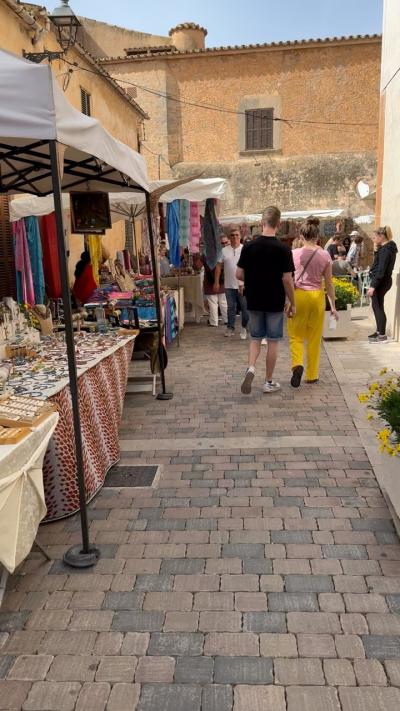
In the 19th century, the arrival of modernism brought a new wave of creativity, with architects like Joan Rubió and Emili Darder incorporating unique styles that blended traditional Mallorcan elements with contemporary influences. This period saw the emergence of grand villas and public buildings, often adorned with colorful tiles and ornate details. Today, Mallorca’s architecture is a vibrant tapestry that reflects its historical layers, with modern designs harmoniously coexisting alongside centuries-old structures. Visitors can experience this architectural diversity as they wander through charming villages, explore bustling towns, and admire the ever-present sea views that define the island's character.
During the Middle Ages, particularly under Moorish rule, Mallorca experienced a significant architectural transformation. The Moors brought intricate designs, characterized by horseshoe arches, elaborate tile work, and lush gardens, which influenced local aesthetics profoundly. The capital, Palma, became a hub of Islamic architecture, visible in structures like the old city walls and the stunning Almudaina Palace. Following the Reconquista in the 13th century, a shift occurred as Gothic architecture took precedence, leading to the construction of magnificent cathedrals, such as La Seu, which remains a landmark of the island.
In the 19th century, the arrival of modernism brought a new wave of creativity, with architects like Joan Rubió and Emili Darder incorporating unique styles that blended traditional Mallorcan elements with contemporary influences. This period saw the emergence of grand villas and public buildings, often adorned with colorful tiles and ornate details. Today, Mallorca’s architecture is a vibrant tapestry that reflects its historical layers, with modern designs harmoniously coexisting alongside centuries-old structures. Visitors can experience this architectural diversity as they wander through charming villages, explore bustling towns, and admire the ever-present sea views that define the island's character.

More Fotos