How did the local culture evolve over the centuries in Mallorca?
Similar Topics
Mallorca culture
Mallorca history
Mallorca tourism
Palma Cathedral
Moorish architecture
Roman ruins Mallorca
traditional crafts Mallorca
Mediterranean culture
Catalan traditions
Mallorca festivals
The culture of Mallorca has evolved over the centuries through a rich tapestry of influences, shaped by various civilizations that have occupied the island. Initially inhabited by prehistoric settlers, Mallorca saw the arrival of the Phoenicians around 1200 BC, who established trade routes and introduced new agricultural practices. The subsequent Roman conquest in 123 BC brought significant changes, including the development of infrastructure, urban planning, and the spread of Mediterranean culture. This period laid the groundwork for Mallorca's integration into the broader Roman Empire, leaving behind remnants that can still be seen today, such as ancient ruins and the famous amphitheater in the capital, Palma.
Following the fall of the Roman Empire, the island was subject to various invasions, including the Moors in the 8th century, who infused Mallorca with Islamic traditions, architecture, and agricultural techniques, such as the introduction of irrigation systems that transformed the landscape. This era lasted for several centuries until the Christian Reconquista in the 13th century, which re-established Christian rule and led to a blend of Gothic architecture with Moorish influences, evident in the stunning Palma Cathedral and other historical sites. The local culture continued to evolve with the influence of Catalan traditions, particularly after Mallorca became part of the Kingdom of Mallorca, which fostered a unique identity that is still celebrated today.
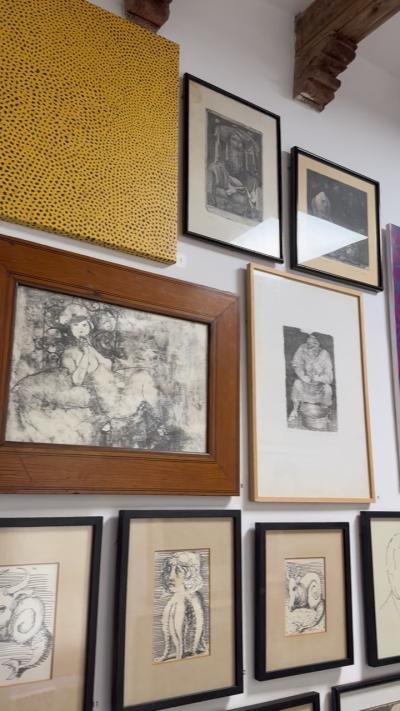
In more recent history, the 19th and 20th centuries brought about significant social and economic changes, with tourism emerging as a major industry that influenced local customs and lifestyles. While the influx of visitors brought modernization, it also led to a revival of traditional crafts, music, and festivals, as locals sought to preserve their heritage. Today, Mallorca is a vibrant mix of old and new, where traditional fairs and local cuisine coexist with contemporary art and international influences, creating a dynamic cultural landscape that continues to captivate both residents and visitors alike.
Following the fall of the Roman Empire, the island was subject to various invasions, including the Moors in the 8th century, who infused Mallorca with Islamic traditions, architecture, and agricultural techniques, such as the introduction of irrigation systems that transformed the landscape. This era lasted for several centuries until the Christian Reconquista in the 13th century, which re-established Christian rule and led to a blend of Gothic architecture with Moorish influences, evident in the stunning Palma Cathedral and other historical sites. The local culture continued to evolve with the influence of Catalan traditions, particularly after Mallorca became part of the Kingdom of Mallorca, which fostered a unique identity that is still celebrated today.
In more recent history, the 19th and 20th centuries brought about significant social and economic changes, with tourism emerging as a major industry that influenced local customs and lifestyles. While the influx of visitors brought modernization, it also led to a revival of traditional crafts, music, and festivals, as locals sought to preserve their heritage. Today, Mallorca is a vibrant mix of old and new, where traditional fairs and local cuisine coexist with contemporary art and international influences, creating a dynamic cultural landscape that continues to captivate both residents and visitors alike.
More Fotos