How has the architecture in Palma evolved over the centuries?
Similar Topics
Palma architecture
Mallorca history
Gothic structures
La Seu Cathedral
Moorish influence
Modernisme architecture
Renaissance buildings
Palma city evolution
architectural heritage
tourism in Palma
The architecture in Palma, the capital of Mallorca, is a fascinating tapestry woven from centuries of history, cultural influences, and artistic expression. Starting with the Roman period, when Palma was known as Palmaria, the city was laid out with a grid-like structure typical of Roman settlements. Remnants of this era can still be seen in the foundations of several buildings. Over time, the city evolved under Moorish influence, particularly during the 10th to 13th centuries, when intricate designs, narrow streets, and charming courtyards became characteristic of the urban landscape. This period introduced elements like horseshoe arches and decorative tilework, which still inspire local architecture today.
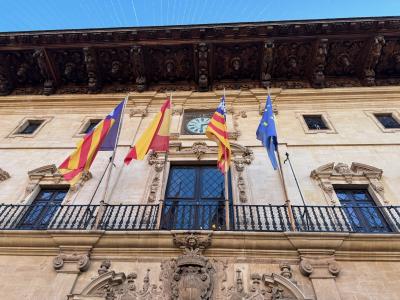
The reconquest by the Christians in the 13th century marked a significant shift in Palma’s architectural style, leading to the construction of grand Gothic structures. The most notable example is the magnificent La Seu Cathedral, which showcases the transition from Romanesque to Gothic design. Its towering spires and intricate facade are emblematic of Palma's medieval glory. As the Renaissance and Baroque periods unfolded, new styles emerged, blending the ornate details of these movements with local traditions. The result is a unique architectural heritage that includes both palatial homes and public buildings adorned with vibrant colors and elaborate decorations.
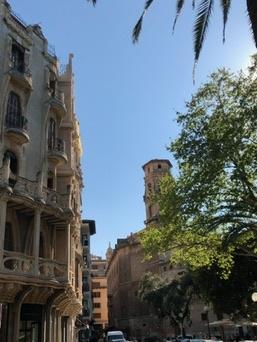
In the 19th and early 20th centuries, Palma experienced a surge of modernization, influenced by European architectural trends. This era saw the introduction of Modernisme, similar to Catalan Art Nouveau, which can be seen in structures like the Grand Hotel and the stunning Casa de la Vila. These buildings often feature organic forms and intricate mosaics, blending functionality with artistic flair. Today, Palma continues to embrace its architectural diversity, harmonizing historical preservation with contemporary developments, making it a captivating destination for travelers interested in exploring how history and modernity coexist. A stroll through the city reveals layers of stories told through its buildings, inviting visitors to appreciate the evolution of Palma’s architectural landscape.
The reconquest by the Christians in the 13th century marked a significant shift in Palma’s architectural style, leading to the construction of grand Gothic structures. The most notable example is the magnificent La Seu Cathedral, which showcases the transition from Romanesque to Gothic design. Its towering spires and intricate facade are emblematic of Palma's medieval glory. As the Renaissance and Baroque periods unfolded, new styles emerged, blending the ornate details of these movements with local traditions. The result is a unique architectural heritage that includes both palatial homes and public buildings adorned with vibrant colors and elaborate decorations.
In the 19th and early 20th centuries, Palma experienced a surge of modernization, influenced by European architectural trends. This era saw the introduction of Modernisme, similar to Catalan Art Nouveau, which can be seen in structures like the Grand Hotel and the stunning Casa de la Vila. These buildings often feature organic forms and intricate mosaics, blending functionality with artistic flair. Today, Palma continues to embrace its architectural diversity, harmonizing historical preservation with contemporary developments, making it a captivating destination for travelers interested in exploring how history and modernity coexist. A stroll through the city reveals layers of stories told through its buildings, inviting visitors to appreciate the evolution of Palma’s architectural landscape.
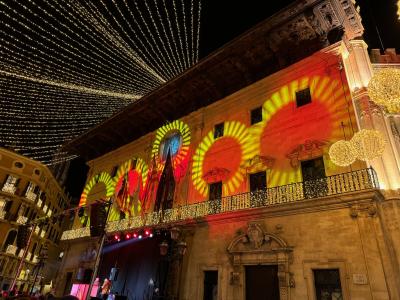
Palma
More Fotos