How has the architecture along Passeig des Born evolved over the years?
Similar Topics
Passeig des Born
Palma Mallorca
architectural evolution
19th century architecture
neoclassical style
Art Deco
Modernisme
Mallorcan architecture
historic buildings
Palma history
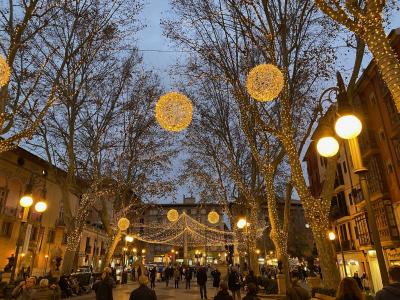
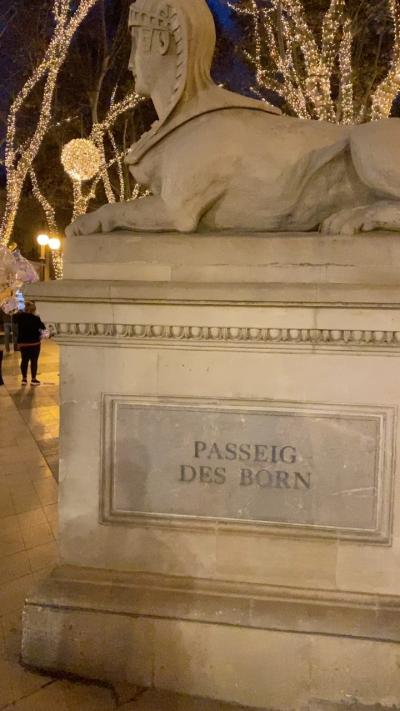
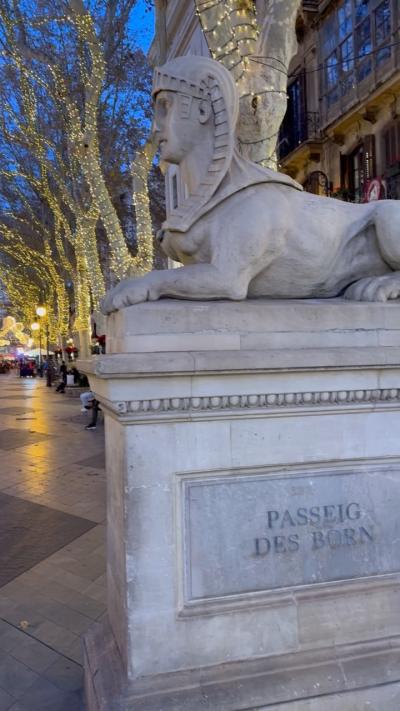
Passeig des Born, located in the heart of Palma, Mallorca, is not only a vibrant social hub but also a fascinating showcase of architectural evolution. Originally, this elegant boulevard was designed in the 19th century as a promenade, reflecting the neoclassical style that was popular at the time. The architecture along the Passeig des Born features a blend of grand historic buildings with ornate facades, which are adorned with intricate details and balustrades, creating an inviting atmosphere for both locals and visitors. These structures served as a testament to the wealth and influence of Palma during that era.
As the years progressed, the architectural styles began to shift, reflecting broader trends and the island’s unique cultural influences. In the 20th century, Art Deco and Modernisme styles made their mark, introducing bolder lines and geometric shapes. Some buildings from this period stand out with their decorative tiles and colorful accents, showcasing the creativity of local architects who sought to blend traditional Mallorcan elements with modern design principles. This evolution continued into the late 20th and early 21st centuries, as new constructions began to emerge, incorporating contemporary materials and sustainable practices while respecting the historical context of the area.
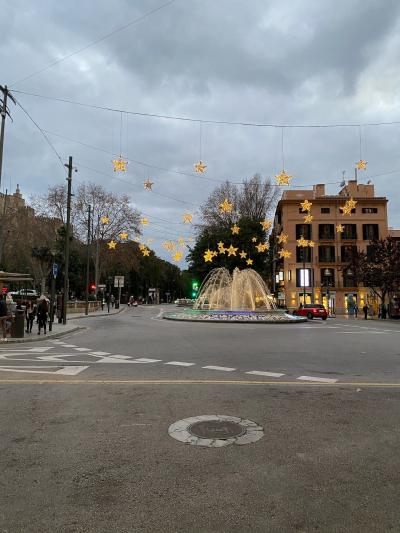
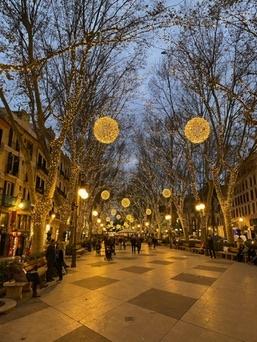
Today, Passeig des Born is a harmonious mix of old and new, where you can stroll past historic cafés and boutiques housed in beautifully restored buildings, alongside modern establishments that add a fresh vibrancy to the boulevard. This blend creates a picturesque setting that tells the story of Palma's architectural journey over time. As you walk along this iconic promenade, you can truly appreciate how each structure, whether centuries old or newly built, contributes to the rich tapestry of the city's identity, making it a delightful destination for anyone interested in architecture and history.
As the years progressed, the architectural styles began to shift, reflecting broader trends and the island’s unique cultural influences. In the 20th century, Art Deco and Modernisme styles made their mark, introducing bolder lines and geometric shapes. Some buildings from this period stand out with their decorative tiles and colorful accents, showcasing the creativity of local architects who sought to blend traditional Mallorcan elements with modern design principles. This evolution continued into the late 20th and early 21st centuries, as new constructions began to emerge, incorporating contemporary materials and sustainable practices while respecting the historical context of the area.
Today, Passeig des Born is a harmonious mix of old and new, where you can stroll past historic cafés and boutiques housed in beautifully restored buildings, alongside modern establishments that add a fresh vibrancy to the boulevard. This blend creates a picturesque setting that tells the story of Palma's architectural journey over time. As you walk along this iconic promenade, you can truly appreciate how each structure, whether centuries old or newly built, contributes to the rich tapestry of the city's identity, making it a delightful destination for anyone interested in architecture and history.
More Fotos