How has the architecture in Plaça Cort evolved over the years?
Similar Topics
Plaça Cort
Palma Mallorca
architectural evolution
Gothic architecture
17th-century Town Hall
Renaissance style
neoclassical influences
Mallorca history
cultural influences
urban landscape
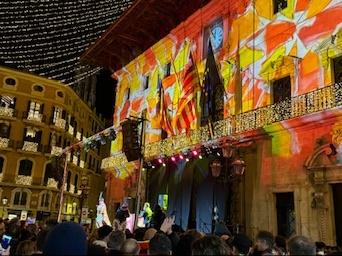
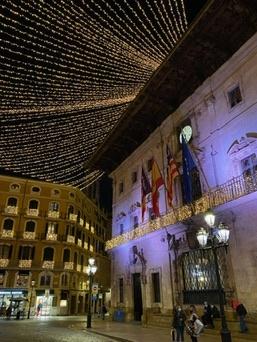
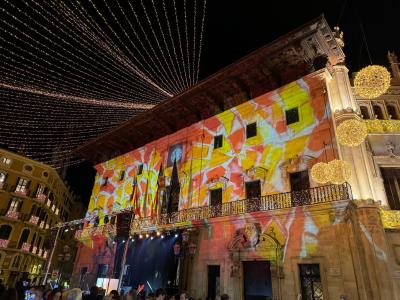
Plaça Cort, located in the heart of Palma, Mallorca, has undergone a fascinating evolution in its architectural style over the years, reflecting the city’s rich history and cultural influences. Originally, this square served as a central gathering place during the medieval period, and the architecture from that era is evident in the surrounding buildings, featuring Gothic elements and traditional stone façades. The most notable structure is the impressive 17th-century Town Hall, or "Ajuntament," characterized by its elegant arches and baroque details, which showcases the wealth and authority of the local government during that time.
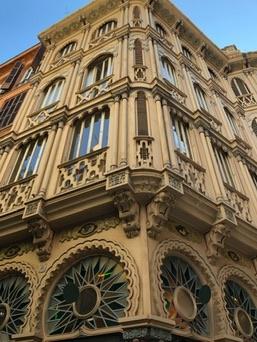
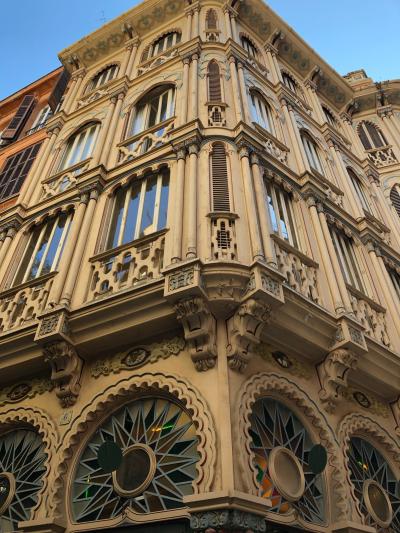
As the years progressed, Plaça Cort began to incorporate elements of the Renaissance and later styles, mirroring broader European architectural trends. The square has seen various renovations and additions, particularly in the 19th and 20th centuries, when neoclassical influences became more pronounced. This period brought about the construction of several charming townhouses, adorned with ornate balconies and colorful tiles that add to the square's vibrant atmosphere. The introduction of modern elements, while still respecting the historical context, has made Plaça Cort a blend of old and new, where visitors can appreciate its layered history.
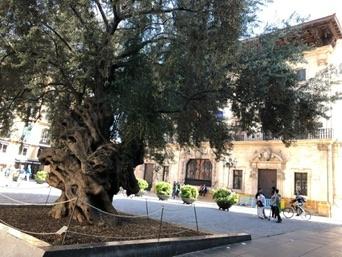
Today, the architecture in Plaça Cort serves as a reflection of Mallorca's diverse cultural influences, from its Moorish past to the impact of European styles over centuries. The square remains a lively hub, attracting both locals and tourists who gather to enjoy its picturesque surroundings, cafés, and the iconic olive tree that stands as a symbol of peace and endurance. The careful preservation and thoughtful integration of new design elements have ensured that Plaça Cort retains its charm while continuing to evolve as a vital part of Palma's urban landscape.
As the years progressed, Plaça Cort began to incorporate elements of the Renaissance and later styles, mirroring broader European architectural trends. The square has seen various renovations and additions, particularly in the 19th and 20th centuries, when neoclassical influences became more pronounced. This period brought about the construction of several charming townhouses, adorned with ornate balconies and colorful tiles that add to the square's vibrant atmosphere. The introduction of modern elements, while still respecting the historical context, has made Plaça Cort a blend of old and new, where visitors can appreciate its layered history.
Today, the architecture in Plaça Cort serves as a reflection of Mallorca's diverse cultural influences, from its Moorish past to the impact of European styles over centuries. The square remains a lively hub, attracting both locals and tourists who gather to enjoy its picturesque surroundings, cafés, and the iconic olive tree that stands as a symbol of peace and endurance. The careful preservation and thoughtful integration of new design elements have ensured that Plaça Cort retains its charm while continuing to evolve as a vital part of Palma's urban landscape.
Palma
More Fotos