What other architectural styles can I find in Palma?
Similar Topics
Palma architecture
Gothic Cathedral Santa Maria
Renaissance architecture Palma
Baroque style churches
Modernisme architecture
Joan Rubió designs
Art Deco Palma
Es Baluard Museum
historical buildings Palma
Palma cultural influences
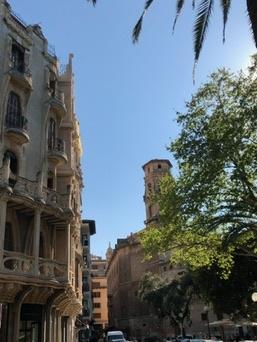
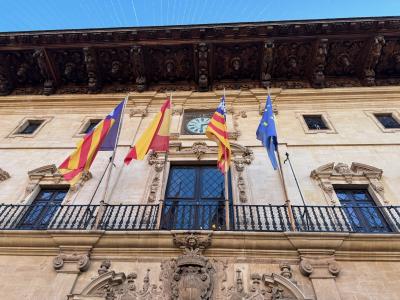
Palma, the vibrant capital of Mallorca, is a treasure trove of architectural styles that reflect its rich history and cultural influences. While the majestic Gothic Cathedral of Santa Maria, known as La Seu, is perhaps the most iconic structure in the city, you'll find a delightful mix of styles throughout Palma. The city's medieval layout, with its narrow streets and charming squares, showcases a blend of Gothic and Renaissance elements, particularly in the historic buildings that line the old town. The intricate stonework and pointed arches of the Gothic period can be seen in various churches and palaces, offering a glimpse into the artistry of that era.
As you wander further, you'll encounter the Baroque style, evident in the ornate facades and grand interiors of several churches, such as the Church of Santa Eulàlia. This period is characterized by dramatic decorations and a sense of grandeur that captures the eye. Additionally, the influence of Modernisme, a movement that flourished in the late 19th and early 20th centuries, is present in the works of local architect Joan Rubió. His designs often incorporate vibrant colors and organic forms, adding a unique flair to Palma's architectural landscape.
Moreover, the 20th century brought about a mix of styles, including Art Deco and contemporary designs that contrast beautifully with the older buildings. You'll find modern structures alongside historical ones, like the striking Es Baluard Museum of Modern and Contemporary Art, which harmoniously blends the old fortifications of the city with sleek, modern lines. As you explore Palma, each turn reveals a new layer of architectural splendor, making the city not just a feast for the eyes but also a fascinating journey through time and style.
As you wander further, you'll encounter the Baroque style, evident in the ornate facades and grand interiors of several churches, such as the Church of Santa Eulàlia. This period is characterized by dramatic decorations and a sense of grandeur that captures the eye. Additionally, the influence of Modernisme, a movement that flourished in the late 19th and early 20th centuries, is present in the works of local architect Joan Rubió. His designs often incorporate vibrant colors and organic forms, adding a unique flair to Palma's architectural landscape.
Moreover, the 20th century brought about a mix of styles, including Art Deco and contemporary designs that contrast beautifully with the older buildings. You'll find modern structures alongside historical ones, like the striking Es Baluard Museum of Modern and Contemporary Art, which harmoniously blends the old fortifications of the city with sleek, modern lines. As you explore Palma, each turn reveals a new layer of architectural splendor, making the city not just a feast for the eyes but also a fascinating journey through time and style.
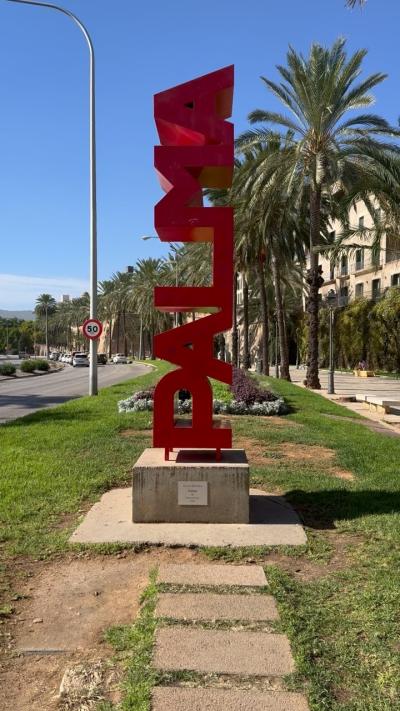
Palma
More Fotos