What are some interesting facts about the architecture in Poble Espanyol?
Similar Topics
Poble Espanyol
Barcelona architecture
Spanish cultural heritage
open-air museum
Gothic architecture
Renaissance influences
Moorish design
traditional Spanish craftsmanship
art and culture events
architectural diversity Spain
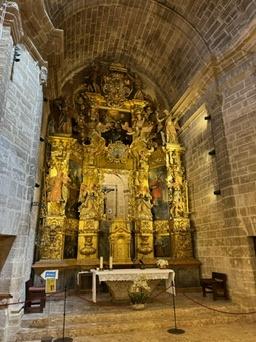
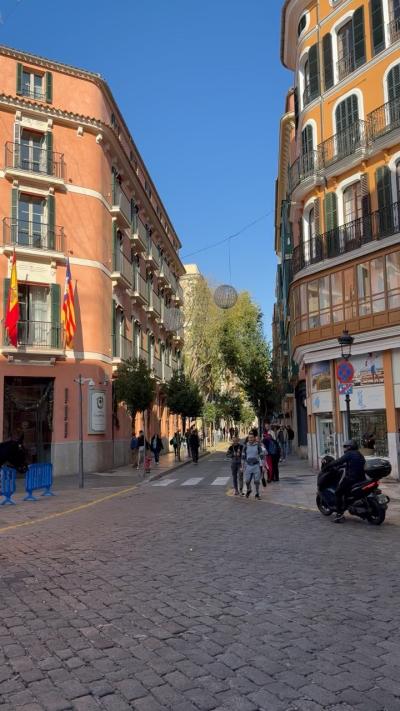
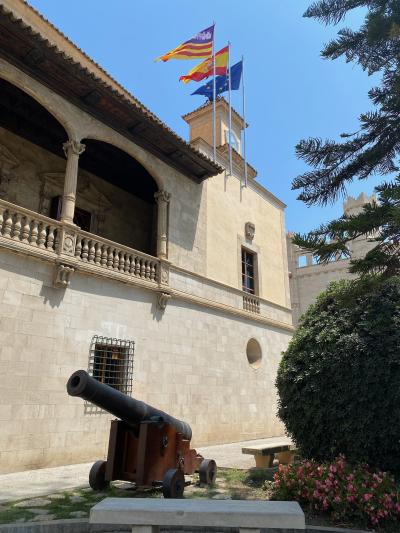
Poble Espanyol, located in Barcelona, is a remarkable open-air museum that showcases the diverse architectural styles found throughout Spain. Built for the 1929 International Exhibition, this unique space was designed to represent various regions of the country, allowing visitors to experience a miniaturized version of Spain's rich cultural heritage. The architecture within Poble Espanyol features a blend of Gothic, Renaissance, and Moorish influences, reflecting the historical evolution of Spanish design. You’ll find charming streets lined with over 100 buildings, each meticulously crafted to represent the distinct characteristics of different provinces, from the whitewashed houses of Andalusia to the traditional stone structures of Catalonia.
One interesting aspect of Poble Espanyol is that it was not just an exhibition space but also a testament to the craftsmanship of Spanish artisans. Many of the buildings were constructed using traditional techniques, and the artisans who worked on them aimed to preserve the regional styles and craftsmanship that might otherwise be lost. This dedication to authenticity is evident throughout the site, where every detail, from the intricate tile work to the ornate wooden doors, tells a story of Spain's architectural history. Additionally, Poble Espanyol serves as a living space for artists and craftspeople, with workshops and studios that allow visitors to see traditional crafts being made and even participate in some workshops themselves.
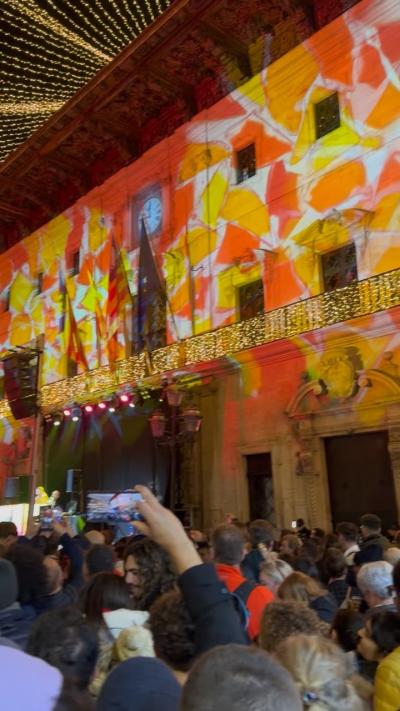
As you stroll through its charming alleys and squares, you'll also notice how Poble Espanyol seamlessly blends architecture with art and culture. The site hosts various cultural events, including concerts and exhibitions, which further enrich the experience of visiting. The ambiance is particularly enchanting in the evenings when the buildings are illuminated, creating a magical atmosphere that highlights their architectural beauty. Overall, Poble Espanyol stands as a vibrant tribute to Spain's architectural diversity and cultural heritage, making it a must-visit for anyone interested in the country's rich history.
One interesting aspect of Poble Espanyol is that it was not just an exhibition space but also a testament to the craftsmanship of Spanish artisans. Many of the buildings were constructed using traditional techniques, and the artisans who worked on them aimed to preserve the regional styles and craftsmanship that might otherwise be lost. This dedication to authenticity is evident throughout the site, where every detail, from the intricate tile work to the ornate wooden doors, tells a story of Spain's architectural history. Additionally, Poble Espanyol serves as a living space for artists and craftspeople, with workshops and studios that allow visitors to see traditional crafts being made and even participate in some workshops themselves.
As you stroll through its charming alleys and squares, you'll also notice how Poble Espanyol seamlessly blends architecture with art and culture. The site hosts various cultural events, including concerts and exhibitions, which further enrich the experience of visiting. The ambiance is particularly enchanting in the evenings when the buildings are illuminated, creating a magical atmosphere that highlights their architectural beauty. Overall, Poble Espanyol stands as a vibrant tribute to Spain's architectural diversity and cultural heritage, making it a must-visit for anyone interested in the country's rich history.

Port de Sóller
More Fotos