What role did the geography of Mallorca play in the pirate invasions?
Similar Topics
Mallorca geography
pirate invasions
Mediterranean history
rugged coastline
natural harbors
Serra de Tramuntana
coastal towns
watchtowers
fortifications
historic sites
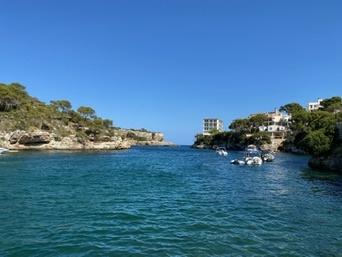
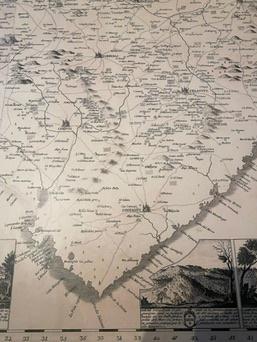
Mallorca’s geography played a significant role in shaping its history, particularly during the era of pirate invasions, which were frequent in the Mediterranean from the 16th to the 18th centuries. The island is characterized by its rugged coastline, with numerous coves and inlets that provided natural harbors for both pirates and local defenders. These sheltered bays allowed pirate ships to anchor discreetly, making surprise attacks on coastal towns easier. The strategic position of Mallorca also meant that it served as a waypoint for pirates traveling between North Africa and the European mainland, further heightening the island's vulnerability to raids.
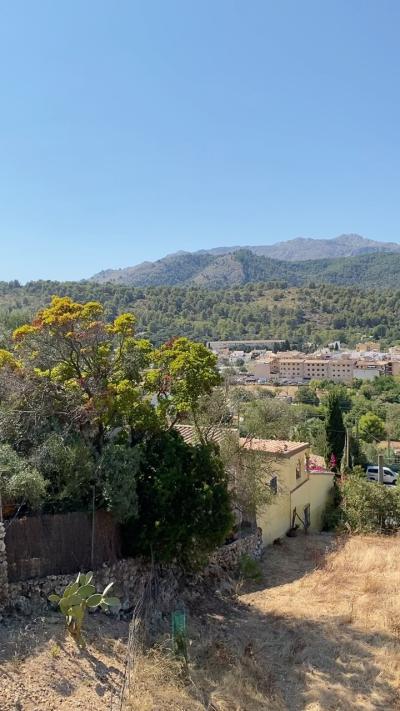
The island's mountainous terrain, particularly the Serra de Tramuntana range, offered a natural barrier that could be exploited by local inhabitants seeking refuge from attacks. Villages nestled in these mountains could observe approaching ships from afar, giving residents a chance to prepare for defense. Additionally, the difficulty of traversing the interior of the island meant that pirates often found it less appealing to venture beyond the coastline, allowing fortified towns like Palma to develop robust defenses. This geography encouraged a culture of vigilance and resilience among the locals, who built watchtowers along the coast and fortified their towns to deter pirate incursions.
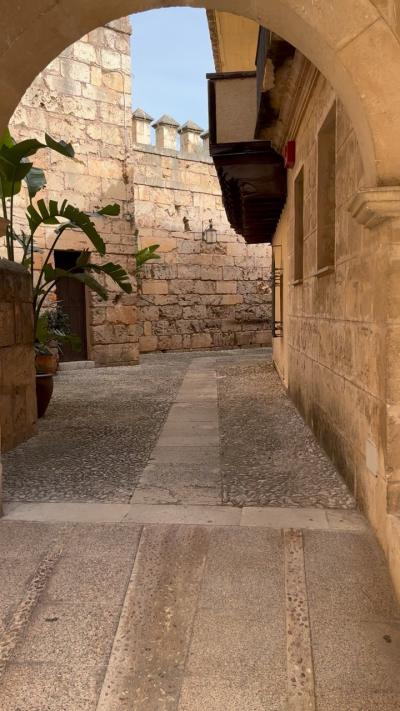
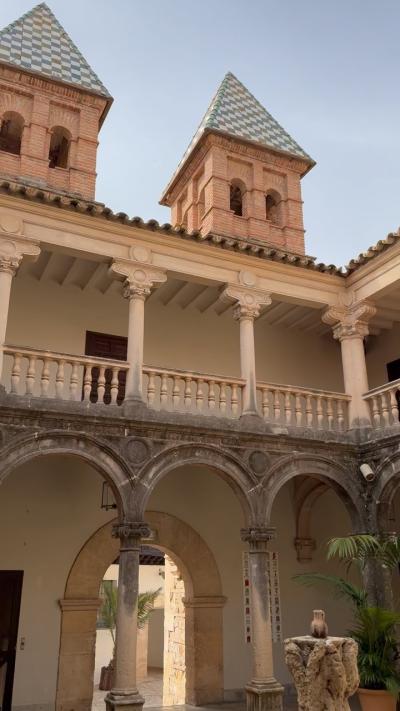
As a result of this complex interplay between geography and human activity, Mallorca became a focal point of conflict, but it also cultivated a rich tapestry of history and culture. The remnants of the fortifications and watchtowers still dot the landscape today, offering visitors a glimpse into the island’s storied past. Exploring these historic sites not only enriches one’s understanding of the challenges faced by the islanders but also showcases the stunning natural beauty that has both protected and threatened Mallorca throughout the centuries.
The island's mountainous terrain, particularly the Serra de Tramuntana range, offered a natural barrier that could be exploited by local inhabitants seeking refuge from attacks. Villages nestled in these mountains could observe approaching ships from afar, giving residents a chance to prepare for defense. Additionally, the difficulty of traversing the interior of the island meant that pirates often found it less appealing to venture beyond the coastline, allowing fortified towns like Palma to develop robust defenses. This geography encouraged a culture of vigilance and resilience among the locals, who built watchtowers along the coast and fortified their towns to deter pirate incursions.
As a result of this complex interplay between geography and human activity, Mallorca became a focal point of conflict, but it also cultivated a rich tapestry of history and culture. The remnants of the fortifications and watchtowers still dot the landscape today, offering visitors a glimpse into the island’s storied past. Exploring these historic sites not only enriches one’s understanding of the challenges faced by the islanders but also showcases the stunning natural beauty that has both protected and threatened Mallorca throughout the centuries.
Sa Fonts Seca
More Fotos