What significant historical events have shaped Alcudia over the centuries?
Similar Topics
Alcudia history
Mallorca tourism
Roman architecture Alcudia
Medieval Alcudia
Moorish influence Mallorca
Alcudia beaches
historic Alcudia
cobblestone streets Alcudia
Alcudia local culture
Alcudia agriculture
Alcudia, a charming town located on the northern coast of Mallorca, has a rich tapestry of history that has shaped its identity over the centuries. Originally settled by the Romans in 123 BC, it was known as Pollentia and served as an important urban center and trading port. The remnants of Roman architecture, including the ruins of a theater and several house foundations, offer visitors a glimpse into this ancient era. The strategic location of Pollentia made it a focal point for trade in the Mediterranean, leading to its growth and prosperity during Roman times.
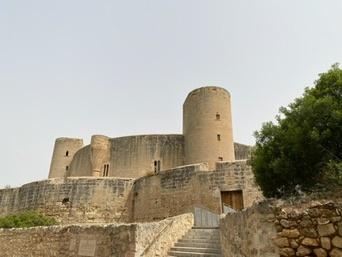
Throughout the Middle Ages, Alcudia experienced significant transformations as various cultures left their mark on the town. After the fall of the Roman Empire, the Moors invaded and occupied the region from the 8th to the 13th century. This period not only influenced the architecture, with the construction of fortified walls and the layout of the town but also enriched the local culture, language, and agricultural practices. The reconquest by King James I of Aragon in 1229 marked the beginning of Christian rule, and the town was fortified further to protect against potential invasions. The medieval walls and the charming old town, with its narrow streets and historic buildings, are testaments to this rich blend of influences.
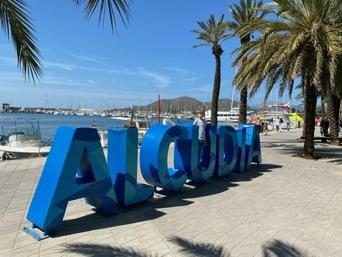
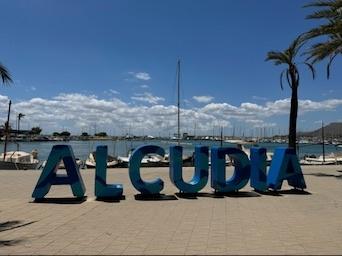
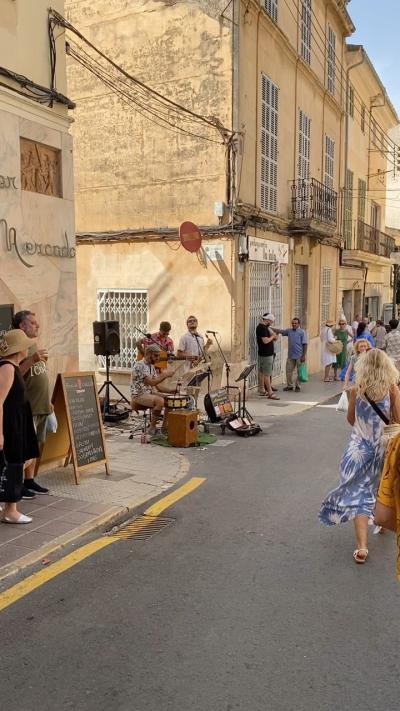
In the centuries that followed, Alcudia continued to evolve, facing various challenges, including pirate attacks and economic shifts. The 18th and 19th centuries saw agricultural development, particularly in the cultivation of crops like almonds and olives, which were vital to the local economy. With the rise of tourism in the 20th century, Alcudia transformed again, becoming a popular destination for visitors seeking the beauty of its beaches and a taste of its historical heritage. Today, as you stroll through its cobblestone streets, you can feel the weight of history while enjoying the vibrant local culture, making Alcudia a perfect blend of past and present.
Throughout the Middle Ages, Alcudia experienced significant transformations as various cultures left their mark on the town. After the fall of the Roman Empire, the Moors invaded and occupied the region from the 8th to the 13th century. This period not only influenced the architecture, with the construction of fortified walls and the layout of the town but also enriched the local culture, language, and agricultural practices. The reconquest by King James I of Aragon in 1229 marked the beginning of Christian rule, and the town was fortified further to protect against potential invasions. The medieval walls and the charming old town, with its narrow streets and historic buildings, are testaments to this rich blend of influences.
In the centuries that followed, Alcudia continued to evolve, facing various challenges, including pirate attacks and economic shifts. The 18th and 19th centuries saw agricultural development, particularly in the cultivation of crops like almonds and olives, which were vital to the local economy. With the rise of tourism in the 20th century, Alcudia transformed again, becoming a popular destination for visitors seeking the beauty of its beaches and a taste of its historical heritage. Today, as you stroll through its cobblestone streets, you can feel the weight of history while enjoying the vibrant local culture, making Alcudia a perfect blend of past and present.

Alcanada
More Fotos