What historical events shaped the town of Manacor?
Similar Topics
Manacor history
Mallorca culture
Talaiotic period
Moorish influence
reconquest of Mallorca
artisanal production
pearl industry
Spanish Civil War
historical buildings
Mallorca tourism
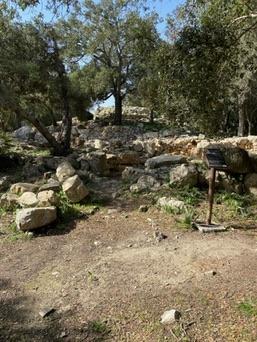
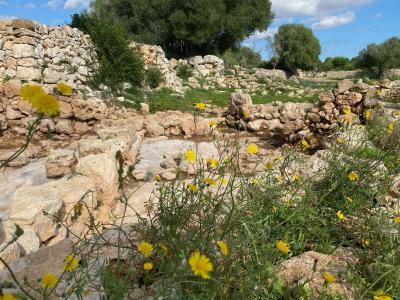
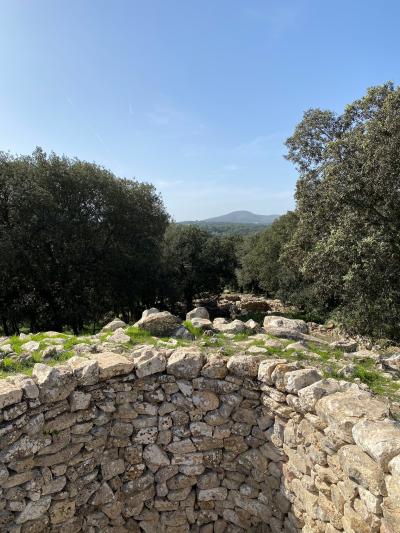
Manacor, a charming town located on the eastern side of the island of Mallorca, has a rich tapestry of history that has shaped its culture and identity over the centuries. Its origins can be traced back to the Talaiotic period, with archaeological evidence indicating settlements that date as far back as the Bronze Age. The town’s name itself is believed to derive from the Arabic "Mannar," which reflects the significant influence of the Moors during the medieval period. The Moors ruled over Mallorca for several centuries, and their agricultural practices, architecture, and irrigation techniques had a lasting impact on the local economy and landscape, fostering a culture of agriculture that still thrives today.
The reconquest of Mallorca in the 13th century by King Jaume I marked another pivotal moment in Manacor's history. This event led to the establishment of Christian rule and the subsequent repopulation of the area. The town flourished in the following centuries, becoming known for its vibrant artisanal production, particularly in the creation of furniture and ceramics. Manacor also gained prominence for its pearl industry, which began in the late 19th century when local artisans developed a method for producing imitation pearls that gained international acclaim. This craft became a significant part of the town's economic identity, drawing artisans and merchants from across the region.
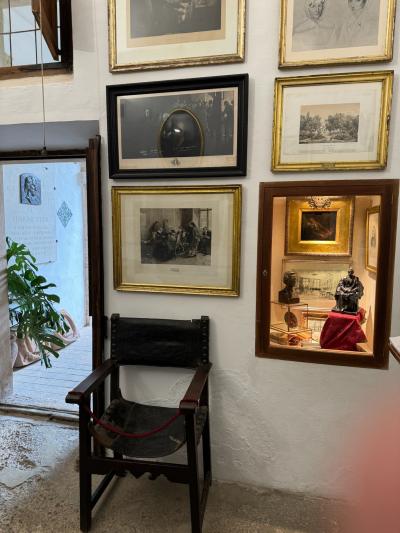
In the 20th century, Manacor witnessed significant social and economic changes, especially during and after the Spanish Civil War. The war left a profound impact on the community, shaping the political and social landscape of the town. Despite these challenges, Manacor has been resilient, evolving into a modern town while preserving its historical roots. Today, visitors can explore its rich past through well-preserved buildings, local museums, and the vibrant markets that showcase traditional crafts. The town’s historical layers, from its ancient Talaiotic origins to its Moorish influences and its modern-day charm, create a captivating atmosphere that invites exploration and appreciation.
The reconquest of Mallorca in the 13th century by King Jaume I marked another pivotal moment in Manacor's history. This event led to the establishment of Christian rule and the subsequent repopulation of the area. The town flourished in the following centuries, becoming known for its vibrant artisanal production, particularly in the creation of furniture and ceramics. Manacor also gained prominence for its pearl industry, which began in the late 19th century when local artisans developed a method for producing imitation pearls that gained international acclaim. This craft became a significant part of the town's economic identity, drawing artisans and merchants from across the region.
In the 20th century, Manacor witnessed significant social and economic changes, especially during and after the Spanish Civil War. The war left a profound impact on the community, shaping the political and social landscape of the town. Despite these challenges, Manacor has been resilient, evolving into a modern town while preserving its historical roots. Today, visitors can explore its rich past through well-preserved buildings, local museums, and the vibrant markets that showcase traditional crafts. The town’s historical layers, from its ancient Talaiotic origins to its Moorish influences and its modern-day charm, create a captivating atmosphere that invites exploration and appreciation.

Cales de Mallorca
More Fotos